Everything changed on October 18, 2025, when the California Labor Commission Office issued citations to three major carriers alleging driver misclassification under the AB5 rule and other labor law violations.
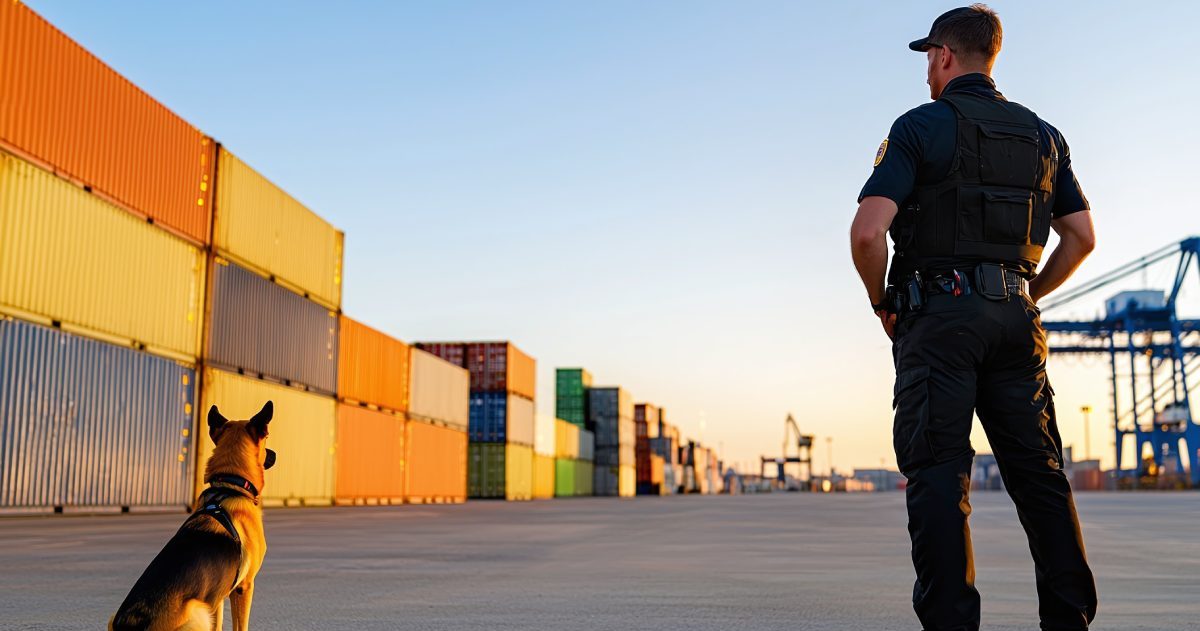
There are three types of exams you could encounter when going through the U.S. Customs process at the ports of Los Angeles and Long Beach.
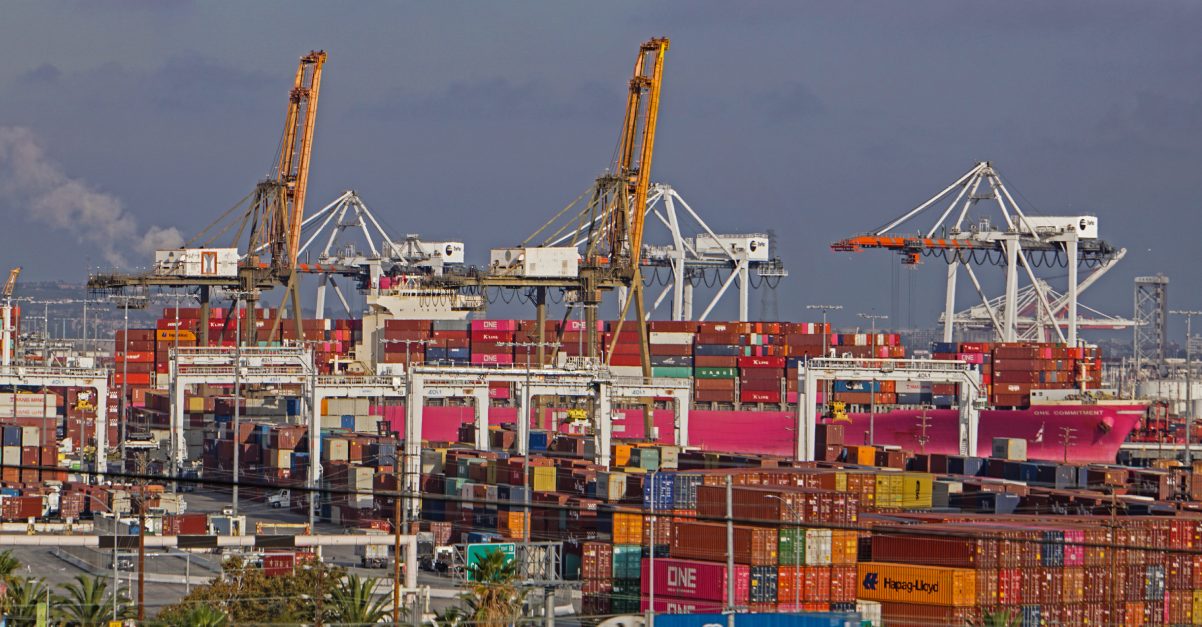
This guide will take you through the steps to track cargo through the ports of LA and Long Beach, from free tools to system-level connections that provide purchase-order visibility instead of guessing container numbers.

How cloud systems improve collaboration, centralize documentation, speed up decision-making, and support complex supply chain moves across drayage, warehouse, and inland networks.
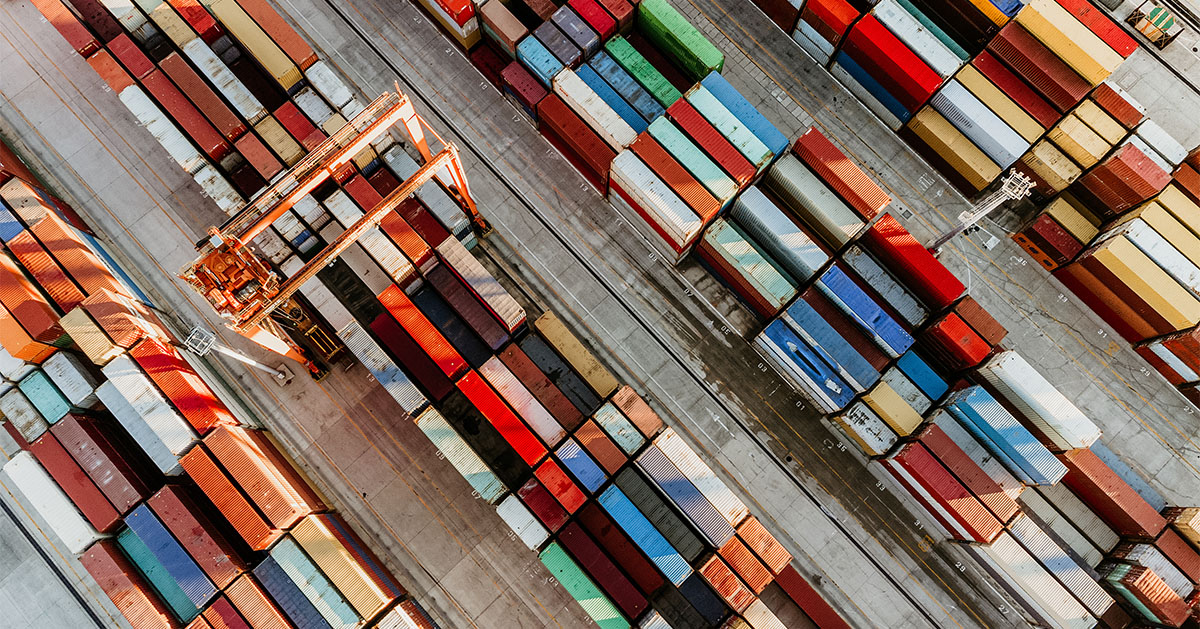
Barcode scans at receiving, yard sensors, and status feeds from the warehouse management system have turned a blind stretch into a timeline you can actually see.
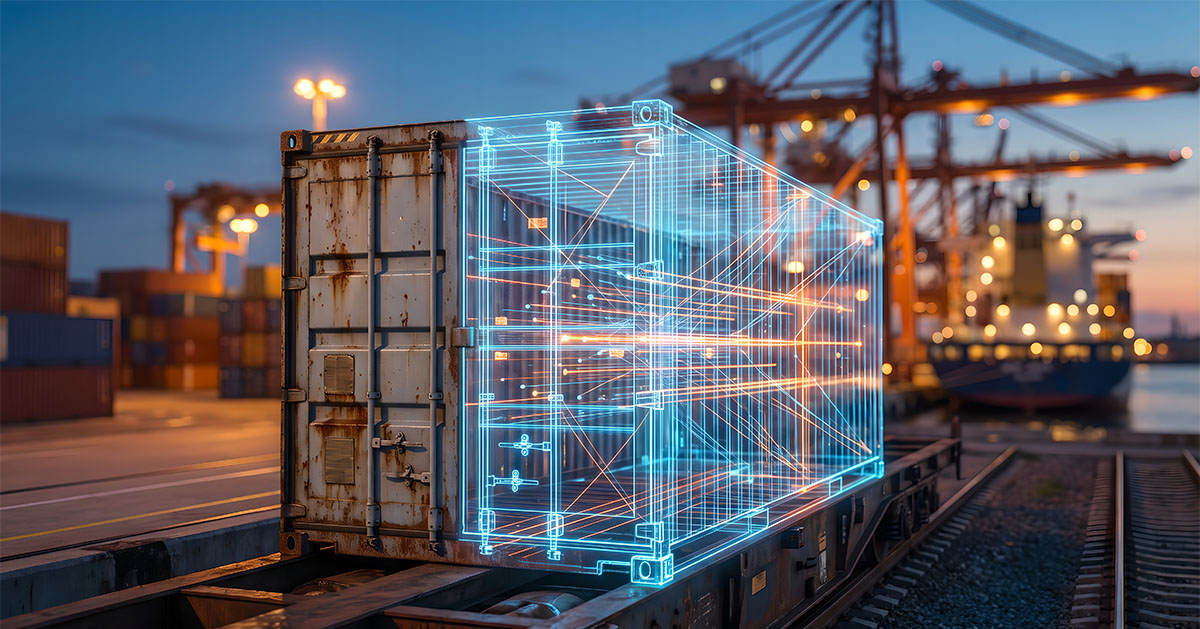
The technology that is remaking port operations is already changing how quickly a box clears the gate and how accurately it is located in the yard.

The technology coming into drayage operations today may not be glamorous, but it is helping fill gaps that have cost shippers time and money for years.
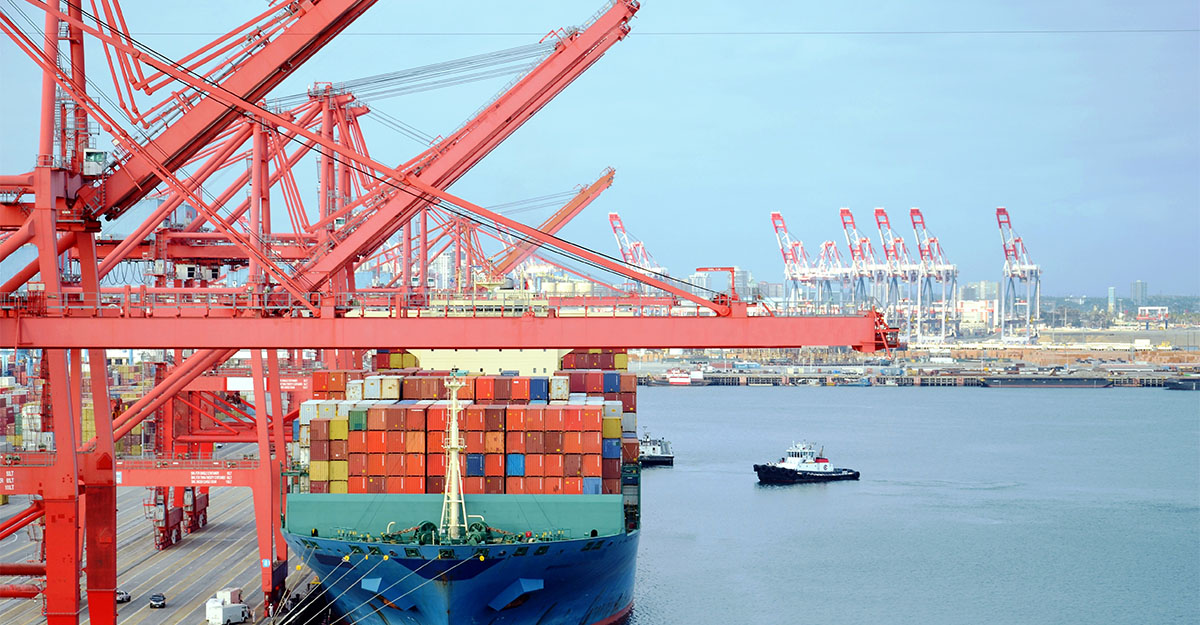
If volumes are going to spike ahead of a tariff deadline, shippers need trucking capacity that can scale without scrambling for trucks at already inflated spot rates.

If inland planning is done only after the cargo clears the port, flexibility is lost, and small coordination gaps between the dock and destination compound into missed delivery windows.

Port delays compound freight cost. And the fix requires proactive coordination and supply chain visibility at every touchpoint, from port to door.
2999 East Pacific Commerce Drive Rancho Dominguez, California 90221
Oakland, CA


