


Ongoing industry issues fueled Fred Johring and other trucking executives to form what is now the Harbor Trucking Association in 2007. The goal was to amplify the voice of the trucking industry with ports, terminals, steamship lines, politicians, and the FMC.
As the years passed, the voice became more and more audible, with the HTA supporting “best practices” in the industry, and promoting collaboration with ports, terminals, and others. Multiple meetings with the organization’s stakeholders keep current issues in the forefront.


“Our experience with GSL has been outstanding and can always be counted on to get the job done. GSL sits well above most service providers, as they have a multitude of services they can provide, and have become a one stop shop for us in most cases. Aside from the very knowledgeable front-line teams handling the day to day, their leadership also is always accessible and prompt to address any opportunities and other special requests when called upon. I would 100% recommend GSL!”

“GSL has provided a great service to us. Their organization has a nice ‘customer service-oriented feel.’ This is felt from the office staff to the drivers. They have shown flexibility, informed us of potential industry challenges, helped us navigate through unplanned bumps in the road, and saved us quite a bit of money. We appreciate the partnership with GSL and look forward to working together in the future!”

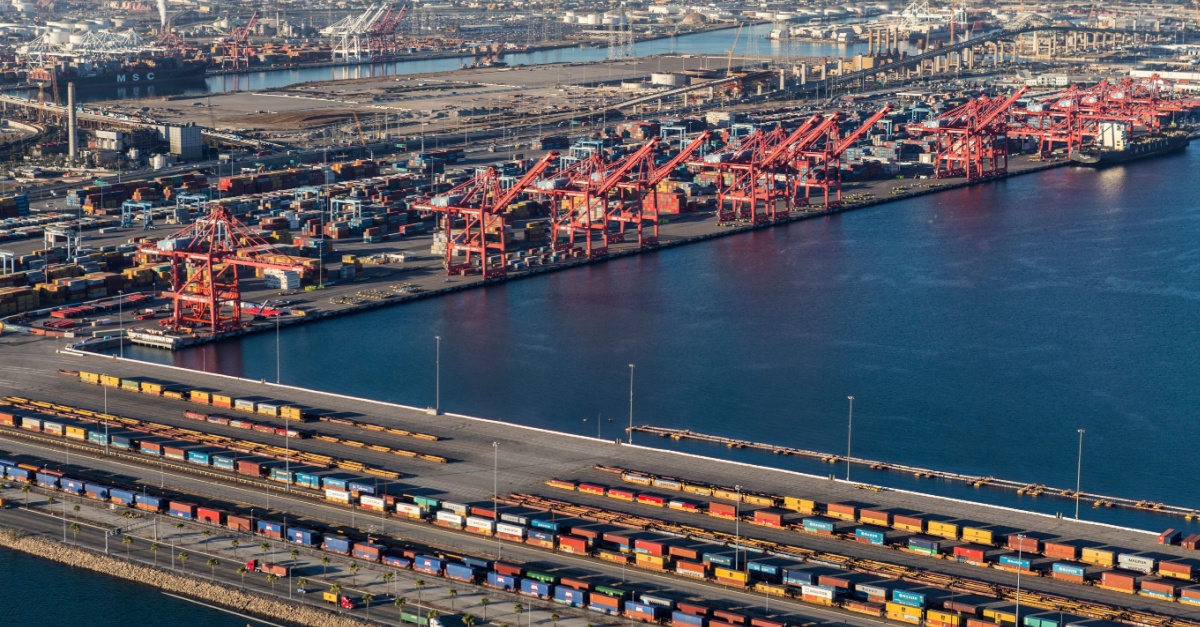
For shippers operating in Long Beach and Los Angeles, it is not uncommon to see short-term delays create ripple effects that amount to long-term disruptions across the supply chain.

Transloading operations have become a vital aspect of international shipping, allowing shippers and forwarders to add flexibility to freight moves and ultimately helping optimize the process.

Technology solutions like real-time tracking, dashboards, and advanced communication tools have empowered supply chain stakeholders to streamline communication with their customers and build better rapport.
2999 East Pacific Commerce Drive Rancho Dominguez, California 90221
Oakland, CA

