


“Our experience with GSL has been outstanding and can always be counted on to get the job done. GSL sits well above most service providers, as they have a multitude of services they can provide, and have become a one stop shop for us in most cases. Aside from the very knowledgeable front-line teams handling the day to day, their leadership also is always accessible and prompt to address any opportunities and other special requests when called upon. I would 100% recommend GSL!”

“GSL has provided a great service to us. Their organization has a nice ‘customer service-oriented feel.’ This is felt from the office staff to the drivers. They have shown flexibility, informed us of potential industry challenges, helped us navigate through unplanned bumps in the road, and saved us quite a bit of money. We appreciate the partnership with GSL and look forward to working together in the future!”


Transloading connects directly with the drayage leg. It doesn’t happen in isolation, which is why a short, well-timed drayage move keeps the whole chain going.
.jpg)
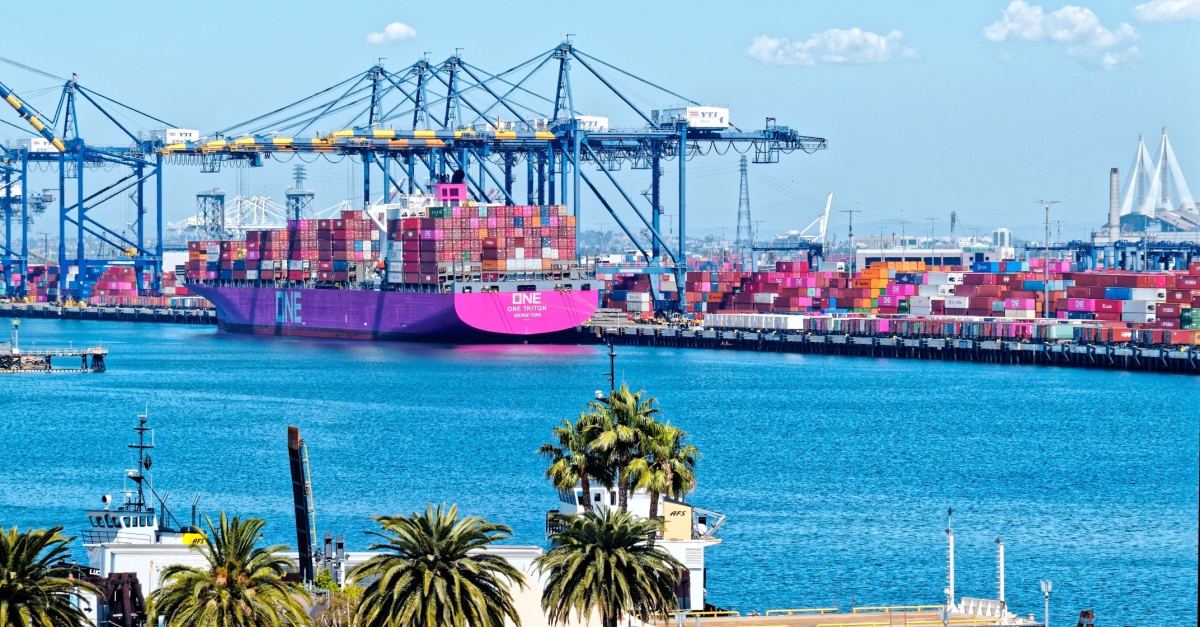
Port drayage during peak season may not be easy, but it can be managed efficiently. Success is determined by how prepared you are, how well you communicate, and how much flexibility you build into operations.
With rising freight costs and complexities, an average logistics operation can greatly benefit from leveraging multimodal transport options, adding much-needed redundancy to transport moves. Central to such an exercise is transloading.
2999 East Pacific Commerce Drive Rancho Dominguez, California 90221
Oakland, CA

