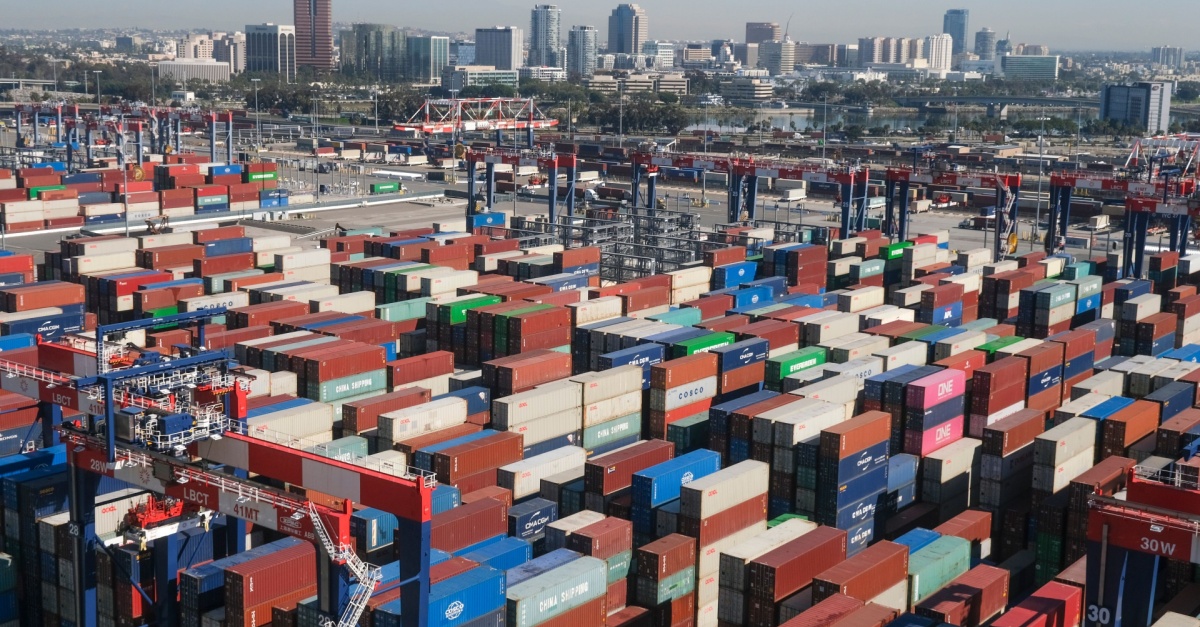
While a short haul, port drayage operations are extremely critical to global trade and supply chain operations. The drayage process ensures shipments are moved out of the ports within their last free day to warehouses or, if need be, transloaded for seamless continuity in the shipping process. Drayage connects ocean freight to inland logistics networks, making it a key link in global trade.
Port drayage operations have become so integral in modern global supply chain operations that slight delays can have ripple effects across downstream supply chain operations. To avoid such scenarios, shippers, including manufacturers and retailers involved in the process, are striking strategic port drayage partnerships with reliable drayage partners like Golden State Logistics. This way, they can leverage the dray providers’ experience, expertise, and resources for maximum output and efficiency.
This article explores the challenges of port drayage operations, why strategic partnerships are important, and how to go about building them.
Port drayage operations are a critical addendum to ocean freight. While a short move, it can get complicated, especially since drayage operations depend on several external factors. These include:
Port congestion occurs for many reasons, including poor or limited infrastructure, road traffic, and labor shortages. In January, the Los Angeles and Long Beach ports witnessed a situation in which the average truck turn times slowed to 82 minutes. Extensive port congestion creates bottlenecks that slow down cargo movement.
From emission standards to hours-of-service rules, there is no shortage of rules and regulations that truckers and drayage providers must comply with. On one hand, these regulations are meant to ensure safe operations for stakeholders and the general public. On the other hand, it makes the drayage operation much more complicated and expensive. This is a major challenge, especially because failure to comply can lead to fines, shipment delays, and reputational damage. Security protocols also require strict adherence, further complicating operations.
In a world in which fuel prices are increasingly volatile and a major contributor to drayage operational costs, managing expenses effectively can be a challenge. Factor in the maintenance and labor costs, and shippers have a lot to navigate, making drayage a significant expense. Trucking companies face rising costs while trying to remain competitive, and driver shortages only further complicate the situation.
The modern freight world is more complicated than ever. Shippers are increasingly confronted with cargo fraud, damage from handling, weather disruptions, and security challenges on the ocean. Shippers are forced to operate blindly without real-time tracking, playing guessing games as to where their cargo is.
Another critical challenge is poor communication. When that exists between stakeholders such as the trucking companies, port authorities, and freight forwarders, it can lead to delays and missed connections. When there is a lack of transparency, shippers can expect unnecessary cost increases and lower service reliability.
Port drayage operations connect ocean freight to inland logistics networks, making it a key link in global trade. However, it can be overly complicated, making port drayage partnerships so critical today. Here is why:
In a world in which cargo theft and other security challenges are more common than ever, shippers can leverage reliable drayage partners to help them optimize routes, reduce dwell times, and ensure faster cargo movement. These efforts will eventually improve the efficiency and speed of shipping operations.
With better planning and coordination, cargo moves through ports with fewer delays, reducing wait times and improving overall supply chain efficiency. Drayage partners like Golden State Logistics can do this because they have industry insights, relationships, and technology solutions.
Experienced and reliable drayage providers will reduce cost operations by taking the headache of maintenance, managing and paying drivers, scheduling, and navigating port authorities. If the shippers can demonstrate capacity, they can negotiate lower rates, volume discounts, and shared resources.
More importantly, reliable drayage providers can run a well-oiled operation, reducing or eliminating unnecessary expenses such as demurrage and detention fees, which can quickly add up if shipments are delayed.
The nature of shipping in the modern world is about timely and predictable deliveries, but achieving that is easier said than done. This is another reason shippers need trustworthy drayage partners to deliver on time. These partners can leverage their experience and vast resources to easily navigate potential challenges, ensuring the shippers can provide consistent service levels and access proactive problem-solving to reduce disruptions.
A strong partnership allows businesses to plan with confidence, knowing their cargo will move as expected.
Technology plays a crucial role in modern drayage partnerships. With increasingly vital solutions like real-time tracking, automated reporting, and seamless communication, everyone can stay informed about the shipment status in real time. This means proactive decision-making and robust risk mitigation, guaranteeing a seamless shipping process. This level of visibility reduces uncertainty and allows for better decision-making.
There are a myriad of regulations in the freight world, and keeping track of them can be difficult. Partnering with reliable drayage providers takes the stress of all that away because they help the shipper stay on the right side of regulations. The drayage partners do all the compliance work while shippers focus on their freight.
Successful drayage partnerships are beneficial and a must. However, for that to happen, the shippers must get these elements right:
Every successful partnership must have a mutual understanding of what both sides hope to achieve. This could be anything from reducing costs to improving speed or increasing capacity. If the partnership is to have any chance of survival, both parties must be aligned on expectations.
A good partnership must have open and honest communication. This enhances the flow of information and ensures that challenges such as freight delays, equipment shortages, or unexpected fees are never unexpected.
Technology is now embedded in every facet of logistics operations, and port drayage is no exception. Today, drayage providers use transportation management systems (TMSs) and other digital tools to provide real-time visibility, but it is essential to ensure compatibility and the ability to integrate technology for smooth data sharing.
Most supply chains are successful because of the ability of the stakeholders to be flexible and adapt as needed. A good port drayage provider must be able to do that as well. Flexibility in scheduling, equipment availability, and driver allocation can mean the difference between on-time delivery and unexpected penalties.
Both parties must establish and agree to certain metrics. This will aid in performance tracking, which helps ensure both parties meet their commitments. Agreed-upon key performance indicators (KPIs), such as on-time pickup and delivery rates, container dwell times, and cost efficiency, set expectations and provide a basis for continuous improvement.
The drayage provider must have a strong track record of experience and expertise for two primary reasons. The first is to show that they understand the market and the various challenges it can throw at the operation. More importantly, it demonstrates that the drayage provider has solved similar challenges in the past. Look for companies with a history of working in the ports relevant to your business.
The port drayage provider must have well-established relationships with relevant authorities, especially those at the ports. This way, they can stay updated with information and ensure shipments move as efficiently as possible. Furthermore, they must have a reliable fleet, experienced drivers, and the ability to handle volume fluctuations.
Golden State Logistics prides itself on service, expertise, and reliability. With 25 years of drayage expertise in Southern California and other major markets, we have the capability to manage any challenge, earning the trust of shippers and supply chains throughout the country. With a robust network and investment in technology solutions, GSL is the partner that guarantees your business and supply chain a competitive edge. Get in touch with us today.

With GPS tracking, geofencing, rolling ETAs, and live status updates, shippers can really control what happens between port pickup and door delivery. These tools eliminate guesswork to plan appropriately for drayage, transloading, and inland transportation.
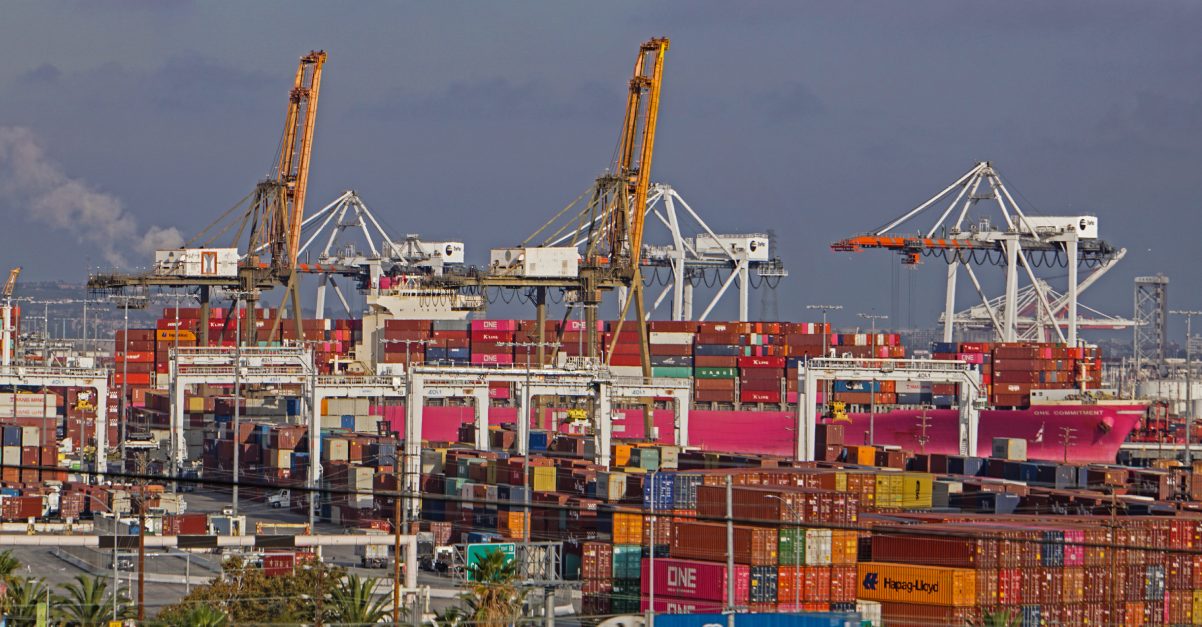
This guide will take you through the steps to track cargo through the ports of LA and Long Beach, from free tools to system-level connections that provide purchase-order visibility instead of guessing container numbers.
2999 East Pacific Commerce Drive Rancho Dominguez, California 90221
Oakland, CA


