Transloading keeps your freight moving instead of sitting still. And the shippers who build transloading into their supply chain from the start are the ones who move freight the fastest and spend the least on storage. This is particularly important in Southern California, where warehouse space is limited, and port fees rise every day. Here, any freight that is sitting around is expensive.
However, by leveraging strategic transloading, shippers can save money on storage, avoid demurrage fees, and get their goods to their destination days sooner. In this article, we explain how strategic transloading works in practice and how it can move your inventory more quickly while lowering storage costs.
Cross-docking is the quickest way to get imported goods through a transloading facility. The idea is simple. Freight comes in a 40-foot ocean container, is unloaded, sorted, and then loaded back onto 53-foot domestic trailers for outbound delivery. There isn’t much time spent on the shelf. In a lot of cases, goods that come in the morning are on the road by that same afternoon.
This is a good way to handle fast-moving goods, seasonal retail restocking, and anything that needs to be delivered quickly. For example, a shipper can sort goods by store or region at a facility near the Port of Long Beach and have them sent to retail distribution centers all over California, Nevada, and Arizona within 24 hours.
According to a 2025 pricing study from Tri-Link FTZ, speed is important because it costs $23 to $28 per pallet per month. You could have saved money if your freight hadn’t sat on a rack every day.
Cross-docking also speeds up the return of ocean containers and chassis, immediately lowering per diem and detention fees.
Let’s say you have five containers coming in with goods that need to go to three different distribution centers in Phoenix, Las Vegas, and Sacramento. A transloading company like Golden State Logistics near the ports of Los Angeles and Long Beach can sort and combine that freight into three full truckloads, one for each destination. So, instead of sending five separate shipments, you are paying for three trucks instead of five. When you move 50 or 100 containers a month, that difference adds up quickly.
Transloading facilities around the San Pedro Bay port complex are well-suited for this kind of work. A facility that is 15 to 20 minutes from the terminals keeps drayage costs low (usually $200 to $400 per container instead of $800 to $1,500 for moves to farther warehouses) while putting your freight in the best place for consolidation and redistribution. The closer you are to the port, the less money you spend on the first leg.
Plans fall apart. For instance, a distribution center may fill up faster than planned, and demand may shift from one region to another. There are also situations in which a retailer or shipper accelerates an order and suddenly needs something that was supposed to remain in storage for two more weeks. This is when transloading becomes a planning tool.
Rapid reallocation means rerouting freight mid-flow without sending it back to a port terminal or letting it pile up in a warehouse you can no longer use. Imagine a retailer getting ready for the holiday season. One DC in Southern California is full, but another in Arizona still has space. With a transloading facility in the mix, those containers can be redirected and reloaded onto trucks headed for the location that actually needs the product. This way, there is no time wasted and no extra storage fees.
This kind of flexibility is very helpful when the ports of LA and Long Beach are at their busiest. In the summer of 2025, the Port of LA handled more than 892,000 TEUs in just one month. This was a 15% increase from the year before. When traffic hits the system with such intensity, the ability to move freight where and when it needs to go is essentially what keeps you ahead of demand and not behind it.
Golden State Logistics operates seamless transloading facilities near the San Pedro Bay port complex. We help shippers whose goods need to get through Southern California quickly. If you want to include transloading in your supply chain planning, get in touch with the GSL team to start the conversation.
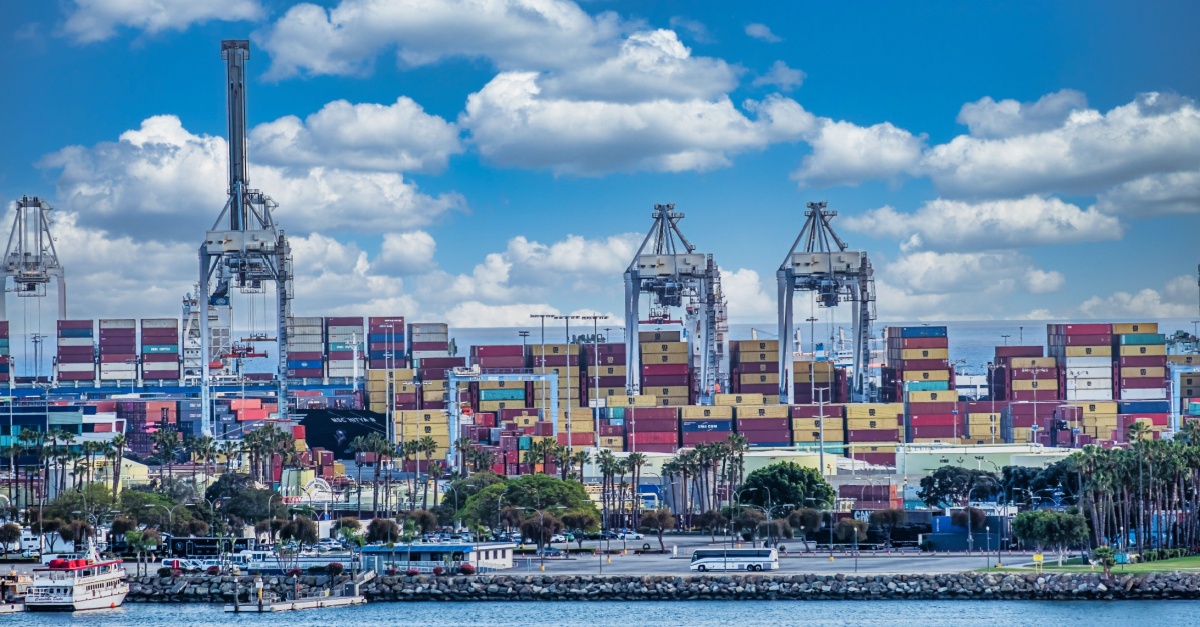
Golden State Logistics’ base near the ports of Los Angeles and Long Beach provides immediate benefits, including drivers being close, dispatch being familiar with regional quirks, and reduced turnaround times.
The processes and infrastructures involved in moving goods within and into the country are different, and leveraging one for the other can create problems for the shippers and stakeholders involved
2999 East Pacific Commerce Drive Rancho Dominguez, California 90221
Oakland, CA


