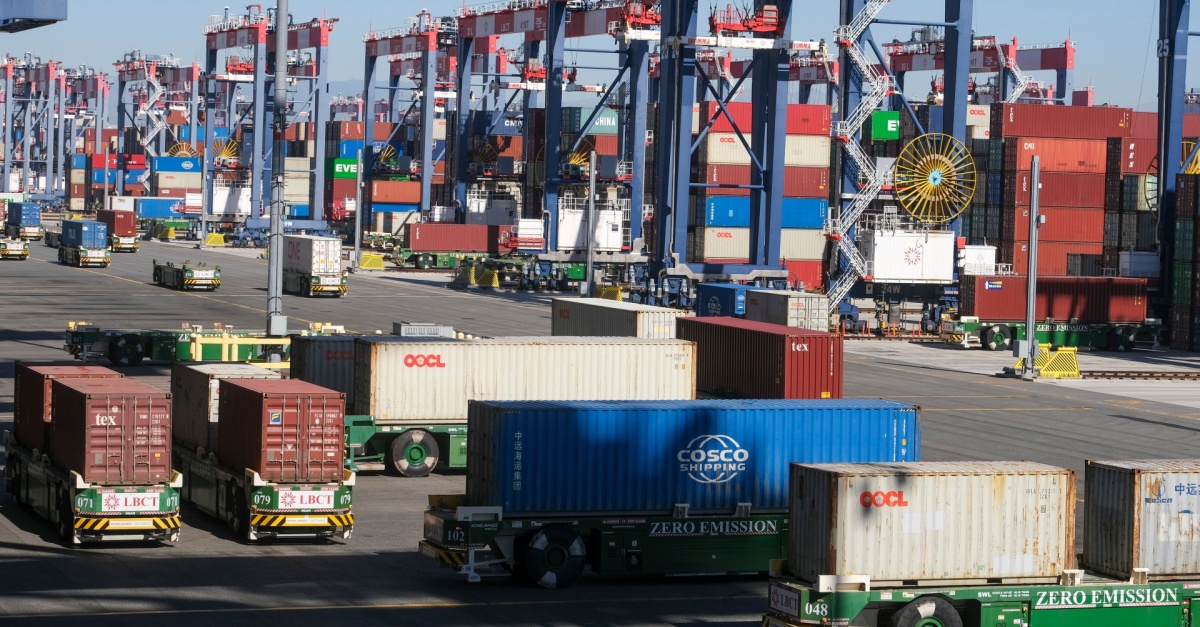
Despite being a short-haul operation, port drayage operations generate enough emissions to have a significant environmental impact. This can get complicated for major logistics and shipping hubs like Los Angeles and Long Beach, and the impact of these emissions can be far-reaching. With communities and government agencies taking note, stakeholders have made a conscious shift toward more sustainable practices, and port drayage is no different.
Port drayage plays a major role in international supply chain operations and is a crucial link between foreign and domestic markets. Shippers rely on it to transport their cargo to warehouses or connect it to other modes of transportation, such as rail or long-haul trucking. However, many do not realize these short hauls can contribute immensely to traffic congestion as they regularly operate on busy roads. Traffic congestion generally keeps more vehicles on the road, increasing idling and, ergo, emissions.
While the environmental impact of port drayage can be concerning, this article will lay out sustainable practices that can have a positive effect.
While port drayage operations have always had a large carbon footprint, they were seldom the focal interest of shippers and freight forwarders, who were more interested in curbing emissions from long-haul moves like interstate trucking or air freight.
Now that drayage is under the microscope, here are some direct implications of its operations:
In 2019, the three largest ports in the United States — Los Angeles, Long Beach, and New York/New Jersey — emitted more than 2.5 million tons of carbon dioxide equivalent (CO2e). By their nature, the ports require much movement, including humans, machines, and vehicles. This can mean a lot of vehicle emissions, with port drayage operations making up a significant share of that due to the sheer volume of activities. For better context, a large vessel brings in thousands of containers, but to move those containers out of the port, thousands of trucks must be engaged. While the greenhouse gas emissions can be astronomical, ports have come a long way from 2019 through increased sustainable practices.
Port drayage operations depend on hundreds of heavy-duty trucks, yet the limited availability of electric and hydrogen-powered alternatives forces many shippers to continue relying on diesel-powered vehicles. The problem is that these trucks emit a variety of pollutants, including nitrogen oxides (NOx), particulate matter (PM), and greenhouse gases (GHGs) during operation. The one thing all these gases have in common is that they destroy air quality and contribute to health problems such as asthma and cardiovascular diseases. These pollutants can also harm ecosystems, which reduces biodiversity and damages vegetation.
Ultimately, port drayage operations are still heavily reliant on fossil fuels for seamless operations. The heavy reliance on diesel-powered trucks not only drives emissions — a significant concern on its own — but also intensifies environmental degradation through the resource extraction required to sustain these vehicles. More reliance on these resources can worsen the environment, underscoring the absolute need for alternative solutions or renewable energy sources in trucking operations.
Despite the alarming impact of port drayage operations on the environment, solutions are being developed that will allow shippers and port operators to take a more proactive approach to run more sustainable operations while increasing their efficiency — if not now, then in the near future.
What are some of these sustainable practices?
Technology has rapidly changed logistics operations in the last few decades. It has made them more flexible even though the world has gotten more complex. Some of the tech advancements that have helped shippers integrate sustainability into various aspects of their logistics and supply chain operations, including port drayage, are the following:
Although it is not yet widespread, there have been great leaps in getting more shippers to invest in trucks that run on alternative energy or fuel sources. Electric and hydrogen-powered vehicles, for example, can significantly reduce emissions. These trucks operate without tailpipe emissions, improving air quality and reducing the carbon footprint of drayage operations.
While self-driving trucks are expected to be the future, shippers and logistics providers or brokers may have to wait a while before they can leverage them. The technology holds much promise and will allow for more effective scheduling and fewer shipping risks or challenges. The adoption of self-driving trucks also holds the potential to enhance efficiency and reduce fuel consumption through optimized driving patterns.
These tech solutions allow shippers to monitor and manipulate data to make the shipping process more safe and predictable. Shippers can leverage telematics and data analytics to monitor truck performance and optimize routes. Drayage operators can minimize idle time and fuel use, reducing emissions and operational costs.
Better shipping operations ultimately mean a more sustainable environment. However, improving the operational efficiency of the shipping process will require effort from multiple stakeholders in the port drayage process, especially those directly impacted, such as port operators, drayage providers, and shippers.
In 2024, the ports of Los Angeles and Long Beach handled record volumes. However, congestion was also in play, slowing the port drayage process and leading to more emissions and traffic congestion. To combat that, there needs to be more strategic investments in smarter port layouts and traffic management systems to reduce idling times and improve traffic flow, lowering emissions and saving fuel.
Although trucking is much more flexible and convenient, relying on it solely can be problematic, especially for shippers that want to run more sustainable shipping operations. Shifting freight from trucks to trains or ships for longer hauls can reduce road congestion and emissions. Rail, in particular, offers a more fuel-efficient alternative for bulk cargo.
Coordination is a key aspect of operational efficiency. To hit sustainable goals in the future, stakeholders in the port drayage process must collaborate and coordinate in good faith. This applies to trucking companies, providers, port authorities, and shippers. Collaborative planning is essential for optimizing drayage schedules and reducing redundancies.
Regulations serve as a guide for shipping stakeholders. For a sustainable future, these regulatory frameworks help direct shippers and other stakeholders in the port drayage process on how to go about ensuring improved sustainability results. There are a couple of policies that can help push things forward:
The government and its agencies play a critical role in setting emission standards. For example, the stricter emission limits set by the California government on diesel engines helped reduce ports’ and the state’s overall gas emissions.
Another example is the Clean Air Action Plan (CAAP). Since its inception, the ports have reduced GHG emissions by an average of 12%, despite a 7% increase in container volume during the same period, as incentives for clean technologies drive the transition to greener alternatives.
Sometimes, incentives make things more appealing, which also applies to environmental sustainability. Tax breaks, grants, and other financial incentives encourage operators to adopt eco-friendly technologies and practices, offsetting the high initial implementation costs. Incentives also make it easier for stakeholders to improve compliance with regulations.
Implementing sustainable practices in port drayage presents unique challenges, such as the high upfront costs of new technologies, the need for extensive infrastructure upgrades, and resistance to change within the industry. However, these challenges also present opportunities for innovation and collaboration. Stakeholders can work together to develop cost-effective solutions, share resources, and advocate for supportive policies that benefit the environment and the economy.
At Golden State Logistics, we pride ourselves on being a sustainable freight provider, bringing service, expertise, and reliability to your supply chain and port drayage operations. With 25 years of port drayage expertise in Southern California, we can manage any challenge, earning the trust of shippers in the region. With a robust network and investment in technology solutions, GSL is the partner that guarantees your shipping operations are as sustainable as they are competitive. Get in touch with us today.

Tech solutions like real-time tracking, automation, and predictive analytics empower logistics managers by enhancing their ability to maximize the efficiency of inland transportation.
Shipping operations are increasingly complicated, and when there is a delay or mistake in managing the flow of containers at the ports, it will often lead to demurrage and detention fees.
2999 East Pacific Commerce Drive Rancho Dominguez, California 90221
Oakland, CA


