Everything changed on October 18, 2025, when the California Labor Commission Office issued citations to three major carriers alleging driver misclassification under the AB5 rule and other labor law violations.

In this article, we explain why freight visibility is so critical and what changes when you have complete visibility into what happens after the port gates close behind your containers.
Port-adjacent transloading reduces drayage miles because the container does not have to travel deep inland before unloading.
Unfortunately, in drayage operations across Southern California, tight appointment windows and heavy port congestion are common, which is why a single late decision can trigger fees that feel endless.
.jpg)
Inland transport decisions in Los Angeles and Long Beach determine whether you will end up wasting your money or actually getting ahead. Once your freight clears the terminal, every mile, delay, and mismatch adds up.
When cargo lands in Los Angeles or Long Beach, every extra mile, every extra hour, and every extra touch becomes a cost and, in many cases, painful delays.
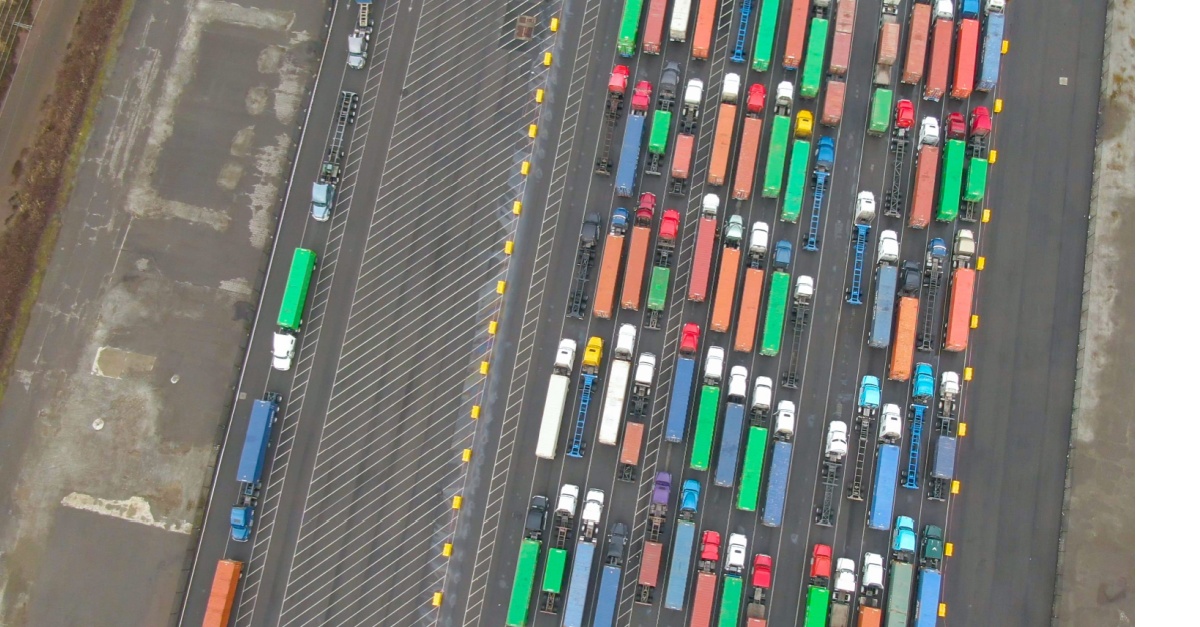
Inland transport is the bridge between ports and customers, the path your freight takes after leaving the port — whether it is heading to a warehouse in the Midwest or a regional hub in the Southwest.
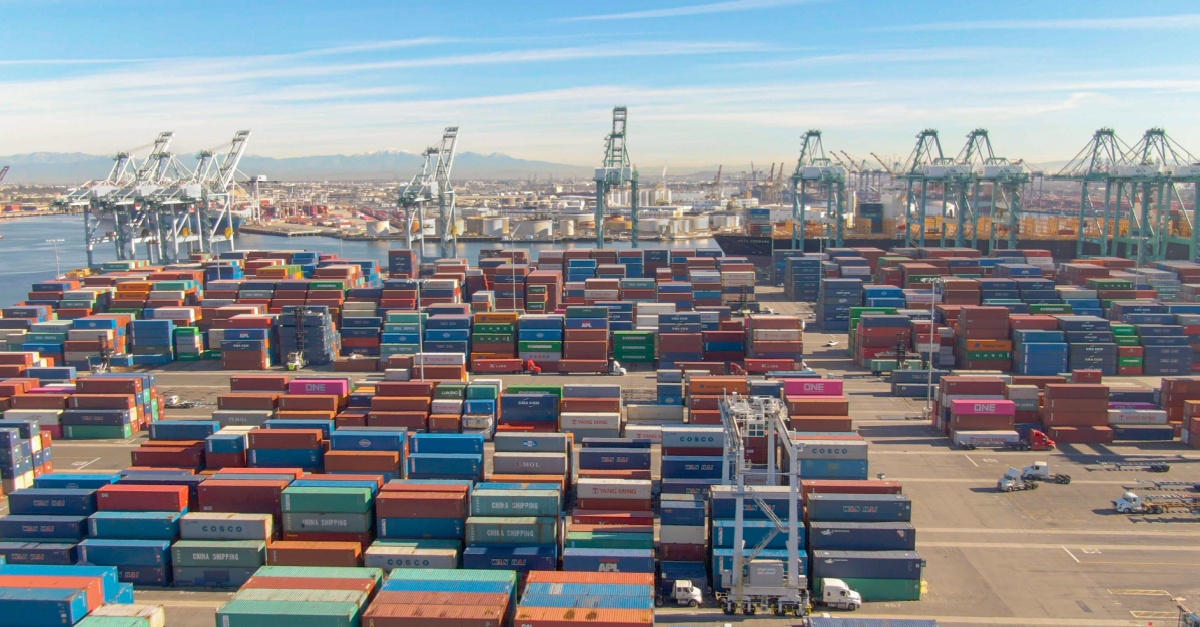
This article explains why location near the ports of LA and Long Beach matters and how keeping drayage, transloading, and yard space close to the water speeds up your entire supply chain.
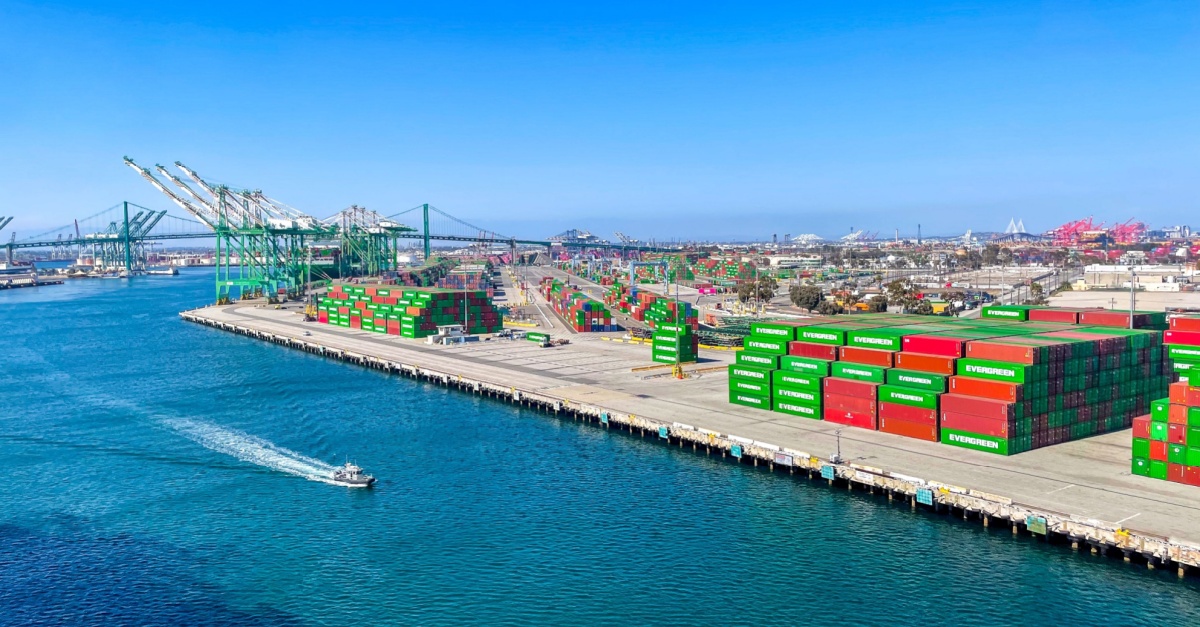
Efficient transloading during the peak season starts with an accurate forecast of inbound freight and an evaluation of how it aligns with your transloading provider’s current capacity.
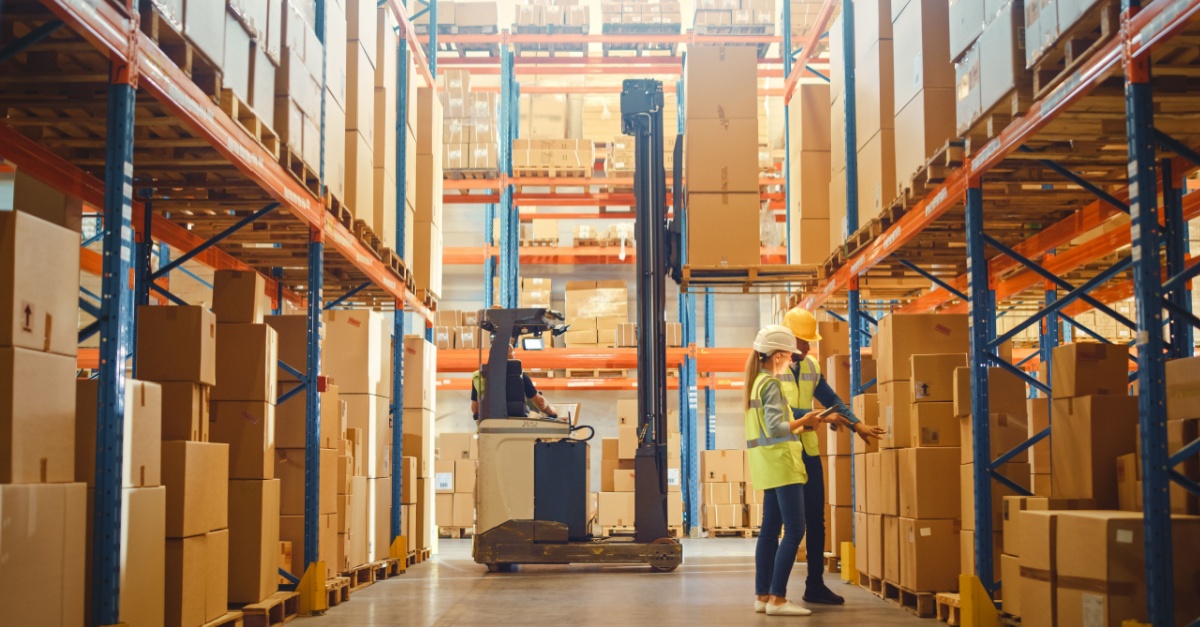
When stock arrives late, the fulfillment center cannot process items in time for carrier cutoffs. That delay forces some orders to roll to the next day, hurting customer satisfaction and increasing operational costs.
2999 East Pacific Commerce Drive Rancho Dominguez, California 90221
Oakland, CA


