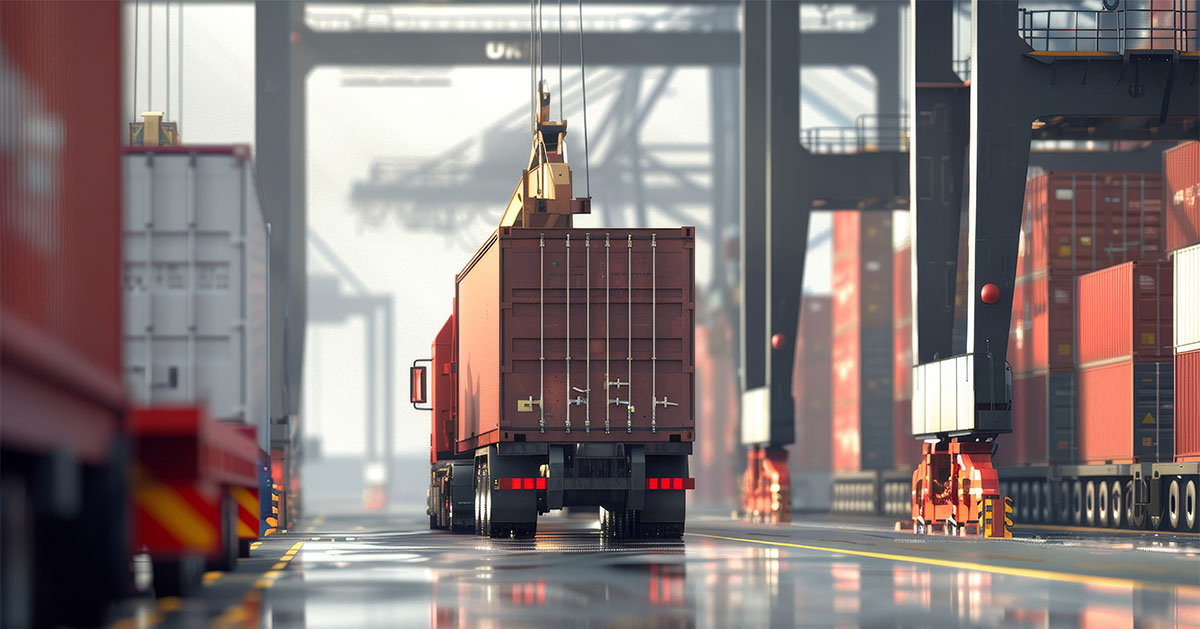
When a container leaves the harbor sealed and heads inland for a transfer, you pay twice for that distance. First, the truck spends more time on the road, burns more fuel, and keeps the driver and chassis on the road longer. Second, all the time the truck spends driving inland is counted against you, because the port and ocean carrier clocks do not wait until you reach the transloading facility before they start counting.
However, with port-adjacent transloading, you can cut that distance near the start, where it can still change the outcome. In this article, we explore how port-adjacent transloading reduces drayage miles, lowers costs, accelerates handoffs, and reduces dwell time.
Port-adjacent transloading reduces drayage miles because the container does not have to travel deep inland before unloading. Consider an apparel importer that receives five 40-foot containers per week from Asia. Before switching to a short-dray option, the importer was constantly moving those boxes directly to a warehouse in Fontana. Each return trip cost time and incurred avoidable detention fees.
By using a transloading facility near Long Beach, containers are stripped on day one, freight is palletized, and 53-foot trailers deliver the products to Fontana. The shift alone can allow the importer to cut return trips in half and drop dwell charges by nearly 40%. By choosing to transload near the ports, you can reduce port drayage in the harbor area and exposure to the worst stretch of SoCal traffic, which can result in missed appointments that push a transfer to the next day.
Unfortunately, dwell time is impossible to control, and it starts counting once a container is off the vessel. That means if your container doesn’t get unloaded quickly, whether it’s stuck at the marine terminal or waiting outside a warehouse that’s backed up, you’ll face extra charges. But you can break that cycle through port-adjacent operations, which allow you to pull the container quickly, unload near the harbor, and turn the box around. This way, instead of negotiating with a bottleneck, you’re running your playbook.
As of late 2024, the Port of Los Angeles reported an average dwell time of 2.3 days for local transloads, compared with six to nine days for containers sent directly inland. That time gap means tighter appointments, cleaner carrier coordination, and fewer surprises. Containers don’t need to be held hostage by missed turns. Transloading gives you a way to act before the problem escalates.
Many shippers mistakenly assume that short drayage increases freight costs. But that is only true if you are considering line items in isolation. When you consider the full cost of detention, delays, and lost time, near-port transloading often comes out on top. And it is simply because near-port transloading ensures fewer late returns, greater control over when and how freight leaves the port, and predictable routes, all of which support effective planning.
When the container is unloaded near the port, the freight can be repacked or reorganized to align with the next step. This flexibility helps shippers create loads better suited to the destination, delivery window, and delivery method.
For example, consider a retailer that receives mixed product containers that need to be delivered to stores across LA, Orange County, and Riverside. The retailer could ship sealed containers to a single warehouse inland and wait for a cross-docking slot. Or the containers could simply be unloaded three miles from the port. With the latter, the product is sorted and reloaded into box trucks, which are routed by zone the same day. As a result, transit times drop and missed windows nearly disappear.
Shippers need better timing. And that is what Golden State Logistics brings to the table. With transloading yards located minutes from both the ports of Los Angeles and Long Beach, we help you cut miles, beat detention, and move freight out faster. Our team understands the rhythm of SoCal drayage and builds each transfer to match your inland plan. If you’re tired of containers getting stuck in the wrong place, we’ll help you fix that — starting right at the dock. Connect with us today. Let’s talk.

If inland planning is done only after the cargo clears the port, flexibility is lost, and small coordination gaps between the dock and destination compound into missed delivery windows.
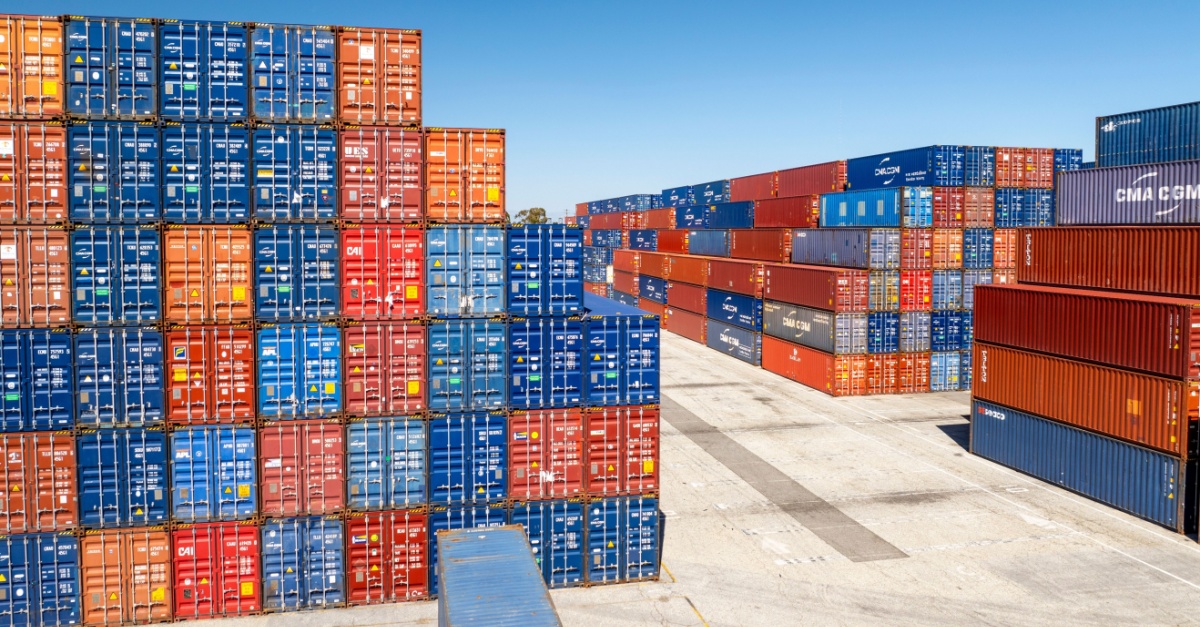
Transloading metrics have a real impact on daily freight decisions, but getting it right necessitates knowing what to look for. In busy regions like Los Angeles and Long Beach, seven transloading metrics matter most.
2999 East Pacific Commerce Drive Rancho Dominguez, California 90221
Oakland, CA


