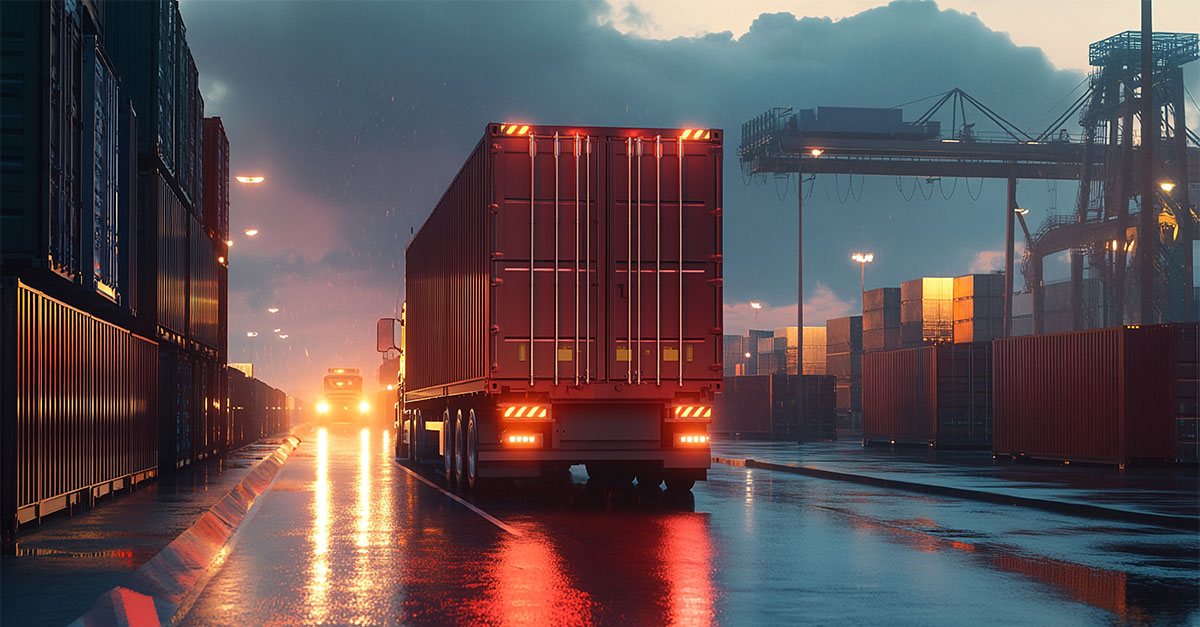
Drayage is not a short move that you just book whenever you want. It is a timed system you run with discipline. Poor drayage planning is usually the start of an expensive mistake that impacts freight budgets, delivery scorecards, and your team’s sleep. Unfortunately, in drayage operations across Southern California, tight appointment windows and heavy port congestion are common, which is why a single late decision can trigger fees that feel endless. In this article, we examine in detail the costs of poor drayage planning and how to avoid them.
Although poor drayage planning results in additional costs, much of the damage is actually lost time. Every hour of port dwell time and every hour of dock waiting adds cost to your operation in ways that may not be immediately clear on an invoice.
Below are the cost buckets that hit most shippers, in the order they usually appear.
Detention is the price of waiting. And it is usually triggered when a driver cannot enter or exit a terminal on time, obtain a chassis, or unload at the receiving end. But the cost of detention is actually higher than whatever fee you are told to pay.
Take, for example, a driver who sits at the terminal for two hours without any progress. First, you lose two hours; second, that lost capacity forces you to schedule another pickup for the next day, which may fall outside your free time window. It is how detention turns into a demurrage problem.
A common SoCal pattern looks something like this:
The container is ready late morning => the driver arrives midday => the terminal line runs long => appointment slips => pickup pushes to the next day => fees follow the next day.
To fix this, focus on adequate planning and timing, not just speed.
Demurrage charges impact your balance sheet when the container remains at the terminal beyond free time. Unfortunately, many shippers believe that demurrage is actually a port problem. Although the ports may bear some blame, ultimately, it is a planning problem.
Demurrage usually starts with simple gaps. For example:
Demurrage can be expensive, but the worst part is how it hides itself. Different departments view it differently. Your ocean team sees the charges. Your drayage team sees the delay. Your warehouse team sees the late inbound. No one sees the full loss in one place.
If you want fewer demurrage charges, treat port pickup as a timed appointment with a fee attached, rather than an errand.
Chassis fees rise when you do not know where the chassis will come from, where it will sit, or when it will return. In Southern California, chassis availability changes so quickly that it turns weak planning into daily charges.
Poor chassis planning often shows up in three ways:
Take, for example, a container picked up on time but arriving at a DC that cannot be unloaded until the next day. The chassis sits locked under that box overnight. Your drayage move is done, but your equipment meter is still running.
Missed delivery appointments often originate at the port. Consider this picture: Your pickup slips, and suddenly, meeting the scheduled inland delivery becomes impossible. If you miss that appointment, charge-backs can be costly. You will also have to confront the need for a rework or reschedule, and angry receivers — all of which can be equally painful.
This is where poor drayage planning becomes a total supply chain cost problem. Your retailer does not care that the terminal ran slowly. They care that the load missed the dock window. Your DC is not aware that chassis availability was tight. They care that labor was booked for nothing. A missed delivery appointment also creates a risk of rehandling. Freight may be dropped, rescheduled, or reloaded, which adds touches and increases damage risk.
The cost of port congestion extends beyond delays. There is also fuel burn, wasted driver hours that necessitate more pay, and knock-on misses. For example, it is true that you pay for any extra hour a driver has to crawl through terminal traffic, but don’t forget that you also have to pay for what that hour displaces later down the line.
In Los Angeles and Long Beach drayage operations, congestion shifts by day, terminal, and time block. That is why it is a planning error to treat congestion like a surprise. It is so common that it is now a factor you must plan for.
Better drayage planning is not complicated. However, it entails disciplined scheduling, clean visibility, and tight driver coordination. If you can ensure these, the payoff is fewer fees, delays, and expensive surprises.
Pre-arrival scheduling means you plan pickup before the container is free. For more context, this means locking in the plan early and adjusting if the vessel slips. A simple pre-arrival routine looks like this:
Confirm ETA, terminal, and availability expectations => identify the earliest practical pickup day => reserve a driver plan for that day => confirm chassis access near the terminal => set a return plan for the empty.
That last stage matters a lot. Many shippers plan pickups but forget about returns. That kind of forgetfulness becomes chassis fees.
Visibility is a habit that triggers action. In drayage operations, it means you have sufficient, accurate information on your container status, terminal rules, and appointment readiness to act in time. Your visibility should always cover:
When you see risk early, you can swap a driver, shift the pickup time block, or stage a chassis closer to the port. But when you see it late, you have to pay.
Driver coordination means that dispatch decisions align with terminal patterns and receiver behavior. It also means you do not schedule a tight pickup for a receiver with a history of slow unloads. On the other hand, equipment coordination means treating chassis management as a job, not a hope. You plan where the chassis comes from, where it sits, and where it goes back.
A simple rule is never to pick up a container without a clear plan for its empty return. This one rule lowers chassis fees and reduces missed next-day pickups.
In Southern California, drayage feeds transloading services and inland transportation. That is why, when your drayage is behind schedule, it has a ripple effect. For instance, transloading is delayed, which ultimately leads to missed appointments or deliveries.
A coordinated port-to-DC planning model fixes this by treating the move as one sequence:
Terminal pickup => transfer to transload => reload the outbound trailer => dispatch to the inland receiver => empty return and chassis release.
The sequence cuts dwell time, rehandling, and miscommunication.
Poor drayage planning is optional. But the costs are not. And Golden State Logistics understands this so well. We help you plan effectively before the container is free, while ensuring visibility that triggers action, and driver coordination that protects time. Connect with us today. Let’s talk.
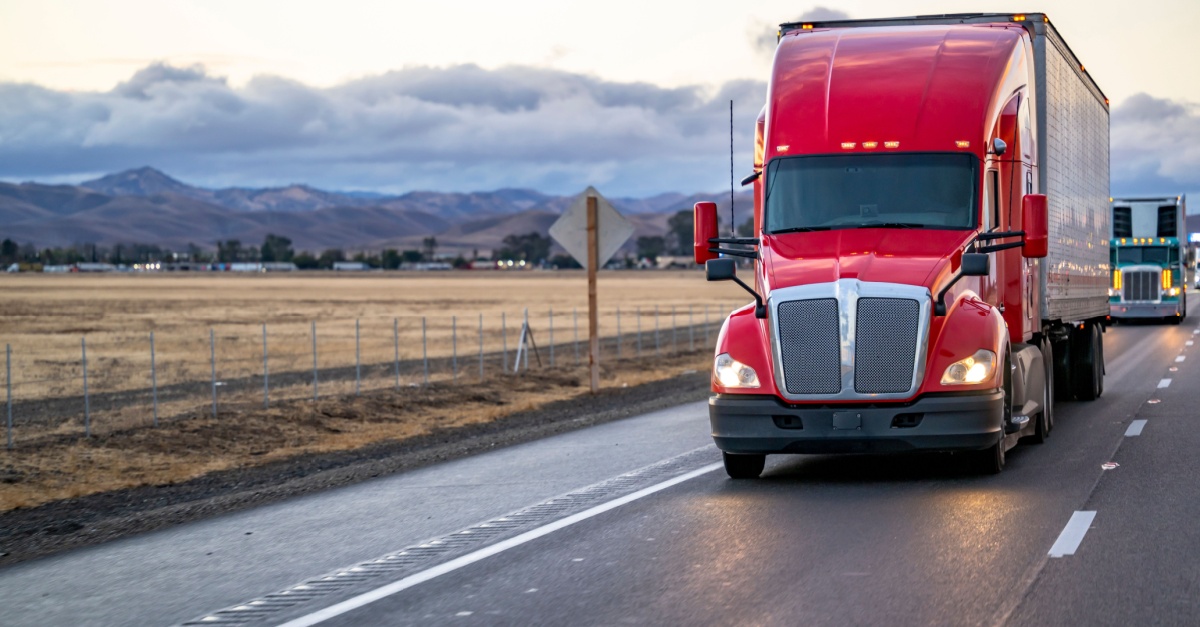
Despite the innovation in logistics and transportation processes, long-haul inland transportation is still a headache. Unfortunately, shippers are paying the price, constantly struggling with late deliveries, high costs, damaged goods, and unpredictable delays.
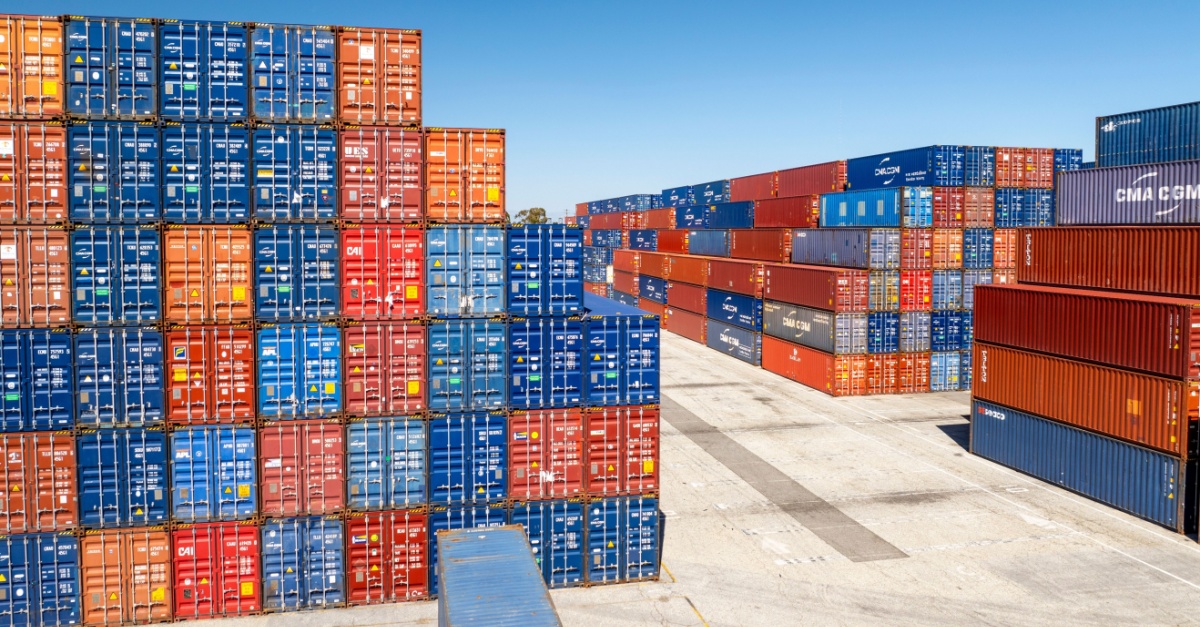
Transloading metrics have a real impact on daily freight decisions, but getting it right necessitates knowing what to look for. In busy regions like Los Angeles and Long Beach, seven transloading metrics matter most.
2999 East Pacific Commerce Drive Rancho Dominguez, California 90221
Oakland, CA


