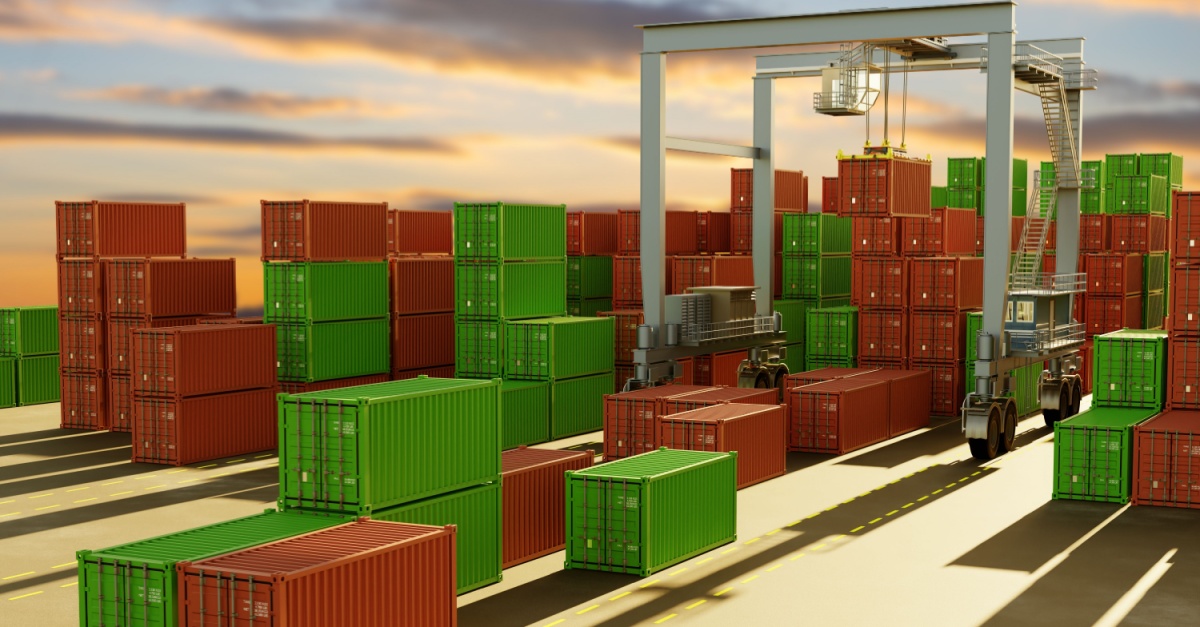
When cargo lands in Los Angeles or Long Beach, every extra mile, every extra hour, and every extra touch becomes a cost and, in many cases, results in painful delays. Transloading is the faster way to reduce waste when moving freight inland from Southern California ports. And the cleanest move is often the simplest move: unload once, build smarter outbound loads, and keep freight moving inland on the right equipment for the job.
Nearly 50% of the country’s imports pass through SoCal. Here are sustainable transloading practices that are key on the West Coast.
Transloading works best when it occurs near the terminals. And the closer the transloading warehouse sits to the LA and Long Beach gates, the fewer drayage miles you pay for and the fewer minutes you spend idling in port traffic.
A practical setup looks like this:
This matters because port drayage is changing fast. For instance, the Port of Los Angeles Clean Truck Fund rate is $10 per TEU for nonexempt trucks, and the program has collected more than $115 million to support zero-emission trucks. You do not want your freight plan to depend on long drayage runs that rack up fees and delays.
Transloading services should treat the trailer as the primary inland mode because it is easier to stage, drop, and route across Southern California than a container on a chassis. And the strategy is simple: Break one import container into multiple outbound loads, build outbound loads by destination, not by what arrived first, and keep drayage and transloading close to port lanes.
For example, a shipper receives a single 40-foot container carrying mixed cargo for three DCs. A transloading crew unloads the container once, then builds three outbound trailer loads by DC, with labels and seals checked at the dock. That one dock decision prevents two follow-up moves later, and those avoided moves save fuel.
Transloading is not only about unloading cargo. The dock is where you decide whether the next 200 miles will be clean and controlled or messy and expensive. This approach addresses the most common cause of inland chaos: partial trailers. They force extra pickups, handling, and yard shuffling, all of which burn time and fuel.
Transloading and rail can fit when the lane is long, stable, and planned. But rail does not fix bad freight planning; it rewards freight that is already staged, labeled, and built for clean transfers. This is also where a reality check helps. Rail is often cleaner on a per-ton-mile basis, yet it still faces emissions pressure.
A recent Reuters report noted freight rail’s nitrogen oxide emissions remain a serious issue in the United States, driven in part by older locomotives. That does not erase rail’s role, but it does prompt shippers to choose lanes carefully.
Drop and hook is one of the most overlooked tools in Los Angeles transloading and inland transportation services. When a driver drops a loaded trailer and picks up an empty, the truck spends less time at a crowded receiver dock. A drop-and-hook setup needs enough trailers to buffer peaks, appointment discipline at the DC, and yard space for staged loads.
These basics protect you from a situation in which the driver is stuck on a dock line while the next port pickup misses its window.
The choice of partner shapes everything that happens after your container hits the ground. A trusted transloading company in Southern California should be judged by its operational details, not by its marketing pages. So, when choosing, ask for proof in four areas:
If the provider cannot demonstrate how it operates the dock, you may later notice missed turns. The good news is that with Golden State Logistics, you have a tested and trusted transloading partner that is committed to sustainable transloading and green logistics operations. Connect with us today. Let’s talk.
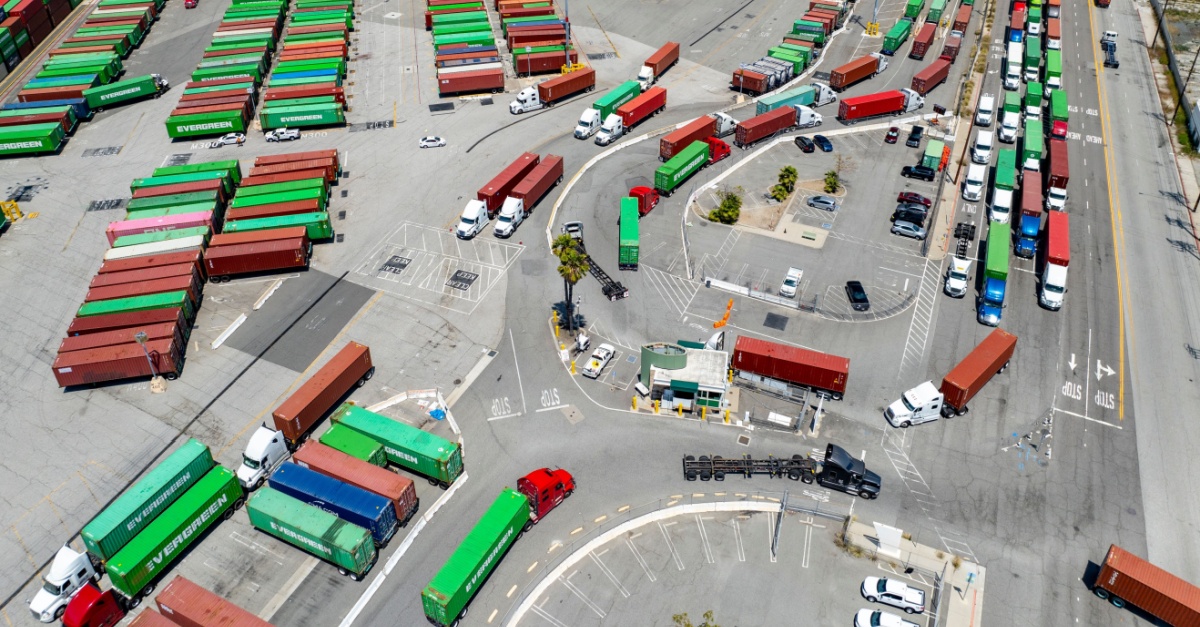
Buying one-off drayage services might sound smart, but it drains time and cash. A solid drayage partnership with a reliable partner expands reach and optimizes the entire freight network for enhanced control and efficiency.
Transloading connects directly with the drayage leg. It doesn’t happen in isolation, which is why a short, well-timed drayage move keeps the whole chain going.
2999 East Pacific Commerce Drive Rancho Dominguez, California 90221
Oakland, CA


