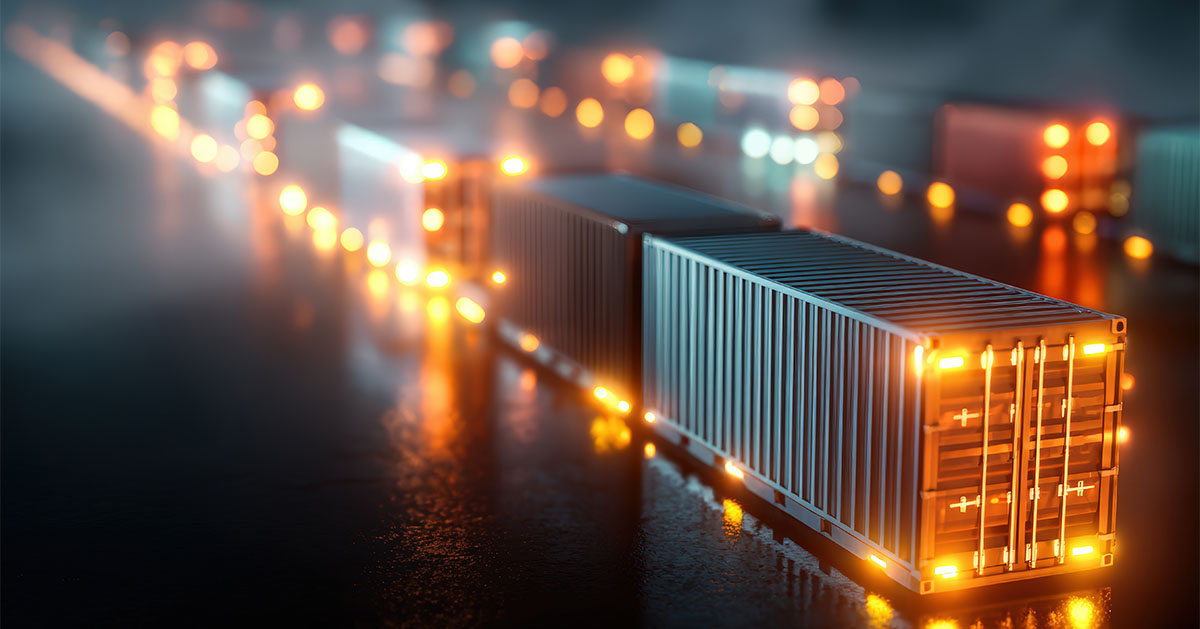
Imagine a scenario in which your container has just cleared customs at the Port of Long Beach. You watched it get unloaded from the vessel. But then, nothing. No updates or location data. No freight visibility whatsoever. Just radio silence until it shows up at your warehouse. Most shippers assume the hard part ends when freight reaches the SoCal ports. That is a very expensive assumption. Freight visibility is most valuable during the miles between the port and the warehouse — precisely when most tracking systems go dark.
In this article, we explain why freight visibility is so critical and what changes when you have complete visibility into what happens after the port gates close behind your containers.
Southern California handles more containers than any region in North America. The Long Beach and Los Angeles port complex moves more than 18 million twenty-foot equivalent units annually. When even a small percentage of those shipments is delayed, the ripple effects can impact thousands of operations. That is why what you can’t see starts costing you immediately.
Your container may remain at the terminal for two additional days due to a chassis shortage. It might be stuck in traffic on the 710 freeway. The driver might have equipment trouble in Carson. The problem is these invisible hours tend to add up, and you may never know the true costs until the charges appear on your invoice. For instance, say your warehouse team arrives for a scheduled unload, but the container is still 40 miles away. Now, you have to pay workers to stand idle, reschedule, or scramble to adjust production plans — all because nobody knew the truck left the port three hours late.
After your shipments have been cleared from the ports, freight visibility solves three specific problems that drain your budget and disrupt your operations
Real-time tracking shows your container’s exact location from port pickup through final delivery. You can see all movements and stops and, most importantly, the delays forming or potential challenges that may result in delays. It triggers prompt responses. For example, if a container cleared to leave the terminal at 9 a.m. is still at the terminal at 11 a.m., you can call your drayage provider immediately, identify the root cause, and resolve it. That beats discussing the issues three days later when the supply chain is already suffering the consequences of that delay.
Static appointment times become obsolete the minute a truck hits traffic. However, with dynamic ETAs, your operations can be adjusted based on current conditions, including traffic, delays, or progress. And this matters more than most shippers realize. For example, say you have three containers arriving today. One is ahead of schedule, one is on time, and one is running three hours late. Static appointments would show all three arriving between 2 p.m. and 4 p.m. Meanwhile, dynamic ETAs show you the truth at 10 a.m. Because of the dynamic ETA, you can shift receiving dock assignments. Move the ahead-of-schedule container to an earlier slot, reassign warehouse staff to other tasks until the delayed container actually arrives, and avoid paying overtime. Ultimately, your team stays productive.
Automated notifications beat manual check-ins every time. Drayage and inland transportation providers like Golden State Logistics have systems that automatically send alerts periodically and when conditions change. It could be delays, route modifications, unexpected stops, or arrival confirmations. These updates flow to everyone who needs them. Your warehouse manager gets a text about the delayed container. Your customer service team receives automatic updates that they can share with clients. And your inventory planners review arrival confirmations. This way, no one wastes time requesting status updates, nor are they forced to learn about problems only after they occur. Information moves as fast as your freight is moving.
Freight visibility after port discharge is no longer optional. It determines whether you control costs or costs control you. It also separates reactive operations from responsive ones. With Golden State Logistics, you can track your containers across the inland network, enabling better decisions. This way, you can avoid unnecessary fees, optimize labor, and build supply chains that work. Contact us to learn how visibility transforms operations.

The headache of making sure every piece of cargo is accounted for takes on added pressure when the shipments are passing through California.
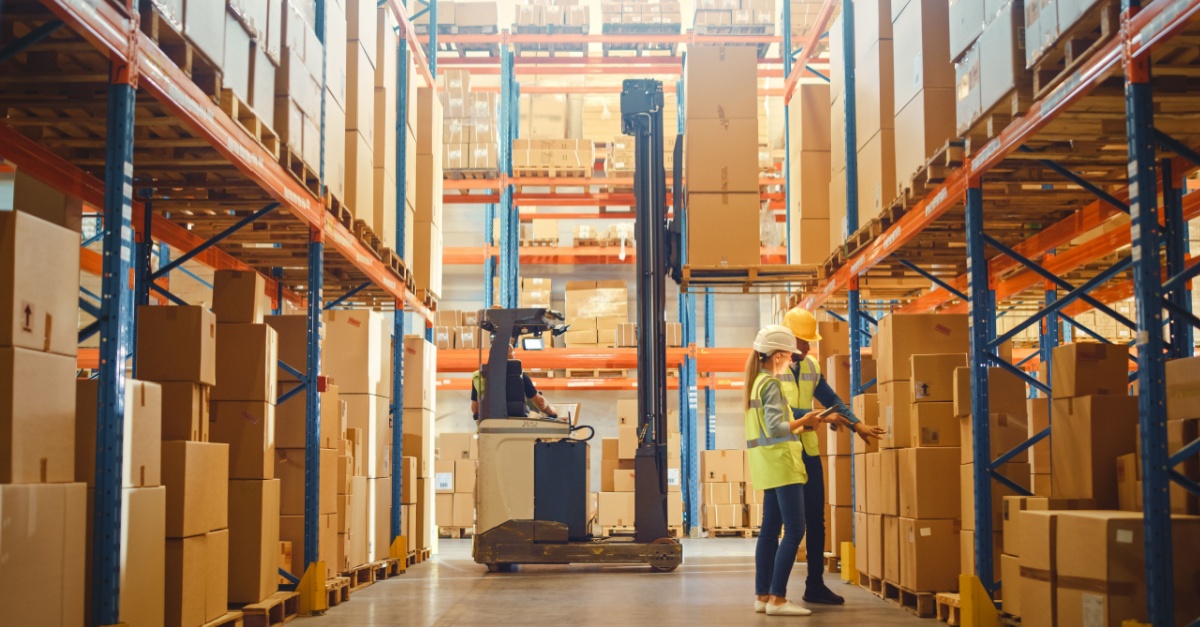
When stock arrives late, the fulfillment center cannot process items in time for carrier cutoffs. That delay forces some orders to roll to the next day, hurting customer satisfaction and increasing operational costs.
2999 East Pacific Commerce Drive Rancho Dominguez, California 90221
Oakland, CA


