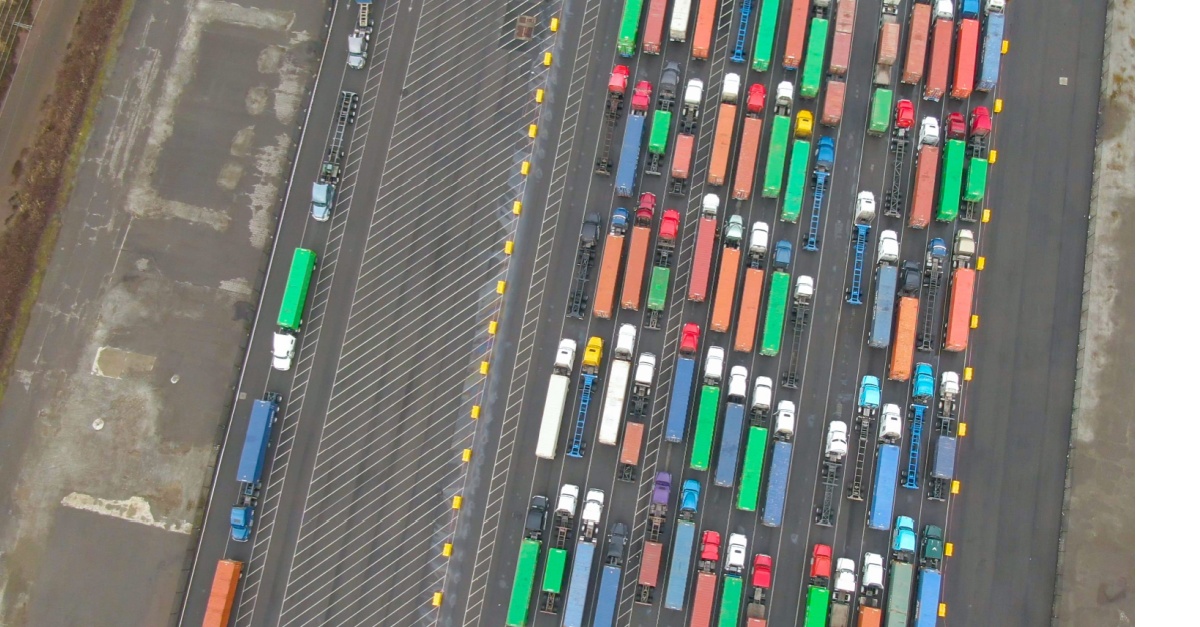
Shippers heavily involved in retail are often preoccupied with fulfillment centers and last-mile delivery, paying little attention to their inland transport processes. That kind of approach can be problematic because today’s retail demand can’t be met without fast, consistent, and flexible inland transport. It is the leg between the port and the distribution network, and it is often the slowest and most overlooked part of the retail supply chain.
Retailers that treat inland freight as a strategic lever rather than a side project or an annoying burden often operate more seamlessly with fewer complaints. In this article, we will explore how to leverage inland transportation to navigate the ever-changing retail landscape.
Inland transport is the bridge between ports and customers, the path your freight takes after leaving the port — whether it is heading to a warehouse in the Midwest or a regional hub in the Southwest.
In Southern California, the typical flow goes something like this:
1. Containers arrive at the ports of Los Angeles or Long Beach.
2. Transloading teams unpack or shift cargo into domestic trailers.
3. Truckload carriers or LTL providers pick up outbound loads.
4. Freight moves along corridors like I-5, I-10, or I-15 toward its next node.
Retail supply chains lean heavily on this handoff. If there is a delay or inland transport stalls for any reason, even a perfectly run warehouse or fulfillment center cannot keep up.
Inland transport is not just a backup plan. It carries the bulk of U.S. domestic freight by weight and value, making it the retail supply chain’s daily workhorse. The U.S. Department of Transportation’s National Freight Strategic Plan says, “Trucks carry nearly 72 percent of all domestic freight by weight and 73 percent by value,” which is the reality behind every store refill and every e-commerce drop. Delays in this segment can ripple through every downstream step.
Retail demands no longer follow predictable cycles. Promotions, same-day offers, and influencer-driven spikes can flood inventory systems within hours. Your inland transport process must be able to respond to these pressures rather than merely absorb them.
Here’s what retail shippers now expect from their freight:
1. Speed: Delivery windows have narrowed so much that even the average retailer is now expected to meet one- to two-day delivery zones across multiple regions. That means factors such as container dwell, delayed transloading, or slow truck dispatch can undermine this promise.
2. Visibility: Freight visibility isn’t a luxury. In today’s retail landscape, it drives inventory placement and marketing. Retailers want to know when a trailer will leave the port zone, arrive at a hub, or get delayed due to weather.
3. Flexibility: Drops in demand can cancel truckloads, and on the other hand, spikes can require added routes. Inland transport must support constant rerouting and reprioritization — especially for seasonal resets or viral product runs.
4. Predictability: While flexibility matters, reliability remains a core demand. Retailers structure promotions and store assortments around expected delivery windows because a missed window hurts revenue and erodes trust. Missing a truckload will cost money and, in most cases, lead to empty shelves that retailers cannot afford.
With over a third of the total U.S. imports landing in LA or Long Beach, ports in SoCal remain the busiest container gateways in the country. That kind of volume feeds the national market through inland routes, and some of the most important routes are:
When freight leaves Long Beach within 24 hours, it sets a faster pace for every stop ahead. That’s why waiting too long to kick-start inland transport only delays timelines, and retailers or shippers have to pay for it in the form of dwell fees, truck delays, and backordered SKUs.
But what typically slows down freight in inland transport?
Golden State Logistics was founded to avoid those slowdowns by operating near the ports with fast-access drayage, transloading, and inland routing in a single flow.
Retailers can reduce missed deliveries and accelerate their supply chains by redesigning how they manage inland transport. Here’s how:
Once your shipment or container arrives at the ports, every hour counts, which is why transloading delays accumulate quickly. If port drayage, warehouse teams, and outbound carriers aren’t aligned, freight stalls in trailers rather than moving to stores. To avoid this, smart shippers pair transloading with truckload planning.
That means:
For a retailer shipping high-turn goods like apparel or electronics, that setup can shave one to two days off delivery to key regions.
Retail doesn’t move in perfect full truckloads anymore. Split shipments, e-commerce drops, and regional assortments all lead to smaller freight pools. Consolidation solves this. By sharing trailer space with noncompeting brands headed in the same direction, shippers cut cost per mile and reduce half-empty runs.
But timing is everything. If your freight misses the consolidation window, you either delay the shipment or run partial loads. That’s why retailers benefit from working with providers like Golden State Logistics, which manages consolidation centers near Long Beach and Los Angeles. These hubs feed outbound lanes with flexible routing, matched by destination.
Consolidation is about timing. Match it right, and you reduce linehaul cost without missing delivery dates.
Retail isn’t static. Sales often skyrocket right before Mother’s Day, school openings, or Black Friday. To ensure customers are not left disappointed, inventory must hit the shelf on time rather than being stuck in a trailer two states away. For your inland transport to be efficient, you must secure trucking capacity weeks ahead of known surges, scaling back nonurgent lanes during demand dips, and routing freight by delivery priority, not just geography.
One common failure is overbooking the same carrier pool during peak weeks. If you’re shipping a retail reset to 200 stores across four zones, you need providers that can pull capacity from multiple hubs rather than just waiting for a return truck to take on the next load. Golden State Logistics builds this around each retail calendar, matching outbound lanes to store delivery targets and supply chain constraints.
Fast freight defines modern retail, and to ensure this, Golden State Logistics connects port arrivals to inland destinations in a single, coordinated loop. The company operates yards, cross-dock facilities, and a truck fleet within minutes of the LA and Long Beach terminals.
Here’s what that means for retail shippers:
More importantly, all these steps occur within a single control tower — no lost updates between providers, no mismatched schedules, and no excuses. Retailers like yours need freight to arrive when the campaign starts — not after returns arrive. Inland transport is how you make that happen. Golden State Logistics is how you make it work.
Inland transport is the gear that sets everything in motion. It affects your shelf availability, delivery speed, and customer promise. If you're still treating it like a secondary step, you’re already behind. Golden State Logistics keeps you ahead — port to consumer, lane by lane. Contact us today to get started.
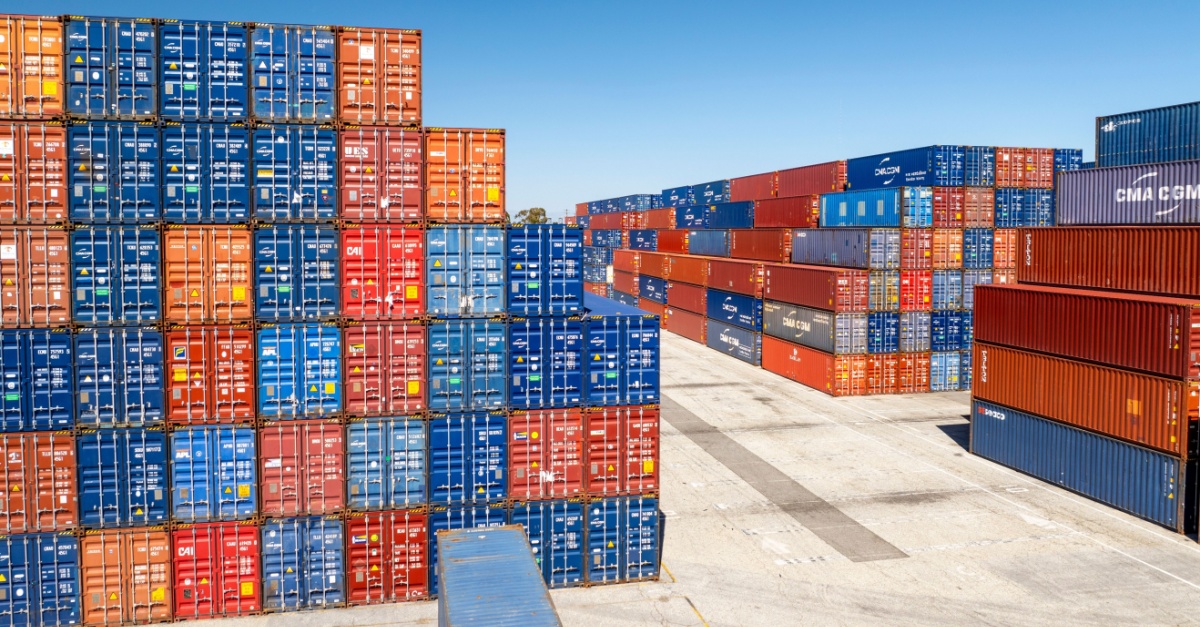
Transloading metrics have a real impact on daily freight decisions, but getting it right necessitates knowing what to look for. In busy regions like Los Angeles and Long Beach, seven transloading metrics matter most.
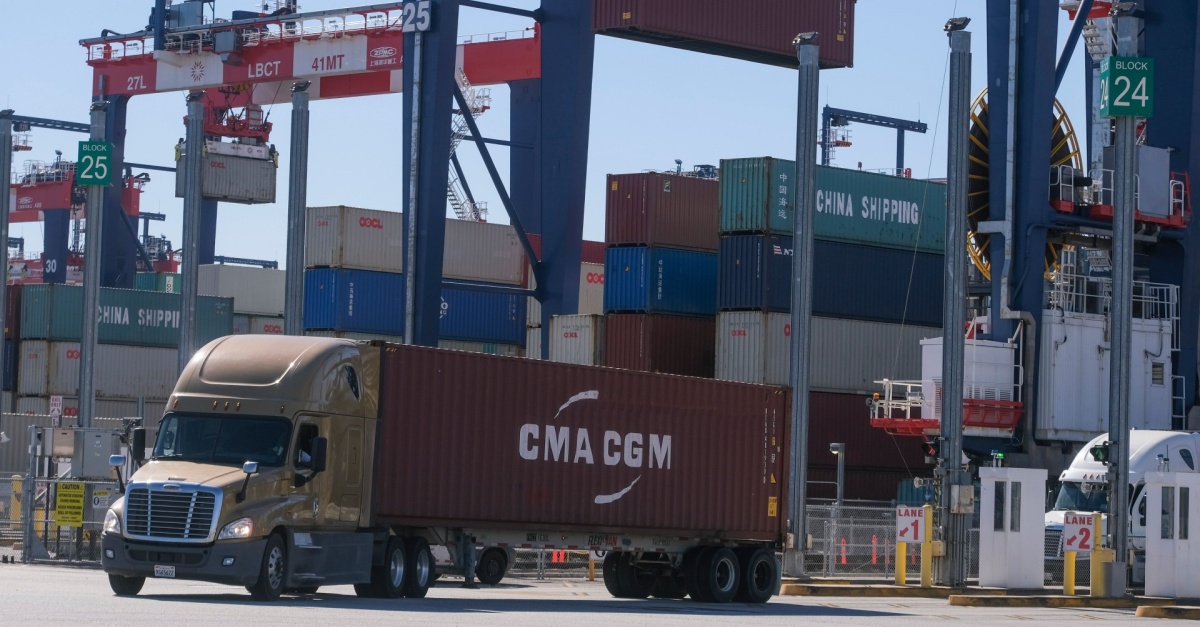
It is not uncommon to encounter crowded ports in Southern California. Moving the largest volumes in the country ultimately means that ships, trucks, and workers will compete for space.
2999 East Pacific Commerce Drive Rancho Dominguez, California 90221
Oakland, CA


