.jpg)
In Southern California, getting all pieces of shipping operations in order, including locked-in ocean rates, container availability, and customs paperwork, is important. But what really hurts your bottom line isn’t the ship, it’s what happens after the port. Inland transport decisions in Los Angeles and Long Beach determine whether you will end up wasting your money or actually getting ahead. Once your freight clears the terminal, every mile, delay, and mismatch adds up.
Inland transport is where supply chains either bleed or breathe. In this article, we explore how you can leverage smart planning in inland transport to mitigate your supply chain costs in SoCal.
Late planning creates chaos in your logistics and supply chain operations. Unfortunately, many shippers in SoCal wait until the container arrives at the port before considering inland movement. That delay costs them dock space, driver availability, and delivery slots. At the LA and Long Beach ports, congestion is routine. Appointment slots vanish quickly, and chassis shortages ripple across the region. Without a plan in place, shippers incur missed pickup fees, storage penalties, and detention charges.
Planning ahead for routing, transfers, and yard flow makes a difference. With the right plan, shippers can prevent extra miles, unproductive time, and missed handoffs. Here is how smart planning actually prevents waste:
Mapping smarter inland routes is the first step toward reducing costs. When trailers are sent across the region with overlapping coverage or half-empty loads, fuel is burned unnecessarily. Instead, group deliveries by geography, create stop orders that align with receiver hours, and plan backhauls with return cargo or empty chassis repositioning.
For example, consider a Southern California beverage distributor that sends trucks from LA to San Bernardino and then back to Commerce. By adjusting the route to loop through stops, the company can significantly reduce total mileage. This is especially important for Los Angeles trucking lanes, where traffic congestion makes every extra mile cost more than just fuel.
A major drain on freight budgets is the delay between handoffs. For instance, a container might sit at the port, waiting for a cargo transfer slot. Or worse, the trailer sits longer than anticipated in a yard because the inland driver wasn’t ready. To prevent such scenarios, schedule the transloading process before vessel arrival, align port drayage with inland dispatch, and preassign freight to outbound loads. This way you can reduce yard congestion and eliminate untracked delays.
Inland shipping breaks down when trucks wait too long. Detention at DCs is a quiet but deadly cost in Southern California, where appointment windows are narrow, and volumes are high. Drop-and-hook operations keep freight moving while dock doors catch up. Here’s how it works:
For high-volume brands in Ontario or Chino, for example, this model creates flow. A CPG shipper can switch to drop-trailer programs across two sites. That improvement wouldn’t just reduce detention, it would increase driver productivity, allowing the same truck to haul an additional load per shift.
Every misstep costs money. For instance, missing a delivery window can result in penalties for the retailer. Delayed container returns trigger more chassis fees, and idle trailers block yard space. The worst part? These costs don’t appear on the freight bill. Instead, they show up in lost margin, strained relationships, and extra admin hours. Moreover, chassis availability is already tight across SoCal. Once you miss your slot, you may have to wait days.
To ensure smart inland transport planning, you need better coordination. The right inland transport partner looks ahead and controls each step from the port gate to the DC dock. When selecting one, look for:
Golden State Logistics operates with this exact approach: drayage, transloading, and inland transport under one coordinated plan. That means fewer phone calls and fewer problems when the container arrives. With us, you will reduce idle time, missed transfers, and wasteful routing. Connect with us today, let's talk.
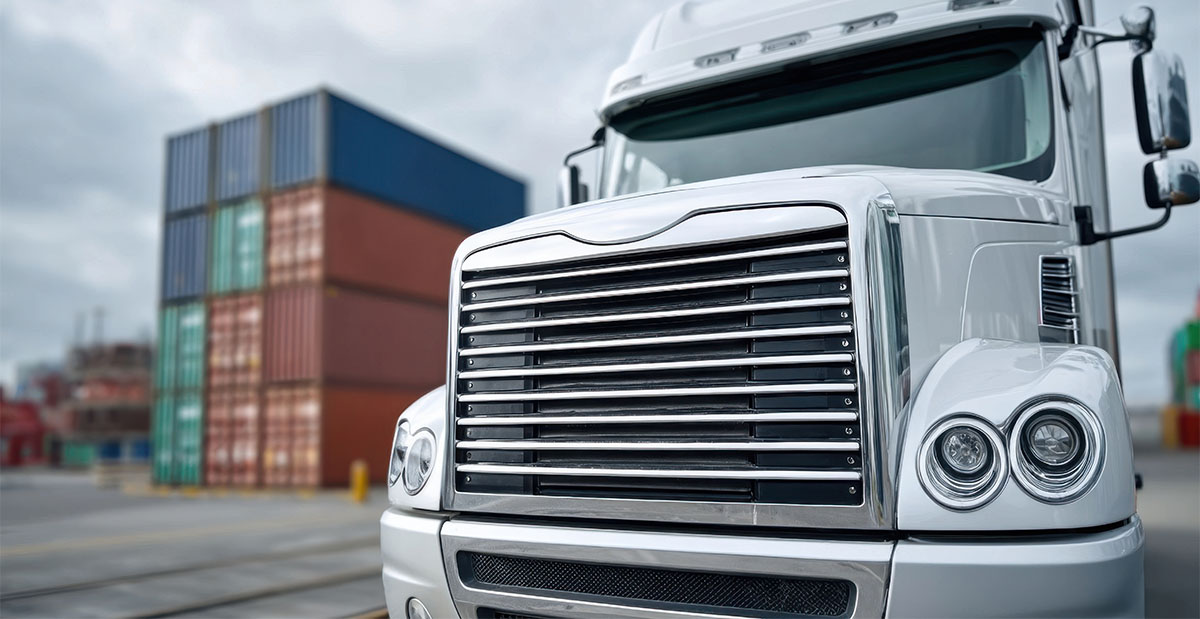
Port delays compound freight cost. And the fix requires proactive coordination and supply chain visibility at every touchpoint, from port to door.
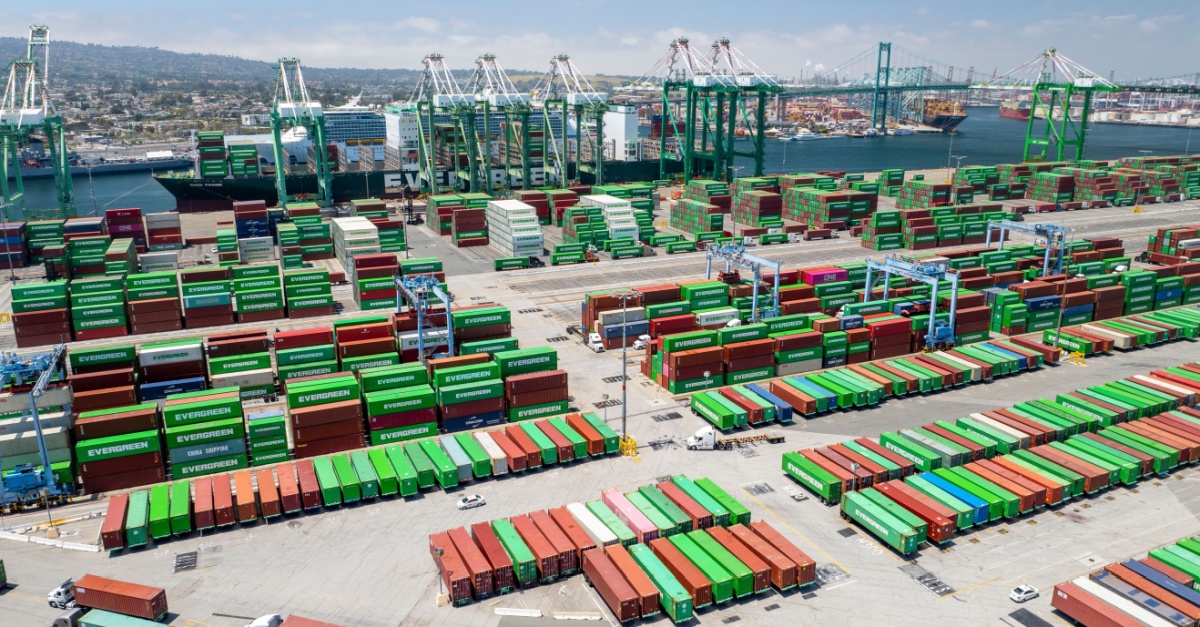
The cost of delays at ports is not just about time. Delays create additional costs and ripple effects that can find their way down the entire supply chain operation.
2999 East Pacific Commerce Drive Rancho Dominguez, California 90221
Oakland, CA


