
How cloud systems improve collaboration, centralize documentation, speed up decision-making, and support complex supply chain moves across drayage, warehouse, and inland networks.
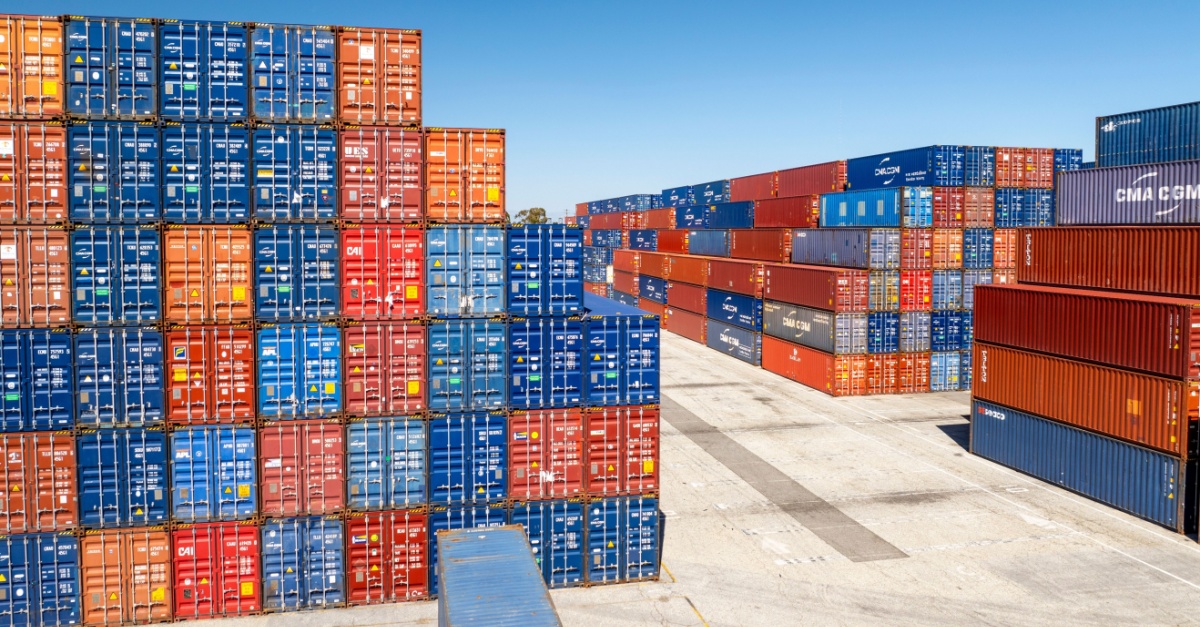
Transloading metrics have a real impact on daily freight decisions, but getting it right necessitates knowing what to look for. In busy regions like Los Angeles and Long Beach, seven transloading metrics matter most.
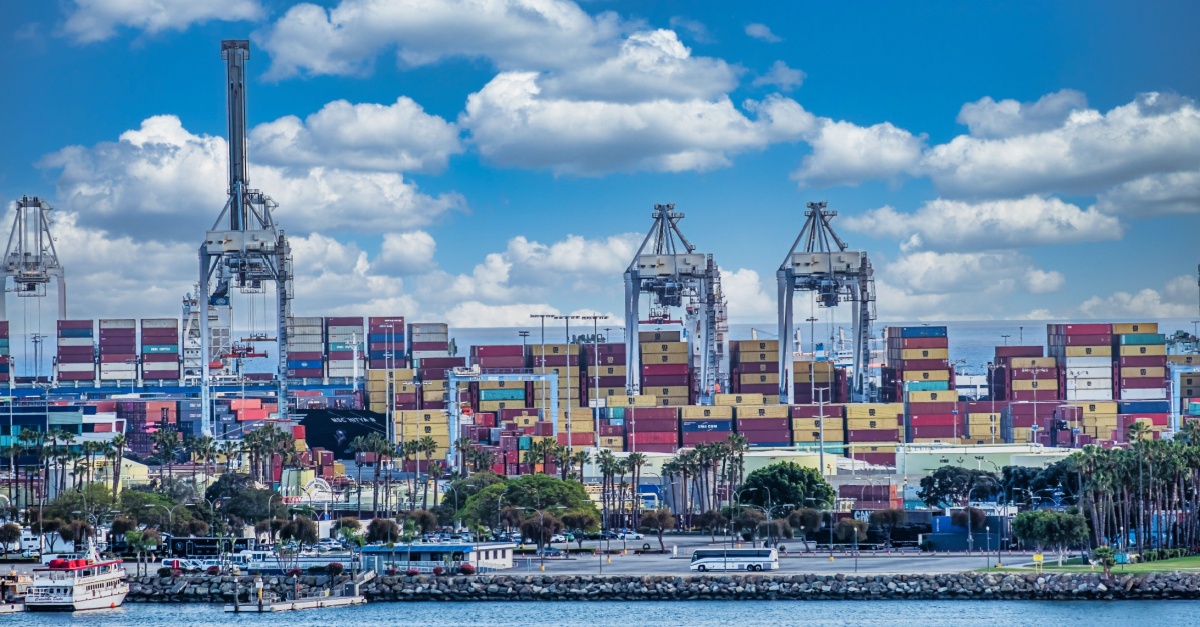
Golden State Logistics’ base near the ports of Los Angeles and Long Beach provides immediate benefits, including drivers being close, dispatch being familiar with regional quirks, and reduced turnaround times.
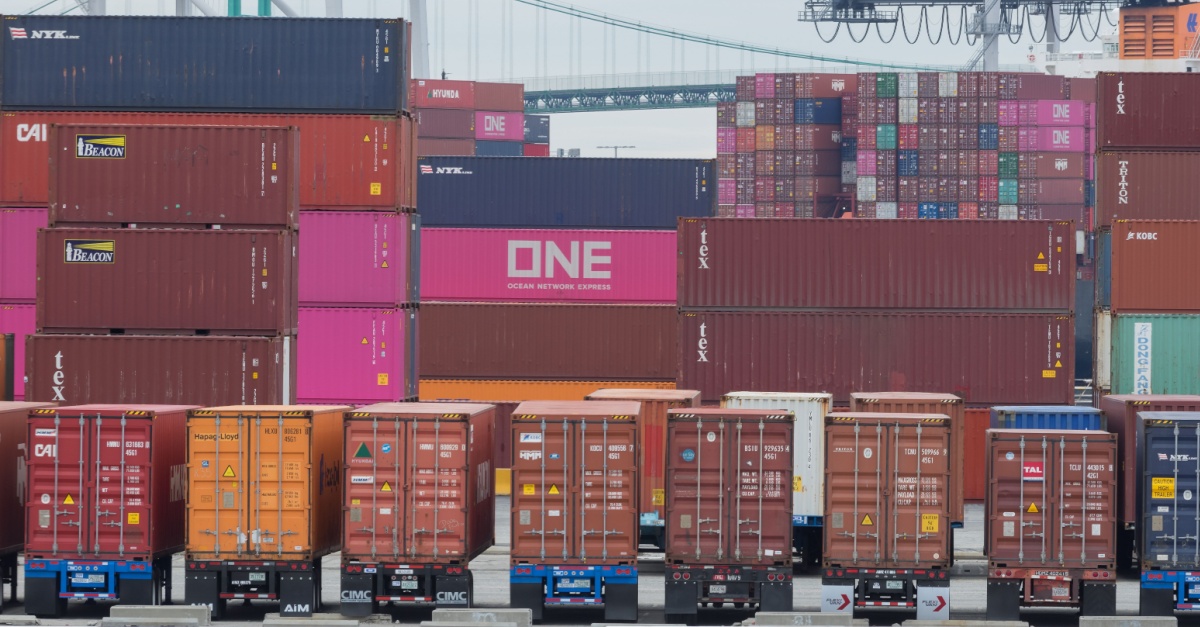
Smart transloading offers a way out: shifting cargo quickly and strategically between transport modes to cut inland miles, avoid detention charges, and move freight to market faster.
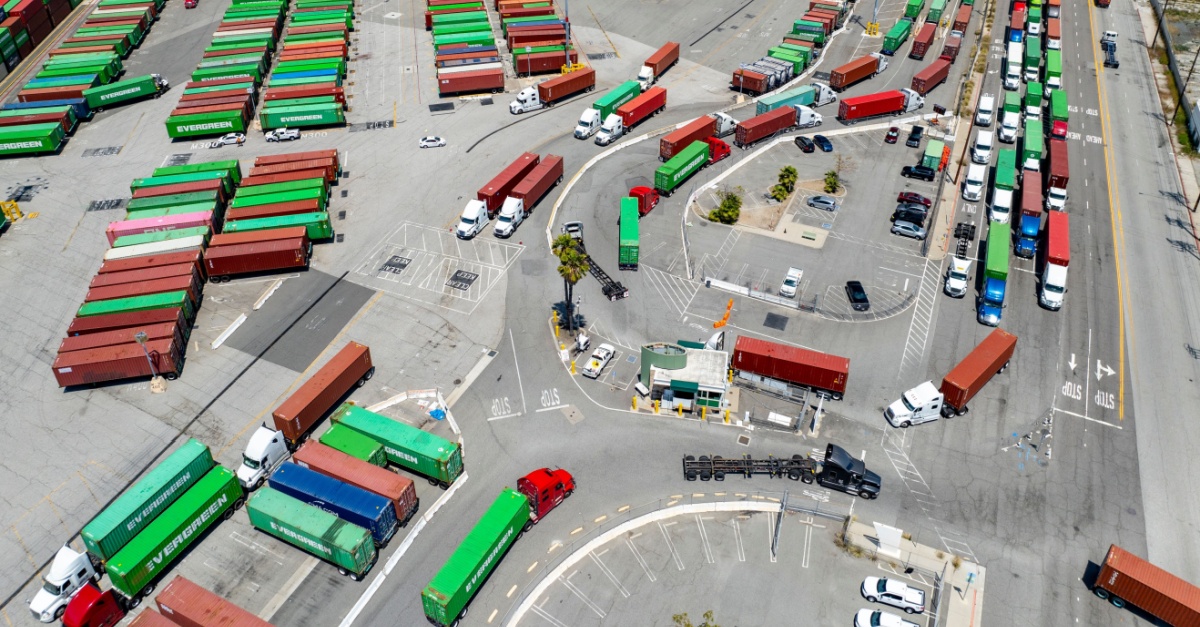
Buying one-off drayage services might sound smart, but it drains time and cash. A solid drayage partnership with a reliable partner expands reach and optimizes the entire freight network for enhanced control and efficiency.
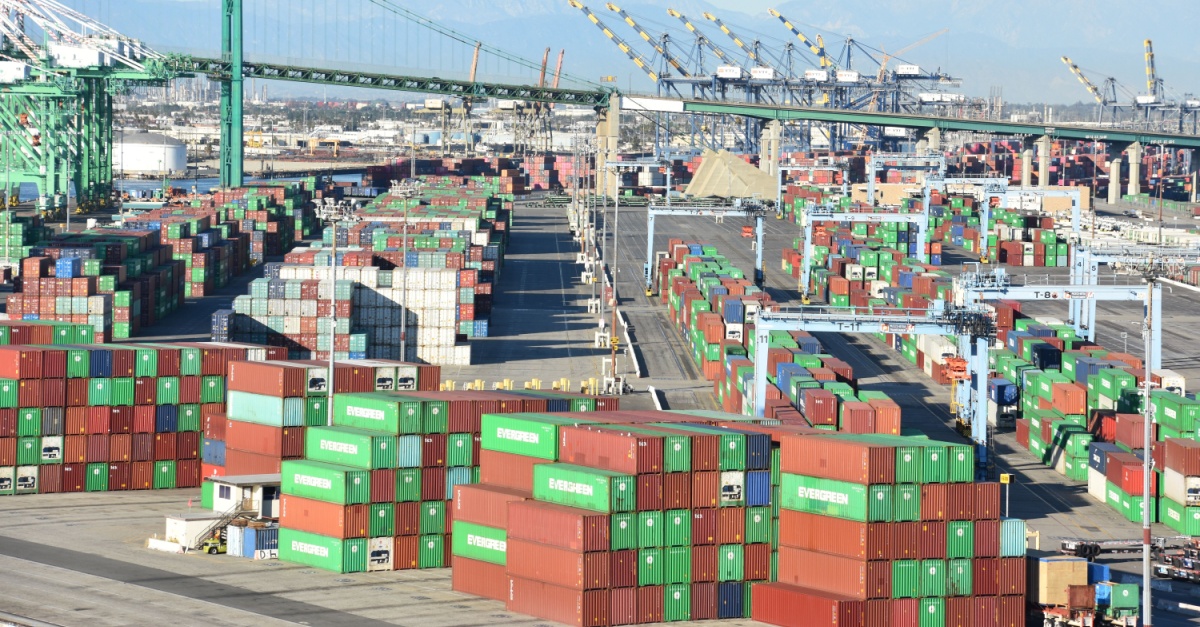
Seasonal shifts in Southern California inland transport aren’t subtle. The region’s dominance in containerized freight means even slight fluctuations can have massive ripple effects across the entire freight ecosystem.

Predictive analytics in logistics turns chaos into planned movement. Unfortunately, most shippers still wait for problems to arise before they act, which often results in additional fees, missed deadlines, and strained customer relationships.
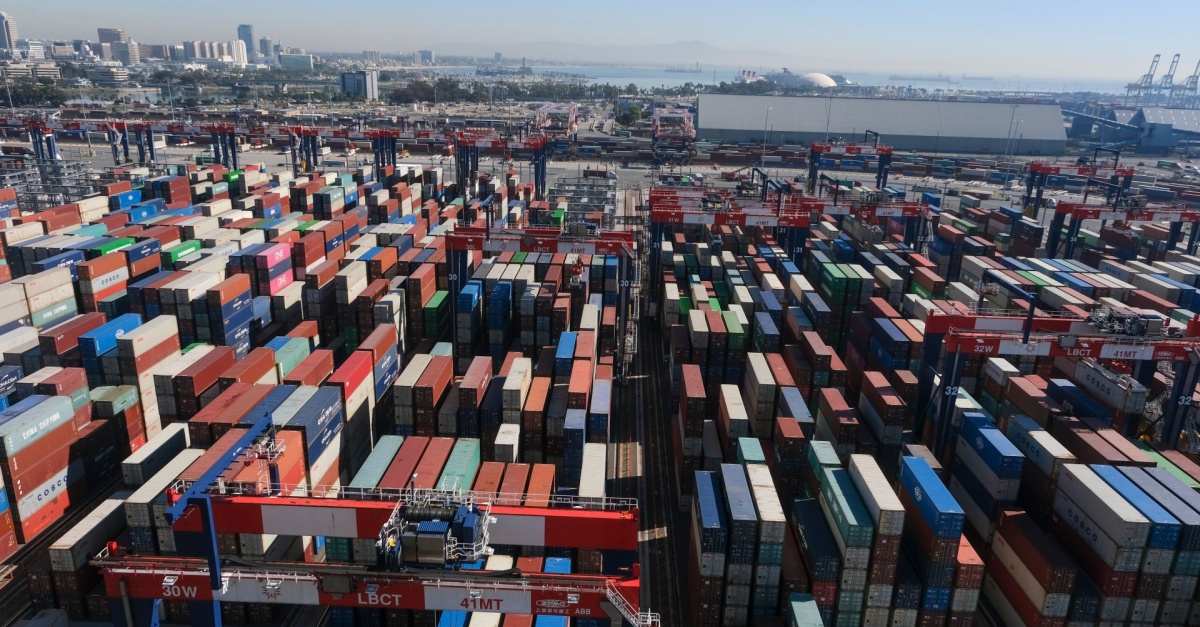
Transloading can be treated as an afterthought and a reactive step, resulting in a waste of time and resources, especially in high-container traffic zones like the ports of Los Angeles and Long Beach.
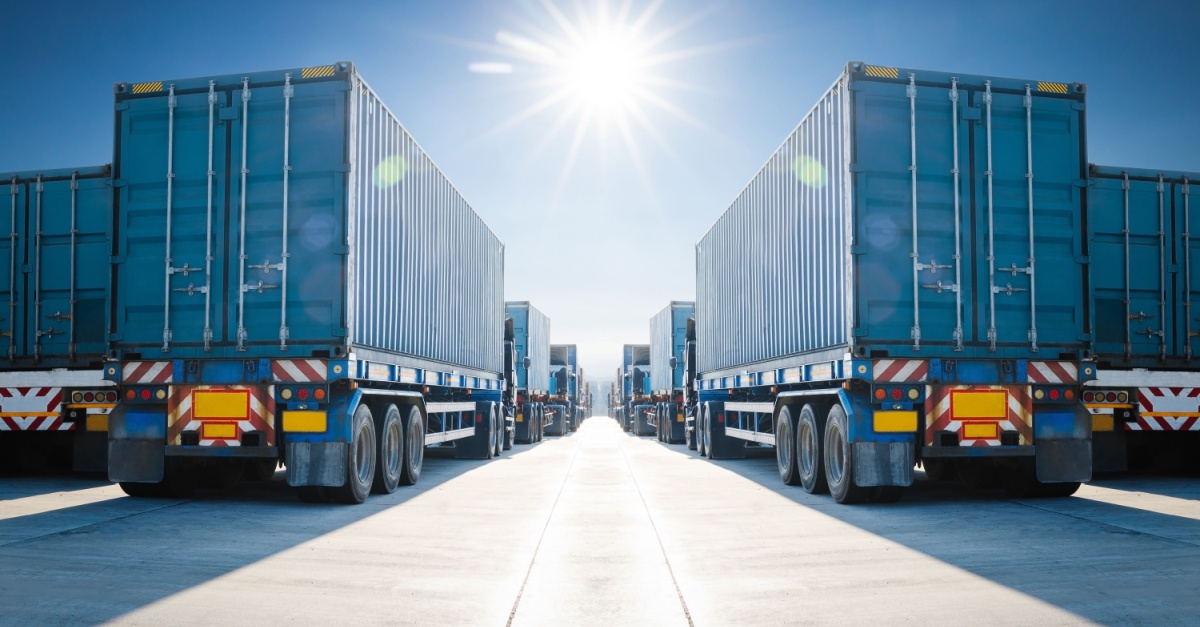
Volume‑leveraged drayage partnerships deliver lower inland freight costs, consistent capacity, and better supply chain control. When drayage becomes a planned process, not a necessary service, cost savings follow.
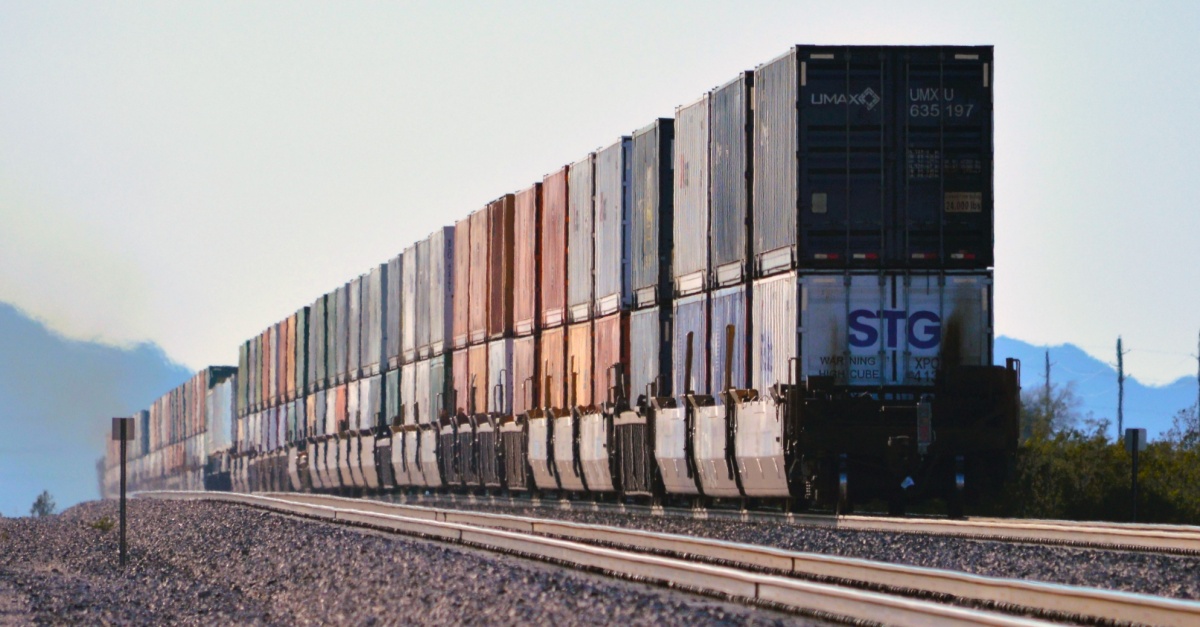
Shippers that treat inland transport as a series of disconnected tasks experience delays, inefficiencies, and consumer frustrations. Inefficient inland transport can result in missed delivery windows, demurrage, and cost spikes.
2999 East Pacific Commerce Drive Rancho Dominguez, California 90221
Oakland, CA


