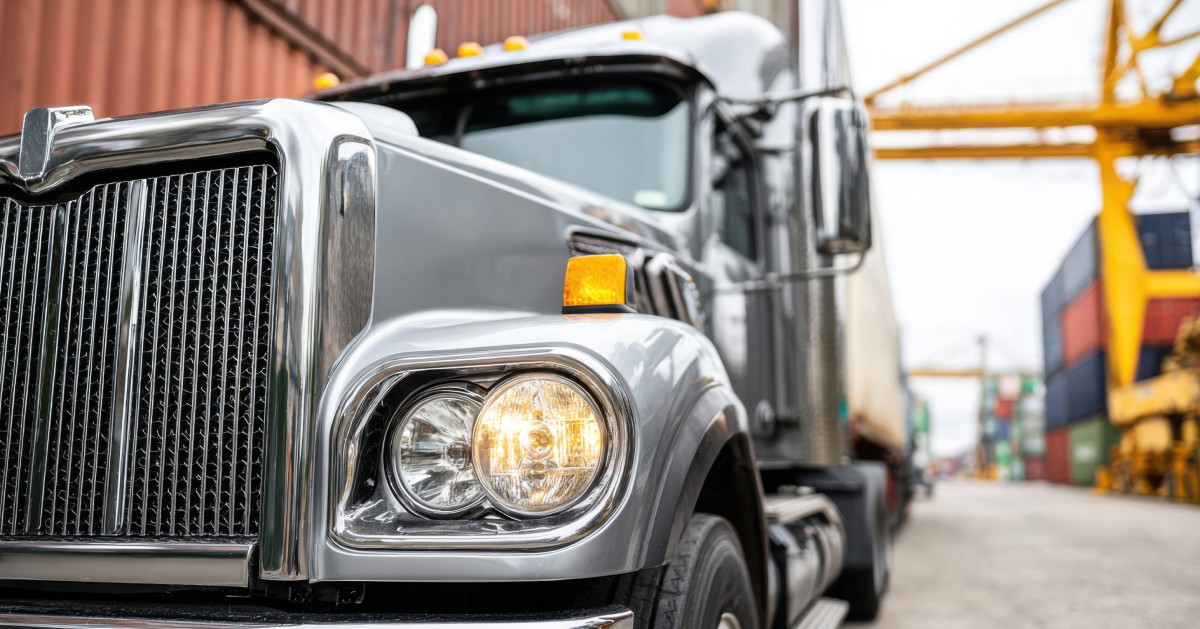
If the carrier owns its own chassis, the trucker doesn’t go to the IEP yard and get in line to pull a frame from the common pool.

The processes and infrastructures involved in moving goods within and into the country are different, and leveraging one for the other can create problems for the shippers and stakeholders involved

Ideally, port drayage is less complicated than other logistics operations because of the shorter freight moves. … However, there are regulations that if not properly navigated, can introduce complications into the entire process.
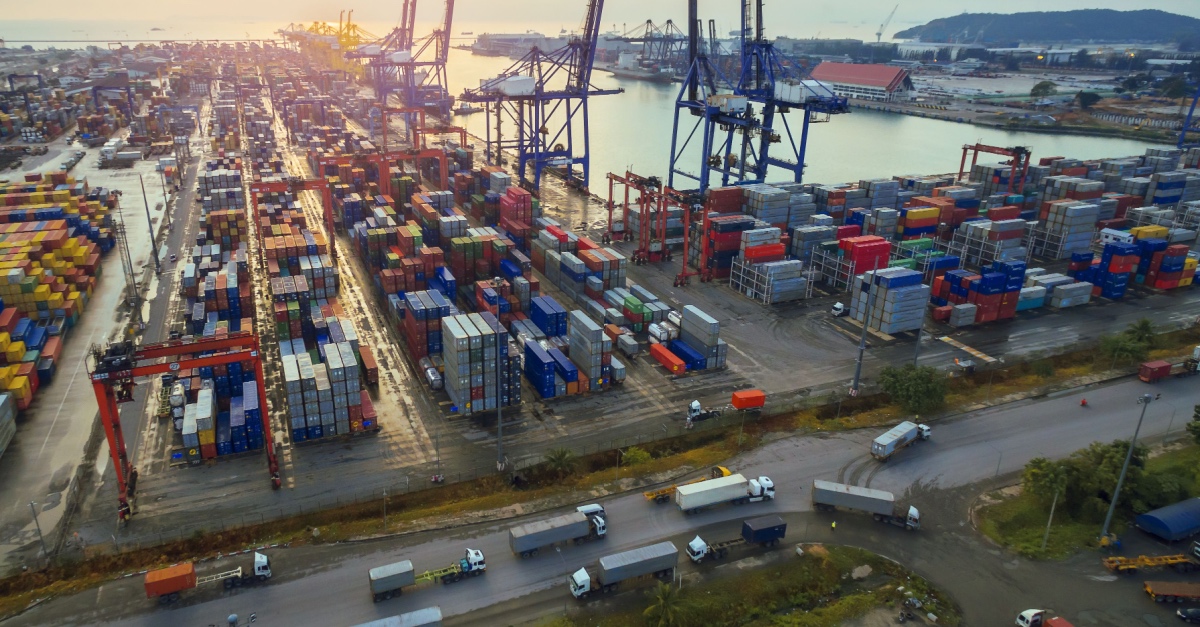
Modern logistics and shipping operations are looking for multimodal freight options to build redundancy into transport operations because of the endless disruptions impacting the industry.
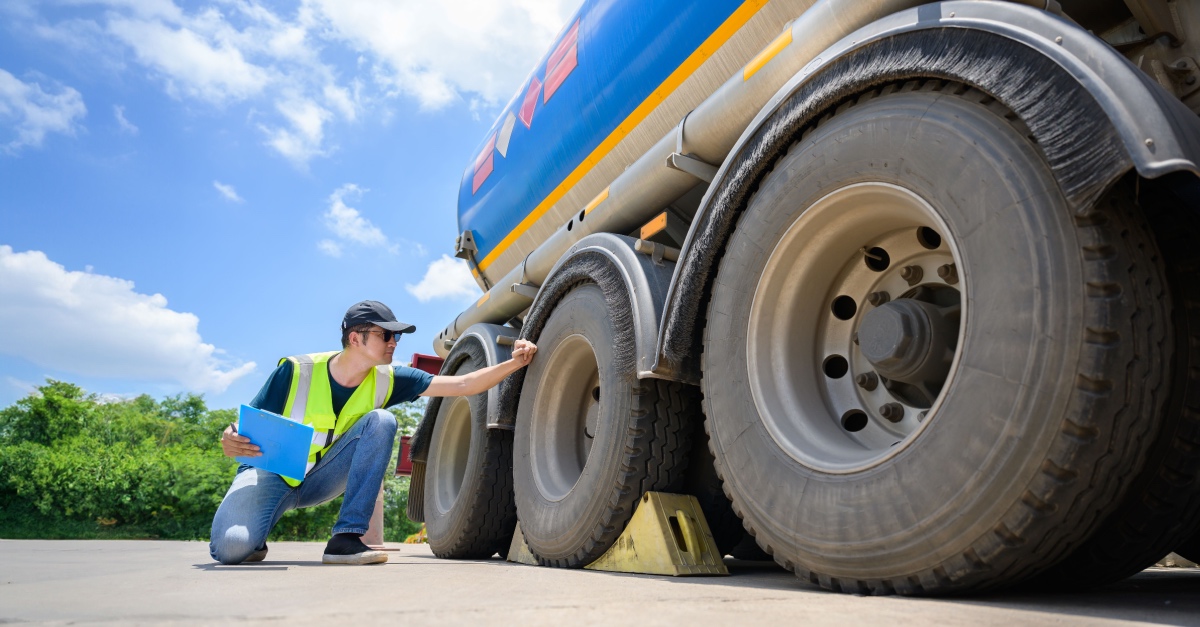
Moving goods across borders is just the first step in the logistics journey. What comes next is just as critical — ensuring those goods reach their final destinations within the country. This is where inland transportation becomes indispensable.
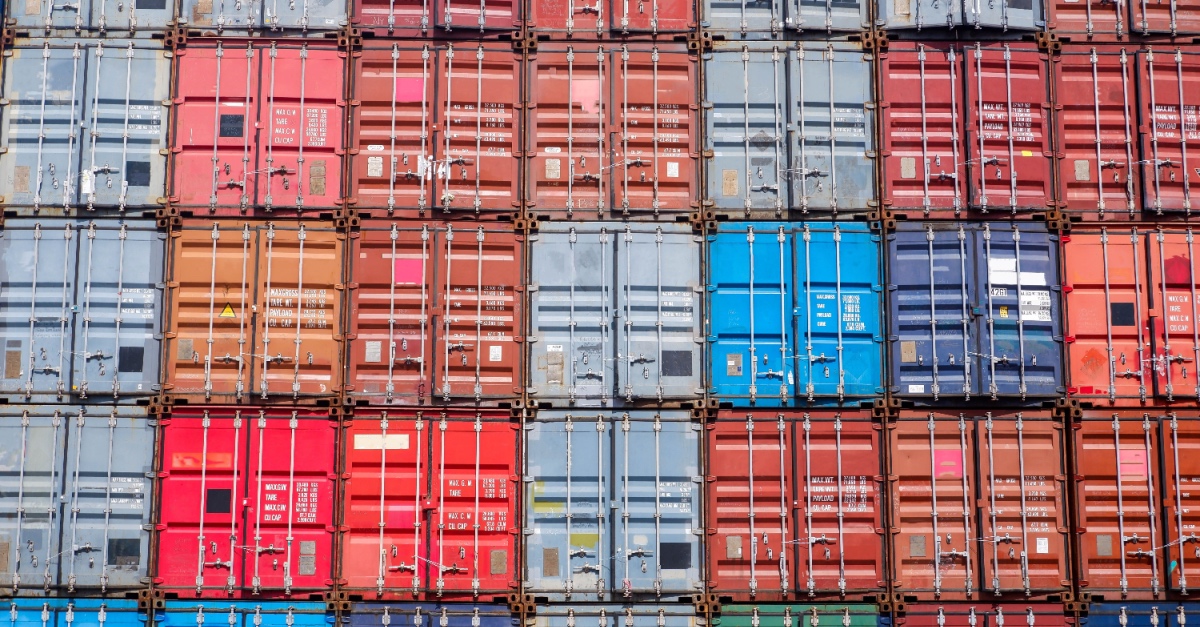
Shipping operations are increasingly complicated, and when there is a delay or mistake in managing the flow of containers at the ports, it will often lead to demurrage and detention fees.
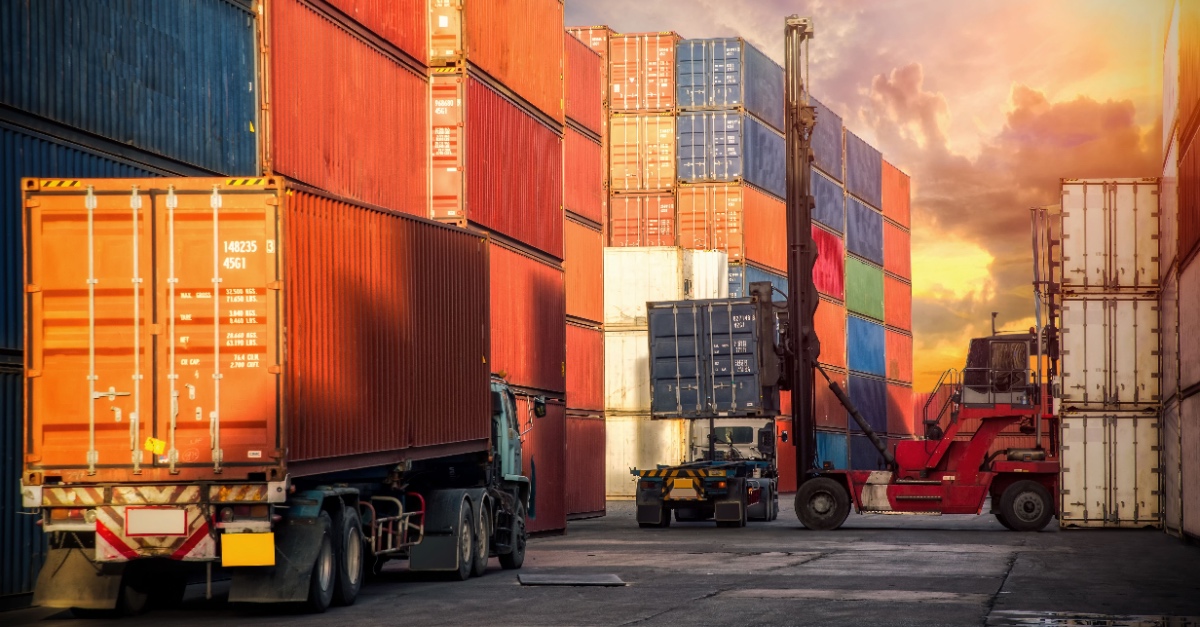
Transloading services offer flexibility and resilience through seamless transitions between transportation modes. By incorporating technology and forward-thinking strategies, transloaders can offer your business a competitive edge that enhances supply chain efficiency and cuts costs.

Tech solutions like real-time tracking, automation, and predictive analytics empower logistics managers by enhancing their ability to maximize the efficiency of inland transportation.
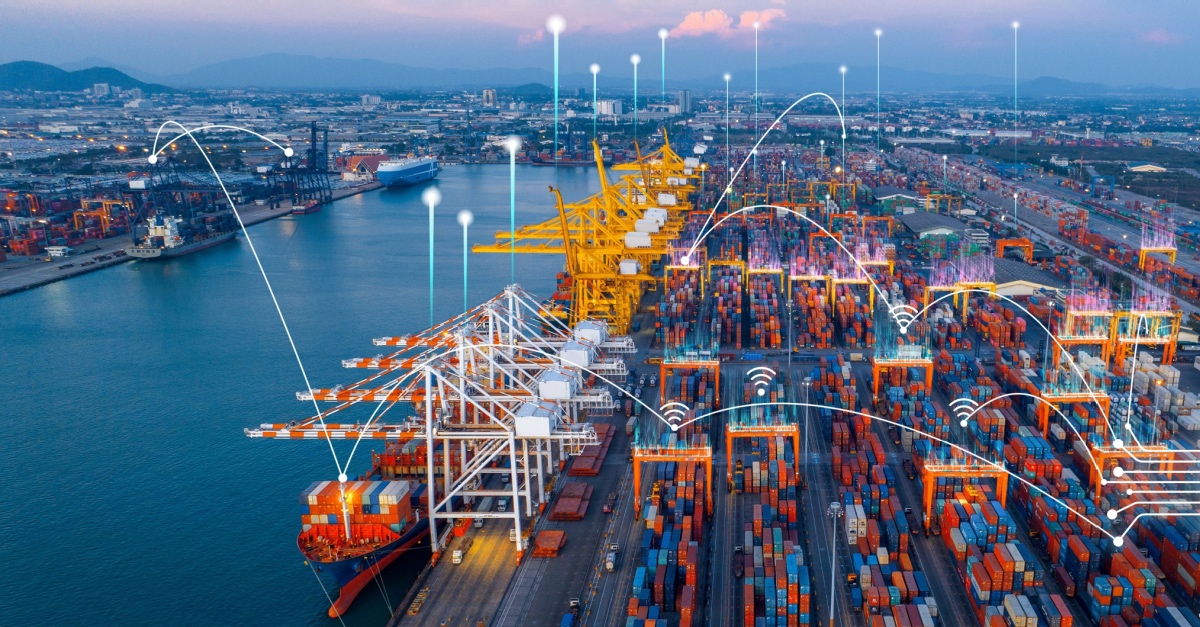
Poor control over the port drayage operations can lead to delays, disruptions, and downtimes in the supply chain. The financial implications alone can be devastating for any business. That is why technology has become so integral to port drayage logistics.
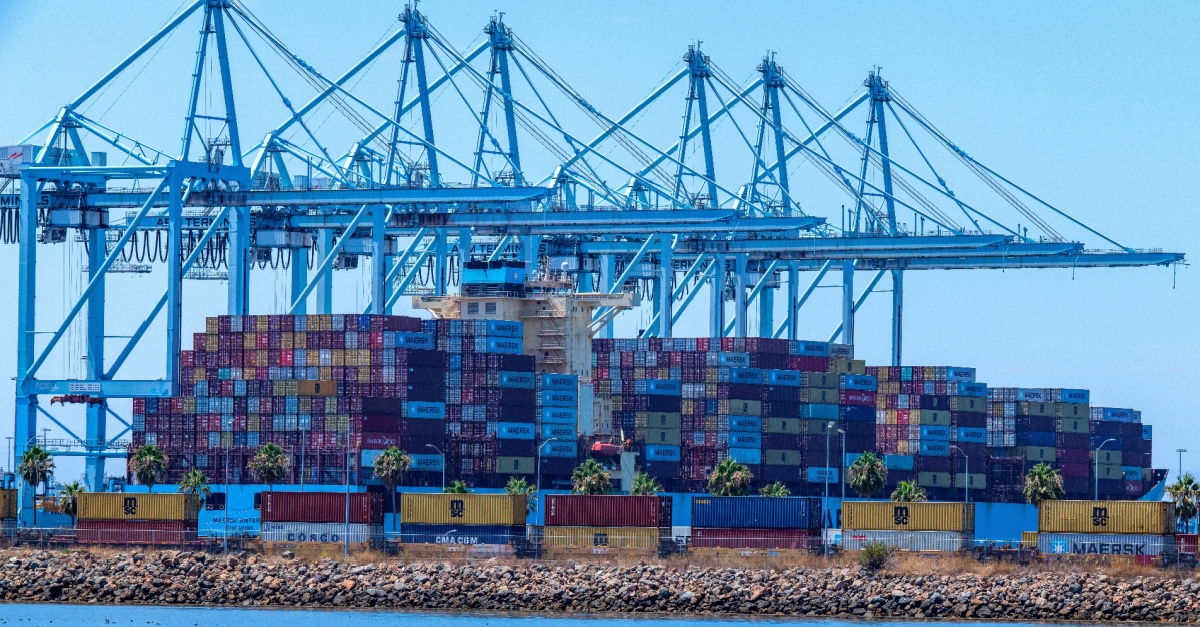
Through transloading, businesses can streamline cargo movement, reduce costs, and offer flexibility that traditional shipping methods often can't match. It is especially relevant at the Los Angeles and Long Beach ports, two of the busiest ports in the country.
2999 East Pacific Commerce Drive Rancho Dominguez, California 90221
Oakland, CA


