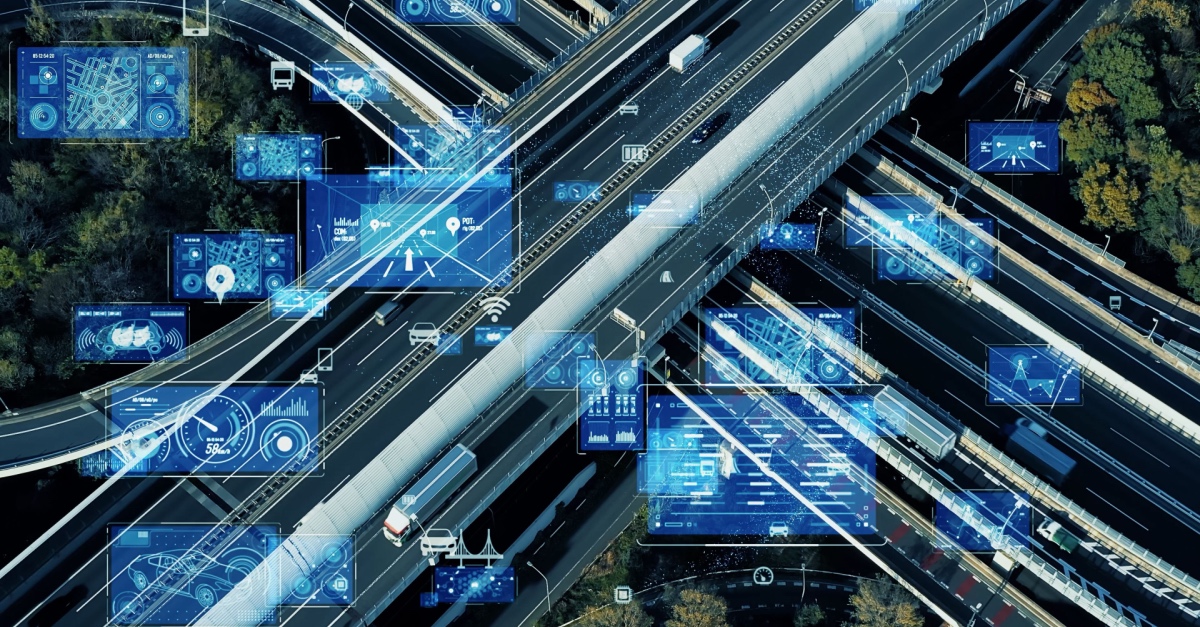
More than ever, inland transportation has become integral to the successful flow of goods within global supply chains. However, as more of these supply chains rely on it, various inefficiencies will likely abound. These include delays, high operational costs, and a lack of real-time visibility. All of these factors can make it challenging for businesses to fully maximize their benefits, leading to disruptions that could impact delivery times and customer satisfaction.
This is why technology is increasingly critical to the businesses involved. Tech solutions like real-time tracking, automation, and predictive analytics empower logistics managers by enhancing their ability to maximize the efficiency of inland transportation. These solutions can achieve that by reducing operational costs, improving decision-making, and significantly enhancing service delivery for shippers and customers, providing a sense of reassurance and satisfaction.
It is not uncommon to find inland transportation riddled with delayed communications and limited visibility into operations. So much so that truck drivers and transloading operations are forced to endure long wait times without an end in sight. Then, there are issues of reactive solutions rather than proactive ones, which can eventually cost the supply chains dearly.
Eventually, these problems only compound, disrupting the flow of goods and potentially crippling the entire supply chain management operation. The ripple effects are wasted resources, dissatisfied customers, and inflated operational costs that could negatively impact the bottom lines.
Technology remains a critical solution to the challenges and complications that tend to impact the success of inland transportation. With it, businesses and other supply chain stakeholders can enjoy streamlined control and reduce idle time across the entire process.
Here are some of the ways that can be possible:
Real-time solutions and applications have transformed logistics from a majorly blind operation to one with visibility that could span the globe. GPS and telematics continue revolutionizing the industry by providing accurate and complete information such as temperature, location, ETA, and driver behaviors — all in real time.
This way, more shippers and supply chain stakeholders can better plan corresponding processes effectively. They can effectively schedule resources, anticipate delays, and adjust plans when necessary. Geofencing is another tool that has become increasingly critical for logistics operations because it reduces bottlenecks across the logistics process by informing operators of the movement of the shipments at crucial points.
Promoting visibility is not just about control for businesses; it is also a major tool for promoting transparency. It achieves this by keeping customers in the loop regarding operations. That way, they can trust whatever information the customer service team relays.
Automation is key for reducing manual errors and seamlessly navigating bottlenecks that can slow the logistics or delivery process. It is usually preferred for repetitive tasks prone to errors and brain drain for humans. Increasing automation in the logistics process in areas such as sorting, picking, and route optimization can help people in the supply chain become much more efficient.
Integrating various aspects of the logistics operations with electronic data interchange (EDI) and application programming interfaces (APIs), breaks down operational siloes, allowing for a seamless flow of information leading to a more cohesive and efficient operation.
Predictive analytics is increasingly crucial for businesses to ensure a seamless flow of goods throughout the supply chain, especially in anticipating and managing exceptions. By analyzing historical data and current trends, these solutions can help with demand forecasting, route planning, and risk mitigations. This way, the business has to contend with fewer risks while enjoying better resource allocation and process optimization. Ultimately, the goal is to improve efficiency and operational performance.
Custom reporting and data analytics enhance shippers' ability to track performance metrics and make informed decisions. Automated reports offer detailed insights into transportation flow, costs, and delivery times. This enables companies to reduce the time spent on manual analysis while gaining valuable information that can drive better performance.
Leveraging tech solutions in inland transportation plays a crucial role in advancing sustainability. Optimized routes will lead to less fuel consumption and fewer greenhouse gas emissions, naturally leading to cleaner and more eco-friendly operations. The optimized resource allocation these tech solutions offer can also help reduce waste, another significant contributor to the deteriorating environmental health.
Golden State Logistics leverages a team of experts and state-of-the-art technology solutions to offer you seamless inland transportation solutions. We provide reliability through quality service and on-time deliveries, leveraging tracking and data insights for greater efficiency. This way, you have drayage logistics solutions offering port efficiency and flexibility that will deliver solutions that fit your needs. Get in touch with us today.
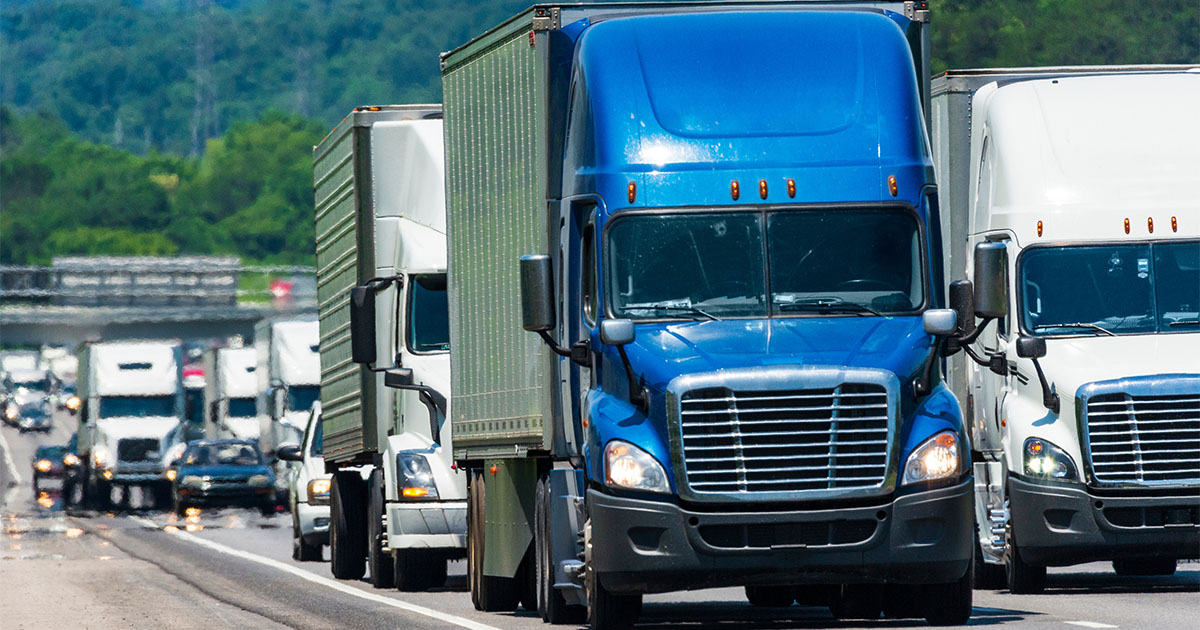
A driver who leaves the port at 5 a.m. on a Tuesday has a completely different experience from one who leaves at 3 p.m. on a Thursday.
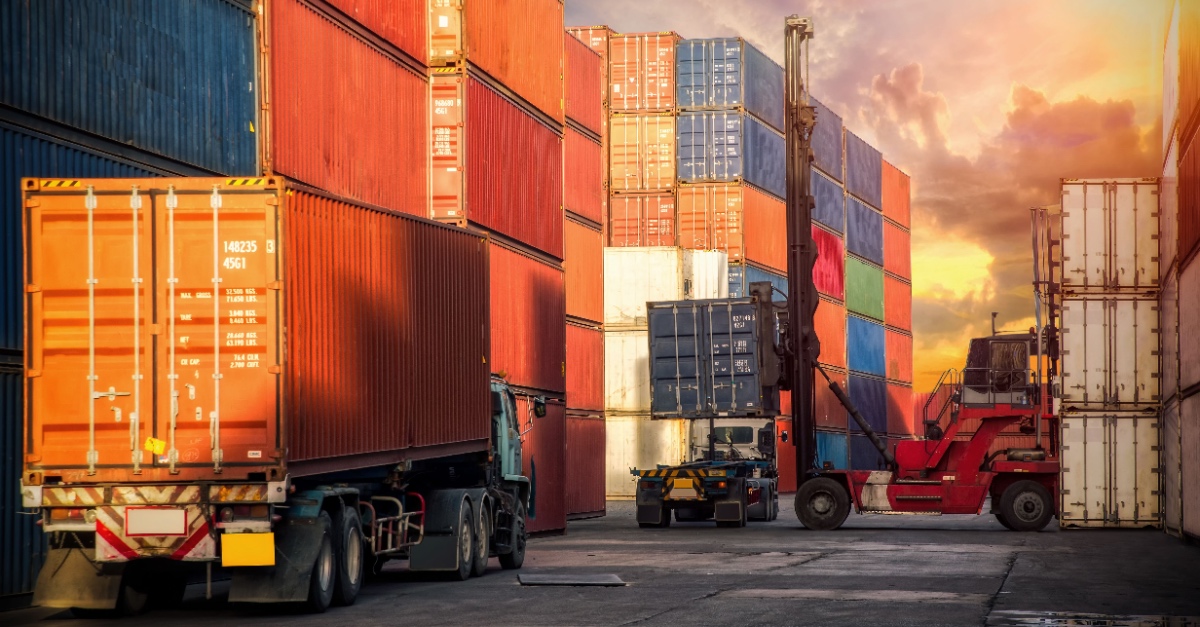
Transloading services offer flexibility and resilience through seamless transitions between transportation modes. By incorporating technology and forward-thinking strategies, transloaders can offer your business a competitive edge that enhances supply chain efficiency and cuts costs.
2999 East Pacific Commerce Drive Rancho Dominguez, California 90221
Oakland, CA


