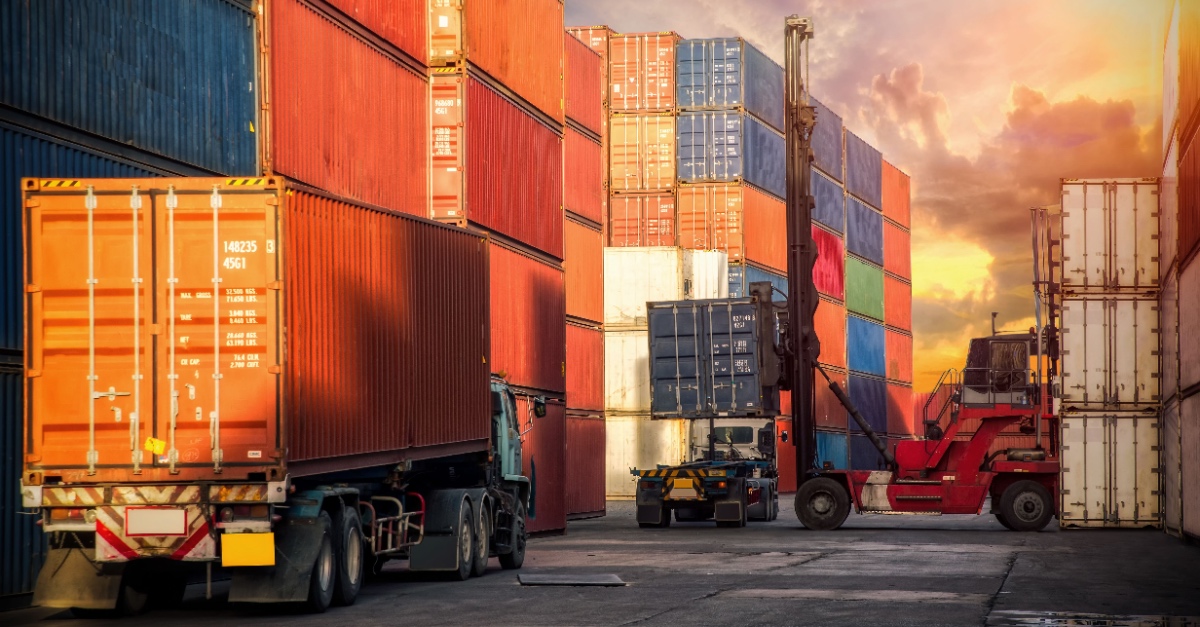
Global supply chains continue to face growing complexities that are increasingly disruptive. Recently, we saw a port labor strike that impacted some of the country's major ports across the US East and Gulf Coast. Even though it was short-lived, the ripple effects impacted operations at Long Beach and Los Angeles ports with historically high import arrivals -- meaning several unsuspecting supply chains were disrupted. Within the same year, we have seen infrastructure failures and geopolitical crises that continue amplifying the need for supply chain flexibility. One of the ways to achieve that is through robust transloading operations.
Transloading is a strategic logistics and shipping solution that has proved indispensable in helping businesses manage these complications, especially after experiencing the rigors of port operations. Transloading services offer flexibility and resilience through seamless transitions between transportation modes. By incorporating technology and forward-thinking strategies, transloaders can offer your business a competitive edge that enhances supply chain efficiency and cuts costs.
For the last few years, there has been one geopolitical crisis after another, but if that were all, supply chains would have had some breathing space. Across Europe and in some parts of Asia, ports continue to face rising congestion. This year alone has seen infrastructure failures, labor strikes in the United States, and inflation impacting demand. All of these have led to delays and complications in the flow of goods. They highlight a need for responsive and flexible supply chains that can react quickly, and one of the ways to do that is by seamlessly adapting to the available modes of transportation.
Transloading plays a crucial role in this adaptability, allowing for fast transitions between different transportation methods — such as moving freight from trucks to rail or ships — enabling goods to bypass bottlenecks and continue toward their destinations without lengthy delays. This capability is especially critical for the business when time-sensitive deliveries are involved. Sometimes, there may be a need to reroute cargo due to disruptions. Transloading has become a vital option shippers leverage to maintain continuity and reliability, even when the supply chain is under stress.
Although it is not uncommon to see logistics and supply chain operations get into trouble, such as delays and rising costs, shippers have been able to leverage transloading repeatedly to circumvent these problems.
Here is why it remains a necessary tool for supply chains across the globe:
Transloading streamlines shipment movement, allowing continuous cargo flow rather than leveraging prolonged storage, idle equipment, and excessive labor. This way, there is less idle time that could impact the security and finances of the businesses involved. Ensuring continuous movement also negates the risk of demurrage and detention, especially for congested ports like Los Angeles and Long Beach.
Leveraging transloading services and the right transloader(s) facilitates faster transitions between transportation modes, which minimizes delays across the entire logistics process. When there is congestion or unexpected logistical challenges at Los Angeles and Long Beach ports, shippers can leverage these transloading services to seamlessly reroute goods without disrupting schedules.
Whether using air freight, trucking, rail services, or shipping solutions, there are many cases when the receiving terminals could be overly leveraged. There are also situations whereby the infrastructure cannot cater to the shipments, and insisting on using them exposes the supply chain to the risk of delays. However, with transloading, all of that can easily be avoided, leading to a seamless flow of products.
Technology is key in optimizing transloading operations. Companies like Golden State Logistics offer real-time visibility and greater control over the process through tech tools and solutions. These include GPS tracking and geofencing, which help monitor shipments, provide live updates on cargo movements, and ensure precise coordination between transportation modes.
Additionally, integrating digital systems like Electronic Data Interchange (EDI) and Application Programming Interfaces (APIs) allows for smoother information flow between different stakeholders in the supply chain. These technologies enhance the reliability of transloading by enabling real-time decision-making and reducing the risk of miscommunication or delays.
Transloading offers a significant advantage by allowing businesses to adapt to changing supply chain demands quickly. Shippers can better meet delivery timelines by shifting between transportation modes on short notice, especially when disruptions occur. This flexibility is particularly valuable in reaching inland destinations faster, bypassing infrastructure issues, or addressing labor-related delays at key ports.
GSL offers its partners transloading a competitive edge by integrating advanced tracking systems and real-time updates that ensure shippers maintain complete visibility over their supply chain. This allows them to adapt to sudden changes without sacrificing efficiency.
Considering how critical transloading is, optimizing them is not just a smart strategy but a necessity. And you cannot do it without the right partners or relevant tech solutions. The same is the case with transloading. To ensure you unlock the full potential of your transloading operations, get in touch with us today.

Capacity planning in drayage correctly identifies the volume of incoming cargo. It allocates resources to ensure that the cargo is immediately transported to the next step of the supply chain.

Transloading connects directly with the drayage leg. It doesn’t happen in isolation, which is why a short, well-timed drayage move keeps the whole chain going.
2999 East Pacific Commerce Drive Rancho Dominguez, California 90221
Oakland, CA


