If the carrier owns its own chassis, the trucker doesn’t go to the IEP yard and get in line to pull a frame from the common pool.
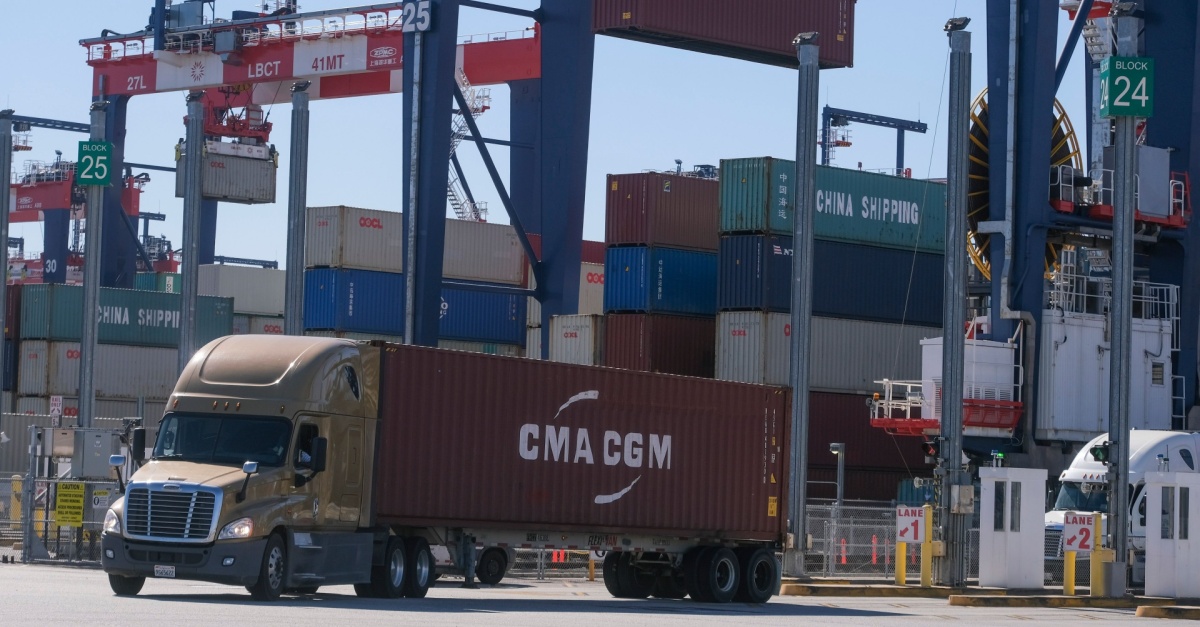
It is not uncommon to encounter crowded ports in Southern California. Moving the largest volumes in the country ultimately means that ships, trucks, and workers will compete for space.
Despite the innovation in logistics and transportation processes, long-haul inland transportation is still a headache. Unfortunately, shippers are paying the price, constantly struggling with late deliveries, high costs, damaged goods, and unpredictable delays.
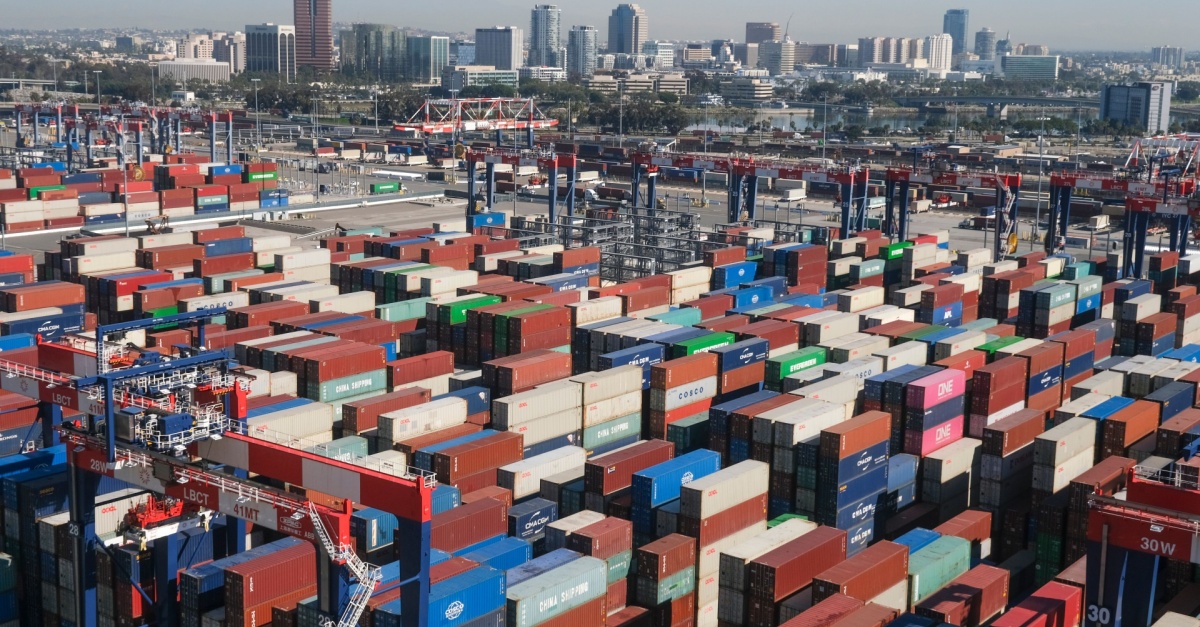
Port drayage operations connect ocean freight to inland logistics networks, making it a key link in global trade. However, it can be overly complicated, making port drayage partnerships so critical today.

In essence, transloading is the process of transferring goods from one mode of transportation to another during the shipping journey. Transloading freight enables shippers to optimize logistics, cut transit times, and lower expenses.

Shippers leveraging data analytics in the inland transportation process can use the valuable insights to improve efficiency, reduce costs, and maintain high service level standards.
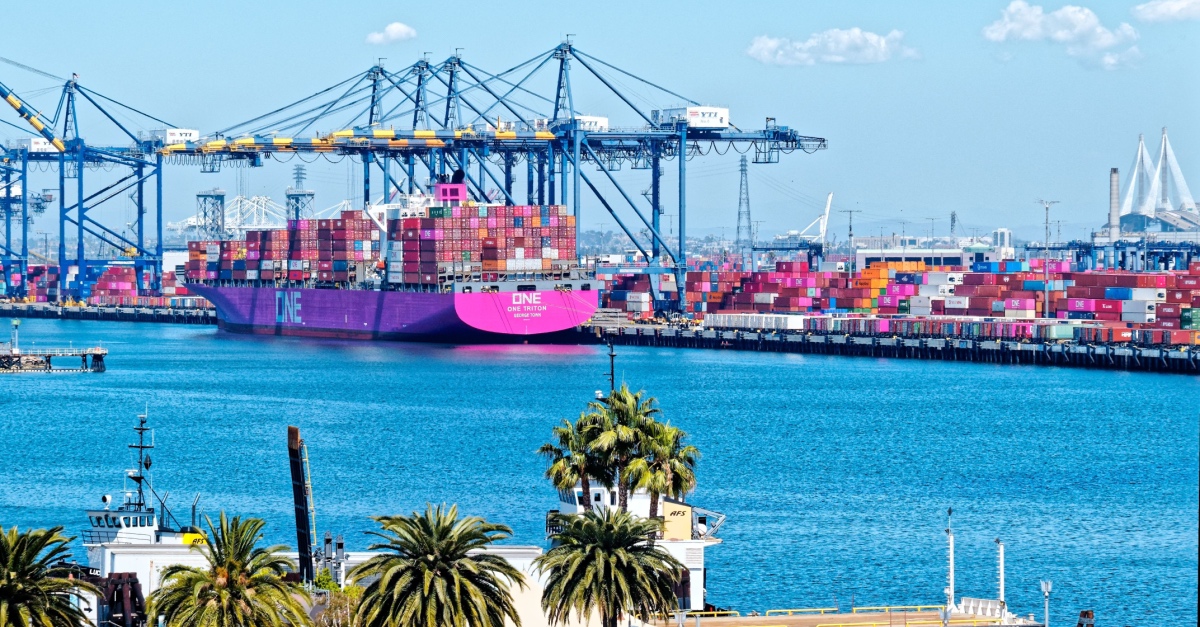
With rising freight costs and complexities, an average logistics operation can greatly benefit from leveraging multimodal transport options, adding much-needed redundancy to transport moves. Central to such an exercise is transloading.

Inland transportation — including trucking, rail, and barge systems — is a critical component of global supply chain operations, with a far-reaching impact on national and regional logistics.
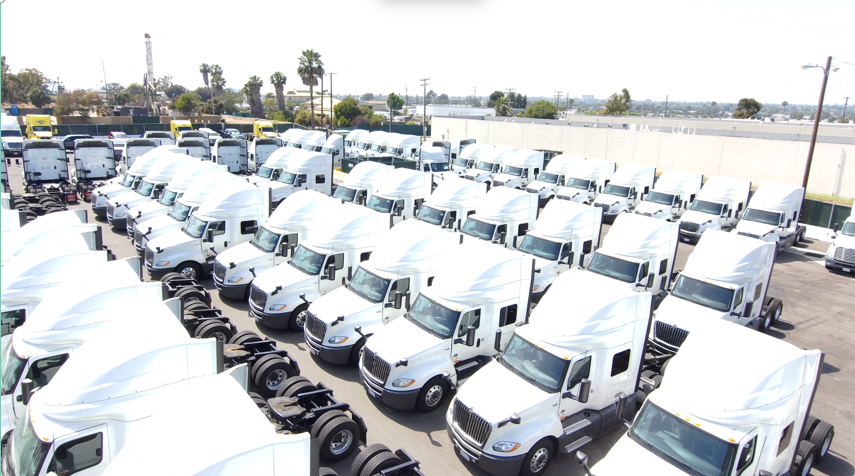
Logistics services providers with privately owned chassis fleets offer a higher degree of reliability in a drayage environment that is significantly tilted toward renting and leasing from chassis pools.

Transloading operations have become a vital aspect of international shipping, allowing shippers and forwarders to add flexibility to freight moves and ultimately helping optimize the process.
2999 East Pacific Commerce Drive Rancho Dominguez, California 90221
Oakland, CA


