Moving goods across borders is just the first step in the logistics journey. What comes next is just as critical — ensuring those goods reach their final destinations within the country. This is where inland transportation becomes indispensable. It connects ports, warehouses, and end-users through vast networks that span state lines, enabling seamless movement of goods.
Inland transportation often involves moving intrastate, which means the companies involved in the shipping process and the shippers must have adequate knowledge of interstate regulations to ensure compliance. Failure to manage these regulations effectively could lead to problems such as disruptions for the supply chains involved in the process.
For instance, a shipper moving a container from the Port of Los Angeles or Long Beach to neighboring states or cities without proper documentation, whether by rail, truck, or inland waters, could delay that particular operation if/when the authorities find out. Understanding interstate and intrastate transport rules is essential for shippers and carriers alike.
It all comes down to regulatory compliance. Interstate transport is the movement of goods across state lines, while intrastate transport is when the goods are moved within the same state. The major differences are the regulations because each state has laws governing transportation, and then there is the federal law guiding transportation across state lines.
For example, shipping from the Port of Los Angeles to San Francisco will attract less scrutiny than shipping from neighboring states to the Port of Los Angeles. One major example is the ongoing zero-emission mandate, which could significantly impact interstate shipping operations in California. Interstate transportation triggers oversight from agencies like the Federal Motor Carrier Safety Administration (FMCSA).
The distinction between interstate and intrastate is more pronounced when dealing with certain goods restricting interstate movement. Take hazardous materials or restricted agricultural items, for example. In many cases, these may have limitations based on state laws or require specific permits. Knowing which goods can legally cross state lines and which must remain within state borders is vital for logistics planning and maintaining compliance.
Interstate freight regulations cover various requirements to ensure safety, efficiency, and legal compliance across state lines. However, logistics teams must manage several key regulations for their operations to work efficiently, so staying informed about regulations is vital. It helps avoid potential roadblocks.
This governs how long a driver can operate within a set period. It mandates each driver to take necessary breaks to prevent fatigue. Noncompliance can result in penalties and delays.
Some products cannot be moved across state lines without special permits. Others, like hazardous materials, have stringent requirements due to the potential risks. These requirements typically include adherence to labeling, packaging, and route restrictions.
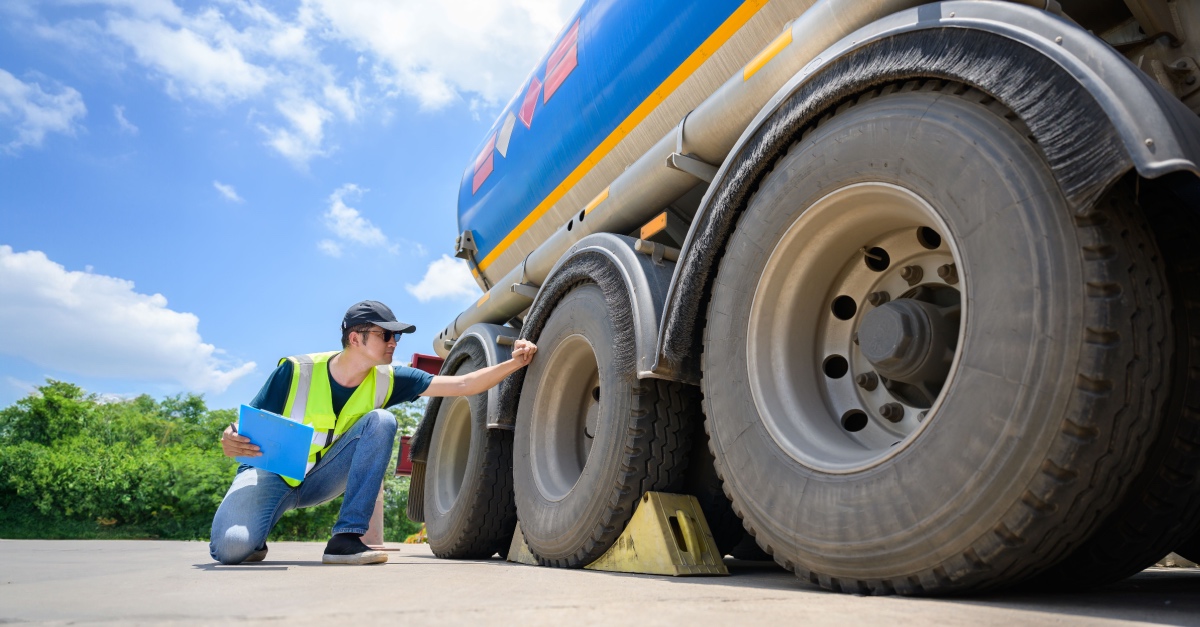
Federal safety standards, including vehicle inspections and maintenance, are critical for interstate transport. These help prevent accidents and ensure that trucks and cargo are safe for travel.
This is granted by the FMCSA, which authorizes carriers to conduct business legally across state borders and helps ensure proper compliance for cargo movement between states.
Compliance is becoming more complicated than ever, even as its need rises. However, modern technology solutions like real-time tracking and automated regulatory support simplify the entire process for shippers and carriers. Tools such as GPS and route optimization enable carriers to plan routes effectively and avoid areas with regulatory challenges.
Geofencing technology allows companies to set digital boundaries that notify them if a vehicle crosses a restricted area. Digital documentation systems also help carriers maintain accurate, up-to-date records. Automated real-time reporting and compliance software further assist logistics teams in monitoring requirements like HOS, operating authority, and cargo restrictions.
Managing compliance in interstate transportation can be challenging due to fluctuating regulations, new carrier restrictions, and record-keeping requirements. However, there are effective strategies for overcoming these challenges, and they include:
Although inland transportation can be complex, ensuring compliance with the right partner is possible. And in California, no one is better than Golden State Logistics for the job. From streamlining drayage solutions to leveraging our relationships to ensure seamless clearance and quick evacuation of containers out of the ports, we ensure no need for such fees or charges. Get in touch today to learn how to leverage our services to run efficient inland transportation processes.

Predictive analytics in logistics turns chaos into planned movement. Unfortunately, most shippers still wait for problems to arise before they act, which often results in additional fees, missed deadlines, and strained customer relationships.

As businesses saw during the pandemic the inefficiencies of the long-established way of handling port drayage, they began to realize that they needed to ratchet up their investments in technology.
2999 East Pacific Commerce Drive Rancho Dominguez, California 90221
Oakland, CA


