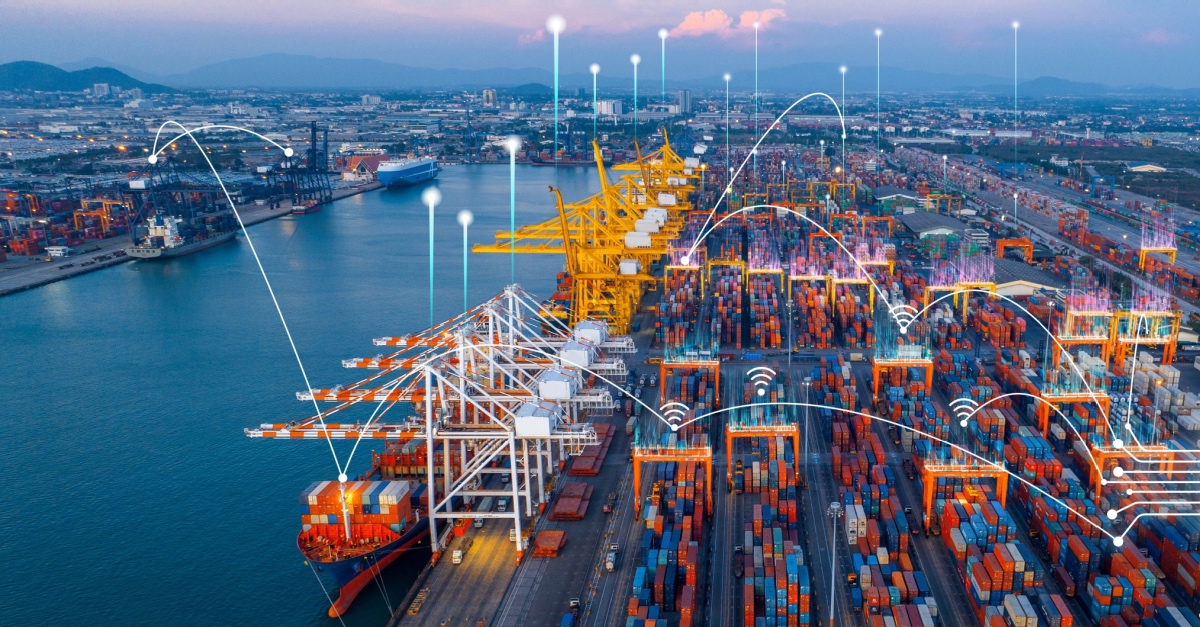
Although ports like Long Beach and Los Angeles continue to see massive surges in demand volume, especially with the ILA strike, it is clear that many aspects of port operations are suffering, leading to congestion and clearing inefficiencies. The ripple effect impacts port drayage operations, leading to increased bottlenecks further down the supply chain, creating significant challenges for overall operations.
Poor control over port drayage operations can lead to delays, disruptions, and downtimes in the supply chain. The financial implications alone can be devastating for any business. That is why technology has become so integral to port drayage logistics. It enables businesses to ensure the seamless flow of goods from the container ships to the warehouse or transportation mode of their choice.
Port drayage operators like Golden State Logistics achieve this by harnessing the power of these tech solutions to streamline and optimize communication, real-time data analysis, visibility, transparency, resource allocation, and scheduling. The result? More effective and cost-optimized container movement that is smoother, faster, and more predictable. Through this article, we will explore this technological shift's role in port drayage operations.
Detention and demurrage fees are two core penalties within shipping that can easily impact a shipper's bottom line. The problem is that they quickly add up, so much so that even a few hours of delay could be costly. The wrong timing could lead to thousands of dollars in unplanned expenses as fines, cutting into the business's profitability. More than ever, it has become critical to seamlessly manage the port drayage effectively for timely pickup and drop-off of containers.
Despite the complexities in managing port drayage operations for the port of Los Angeles and that of Long Beach, more supply chains can have an easier time navigating these with the aid of technology solutions such as:
This entails using GPS and geofencing to track container locations, enhancing collaboration and risk mitigation to minimize the risk of accumulating fees.
More supply chains can now operate with automated notifications to prevent additonal or unwanted fees by ensuring timely pickups and drop-offs.
GSL runs a robust integration of geofencing, terminal connectivity, and integration with your supply chain's existing tech stack, and customized approach to ensure goods are constantly moving with zero delays. That way there is a reduced detention and demurrage fees fro clients.
Running an effective port drayage operation will be challenging without visibility and transparency enhanced by various tech solutions such as GPS and telematics. With real-time visibility, the stakeholders can make more informed decisions, such as scheduling and resource allocation, which can significantly improve the entire operation's effectiveness.
Consider it this way: when stakeholders have real-time visibility into each step of the supply chain — from shipping and customs clearance to the drayage process and beyond — they can make well-informed decisions. This ensures optimal resource utilization and improves overall operational efficiency.
For example, if port congestion delays clearance by two days, drayage trucks and chassis might be scheduled in advance and sit idle, incurring costs even though they are not being used. With real-time visibility, however, these resources can be deployed only when needed, preventing unnecessary expenses and improving overall efficiency.
GSL uses geofencing, automated updates, and GPS precision to ensure faster and more efficient drayage operations where port container drayage logistics are effectively executed.
Technology solutions that allow for the automation of most of the port drayage process are quickly becoming indispensable. They are significant for businesses and supply chains when reducing manual errors such as documentation and pairing drayage trucks with the right containers.
Beyond that, process automation also speeds up port container drayage logistics by enhancing scheduling and dispatching, ensuring that the containers spend less time than necessary — whether at the ports, warehouses, or business facilities. This way, both demurrage and detention fees become non-issues.
Automation also allows for seamless communication between drivers, dispatchers, and port authorities, allowing for seamless coordination without the delays of traditional port drayage methods. GSL embodies this automation by seamlessly integrating EDI and API capabilities for streamlined processes.
TMS platforms ensure that the port drayage in Long Beach and Los Angeles ports is optimized to leverage the best routes, streamlined dispatching, and complete shipment visibility. These platforms also enhance the ability of the port drayage operations to manage container pickups and drop-off schedules.
GSL's use of TMS systems allowed the company to run a versatile yet efficient drayage logistics operation for decades. Through these platforms, GSL offers clients real-time insights into the movement of their cargo to and from the ports, ensuring they have complete control over their shipments.
With this level of visibility, more shippers have stayed agile and responsive even as the ports of Los Angeles and Long Beach continue to handle larger container volumes.
Logistics and supply chain operations are exposed to all manner of risks, but the difference between success and failure is the stakeholders' ability to identify these risks on time and take necessary steps to avoid or mitigate them.
Some potential risks or disruptions that can impact port drayage operations are port congestion, weather conditions, and shipping delays due to longer routes resulting from the current Red Sea crisis. By leveraging predictive analytics solutions, more shippers can predict delays and allocate resources to manage the challenges more effectively.
For example, GSL can help its customers anticipate potential delays by leveraging predictive analytics, decades of experience, and expertise, allowing them to plan or reschedule accordingly.
Port drayage operations involve various stakeholders, including brokers, drayage providers, carriers, and shippers. The success of container port drayage logistics will, to a significant extent, depend on collaboration between these stakeholders, and that collaboration is only possible through effective communication between all of them.
That is why digital platforms are vital in port drayage operations. These digital platforms provide critical information, such as real-time shipment updates, status changes, and tracking details, to all stakeholders, allowing for more proactiveness and quick resolution of issues throughout logistics operations.
Eliminating communication delays ensures that shipments move efficiently through the supply chain and reduces the risk of miscommunication.
Logistics operations continue to be responsible for a significant portion of greenhouse gas emissions, but that can all change with technology solutions. More businesses can practice environmental responsibility, which appeals to customers and other stakeholders. These tech solutions can reduce the environmental impact of logistics operations while boosting efficiency.
These can be achieved through optimized routes, fewer idling trucks, and data-driven decisions for lower fuel consumption and emissions. As electric vehicles, including trucks, continue to become mainstream, it is only a matter of time before we can enjoy seamless, greener drayage solutions.
GSL is already leading the shift to sustainable logistics by reducing the emissions of our operations to help our clients reduce their Scope 1 emissions. We are also one of the first carriers to have electric trucks at the Ports of LA and Long Beach and are currently testing out hydrogen trucks.
Golden State Logistics is at the forefront of using advanced technology to enhance port drayage operations. Whether real-time tracking, automated dispatching, predictive analytics, or TMS integration, we offer our customers customized drayage solutions that allow efficient movement of their containers.
With the increasing complexity of global supply chains, the role of technology cannot be overestimated, especially where port drayage operations are concerned. If you are looking for a partner who embraces these, GSL is the right fit. Our extensive operation at Long Beach and Los Angeles ports can ensure your cargo avoids demurrage and detention by all means. Get in touch with us today.

In this article, we explain why freight visibility is so critical and what changes when you have complete visibility into what happens after the port gates close behind your containers.

Ideally, port drayage is less complicated than other logistics operations because of the shorter freight moves. … However, there are regulations that if not properly navigated, can introduce complications into the entire process.
2999 East Pacific Commerce Drive Rancho Dominguez, California 90221
Oakland, CA


