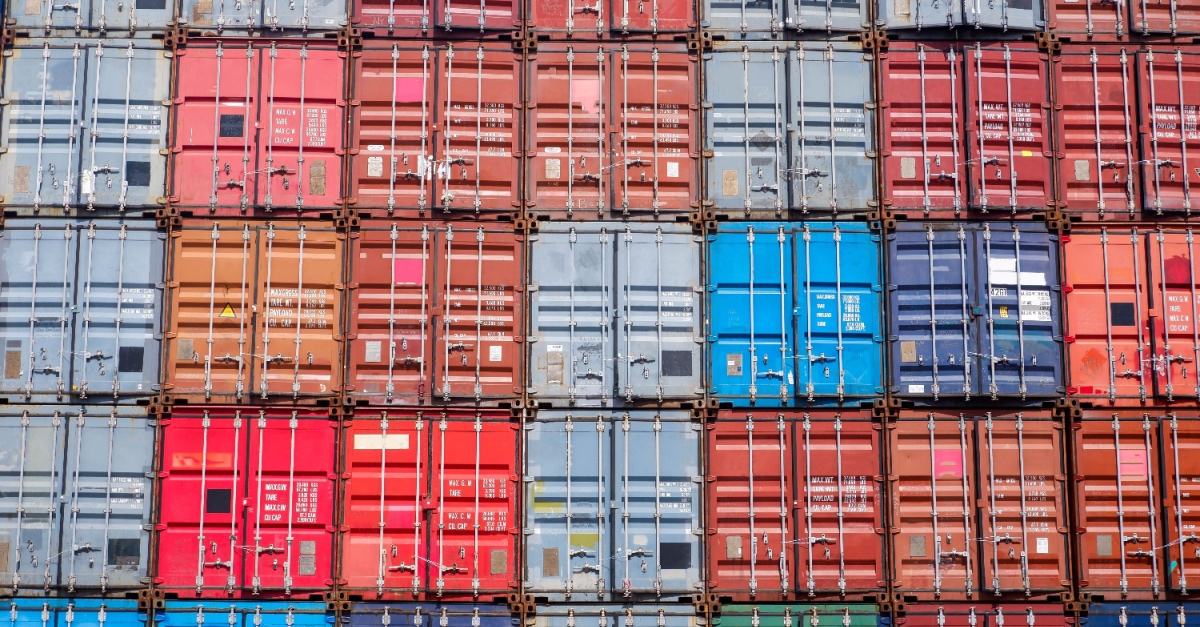
Shipping operations are increasingly complicated, and when there is a delay or mistake in managing the flow of containers at the ports, it will often lead to demurrage and detention fees. These two can easily become a financial burden for shipping operations. They raise costs, and if left unmitigated, they can slow down the entire supply chain management operation.
For shippers navigating the complexities of international trade, managing these fees isn't just a matter of saving on expenses. To stay competitive, they need to keep cargo moving seamlessly and efficiently. To do that, they need to focus on solutions that will reduce detention and demurrage while improving the overall operations' resilience.
A significant aspect of that is streamlining port drayage operations. This article will explore how shippers can achieve that and get an edge in delivery speed and cost-effectiveness.
Detention and demurrage fees serve distinct functions in port operations. Demurrage charges apply when a container remains at the port or terminal beyond the designated "free time" allotted by the authorities. Meanwhile, detention fees occur when containers remain under the shipper's control, either at the warehouse or with the drayage providers, longer than agreed upon outside the port.
Both fees can escalate quickly, especially when there is a disruption or a fee. Fees can escalate quickly, thanks to the complex schedules at major ports. For example, Los Angeles and Long Beach ports are seeing record volumes through 2024. Recently, the Port of Los Angeles saw increased dwell times because of that, meaning many shippers' operations slowed down and were caught up in the detention and demurrage web.
These challenges can drastically slow down the pick-up and return schedules, putting companies at risk of hefty charges. Effective management of these timelines is essential for avoiding unnecessary costs.
Detention and demurrage can be a financial drain on the shipping operation, so shippers and other stakeholders involved in the shipping operations are usually motivated to leverage necessary strategies to avoid these. However, serious challenges exist that are mostly out of shippers' control and can jeopardize their entire effort.
Some of these include:
This usually happens when there is high traffic at major ports. Unfortunately, many ports, especially those on the West Coast, are poorly equipped to handle these volumes, often leading to delays that can push containers past their "free time" window.
Infrastructure disruptions, such as the collapse of the Baltimore Bridge, can create unforeseen delays that lead to additional fees. The recent ILA strike increased the volumes handled at the West Coast ports, leading to some port congestion.
Chassis facilitate seamless movement of containers in and out of ports, but a limited supply can often impede these movements, exposing the shipper to demurrage and detention. A limited chassis supply can also slow the movement of containers from the terminal to their next stop.
Missing or incomplete documentation will delay the shipping process, especially those involving customs. Now imagine scheduling for delayed shipments. The consequences will be a significant uptick in the potential for demurrage and detention.
Because detention and demurrage fees tend to escalate and put the shipper’s business or supply chain in a financial bind, more stakeholders are taking different steps to reduce or eliminate these fees.
Some of the steps they have taken include:
Leveraging digital tools is an effective way to stay on top of container movements. Real-time tracking and geofencing capabilities offer live data on container locations, helping providers optimize routes and reduce idle times. Terminal connectivity and container monitoring systems can provide real-time updates, alerting operators to any delays so they can adjust routes and schedules as needed.
Setting up efficient pick-up and return schedules is essential to avoid fees. This includes planning drayage services based on estimated cargo arrival times and factoring in potential delays, whether from customs checks or port operations. The more precise the scheduling, the smoother the workflow.
Every time there is a delay in the shipping operation, it will be because of poor communication along the line or among all parties involved. It could be that the customs brokers were not provided with all necessary documentation, so there is an issue with customs clearance, or maybe the freight forwarder did not communicate possible delays, leading to poor scheduling on the part of the drayage provider.
This is why ensuring open and seamless communication with all the parties involved in the shipping process is critical. It doesn’t matter whether they are port authorities, carriers, or drayage providers, as it can be the difference between on-time operations and costly delays. By sharing schedules, anticipating potential hold-ups, and confirming container availability, companies reduce wait times and the risk of additional fees.
Tech solutions remain the backbone of modern logistics and shipping operations. With the right technology solutions, the drayage process can flow smoothly with overall operations, leading to a more optimized process that doesn’t involve unforeseen financial implications.
Here are some tech solutions that make the difference in drayage and shipping operations.
Predictive analytics, usually based on historical data, allows for more accurate predictions of potential bottlenecks that could impact the success of the freight process. This proactive approach enables teams to make preemptive adjustments to their schedules, reducing the likelihood of detention and demurrage fees.
With automated notifications, stakeholders receive timely alerts about delays or updated arrival times, keeping everyone aligned and reducing the risk of missed deadlines.
These solutions enhance shippers' and drayage providers' ability to monitor containers moving through the supply chain, giving them the control they need to prevent delays. Knowing the exact location of each container enables them to identify any potential slowdowns and make adjustments quickly.
There is a reason shippers, carriers, NVOCs, and freight forwarders have been at loggerheads for so long until recently when the OSRA 2022 final ruling was released. It was because of outrageous detention and demurrage bills, among others. Here is why it is in every shipper's best interest to minimize detention and demurrage charges:
Reduced demurrage and detention fees mean lower operational costs. This frees up finances and resources for other processes in the business's overall operations. More capital investments directly support the bottom line.
Efficient container movement management means better use of drayage resources — trucks, chassis, and drivers. This can reduce idle time and boost overall productivity.
Avoiding unnecessary fees translates into smoother operations and more consistent cash flow. With fewer delays, businesses keep their supply chains moving smoothly, benefiting both operations and customers.
Drayage providers are critical stakeholders in the shipping process., Their operations directly impact whether demurrage and detention fees will apply to the shipping operation or even blow things out of proportion.
Here are three ways they can manage it:
Working closely with carriers, port authorities, and customs officials supports smooth cargo transitions and improves reliability. Collaboration across the chain helps prevent miscommunications, keeps cargo moving, and minimizes costs.
Documentation errors are a common source of delays. Using digital documentation tools to ensure all records are accurate and up to date can eliminate these errors and help avoid delays and fines.
Every supply chain has unique needs, so customizing strategies to address specific pain points is essential. Fee mitigation should include regular audits, negotiations with carriers, and dispute resolutions when appropriate.
Fee management does more than just reduce the cost of operations. It can also ensure:
Reducing detention and demurrage fees requires strategic planning and real-time adaptability. Few in Southern California can match Golden State Logistics's wealth of experience, expertise, tech solutions, and resources. From streamlining drayage solutions to leveraging our relationships to ensure seamless clearance and quick evacuation of containers out of the ports, we ensure there is no need for such fees or charges. Let GSL help you minimize costs and maximize your operational success. We have been doing it for others; we can do the same for your shipments. Get in touch with us today.
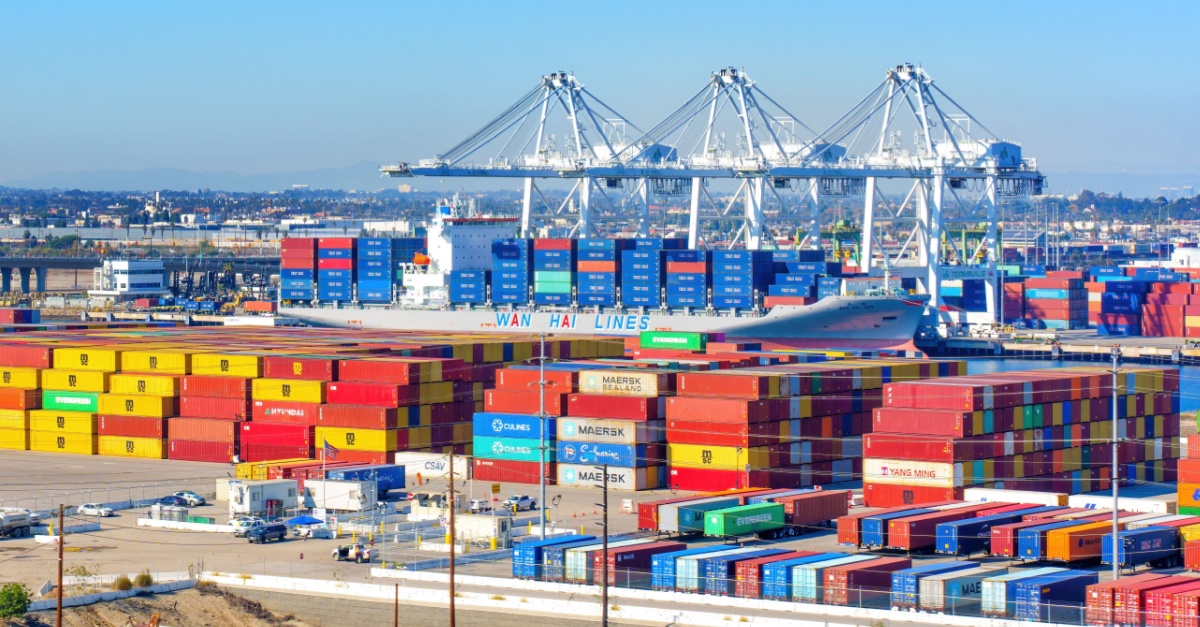
To ensure a seamless freight operation on SoCal roads, it’s essential to manage transloading and inland transportation as a unified process — and it’s preferable to do so with a single logistics provider.
In this article, we explain why freight visibility is so critical and what changes when you have complete visibility into what happens after the port gates close behind your containers.
2999 East Pacific Commerce Drive Rancho Dominguez, California 90221
Oakland, CA


