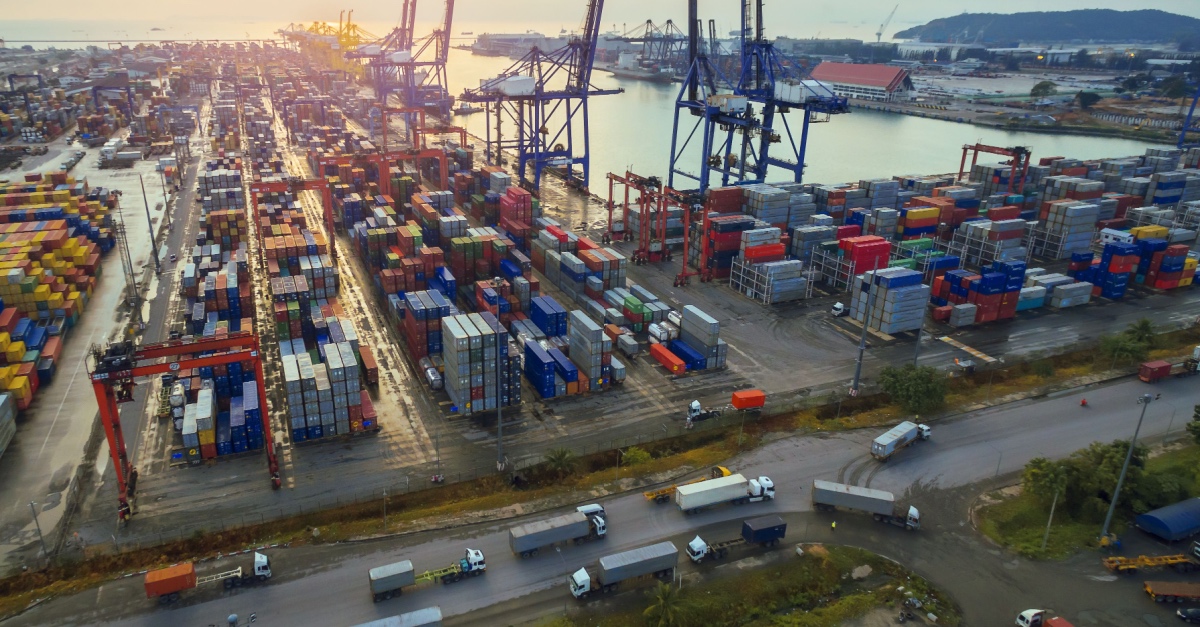
Modern logistics and shipping operations are looking for multimodal freight options to build redundancy into transport operations because of the endless disruptions impacting the industry. For multimodal transport, an effective transloading process is a linchpin to seamless operations. Nonetheless, transloading can be a tricky process and pose some challenges — enough to make the opportunities seem out of reach for some shippers.
If improperly handled, transloading, especially during drayage, exposes the freight to damages, loss, and fraud. These challenges can disrupt the logistics operation and increase costs. The good news is that transloading can be navigated efficiently. Addressing these obstacles with effective strategies and technology is key to maintaining efficiency and cargo integrity.
Although transloading services come with challenges that can impact shipping operations, understanding these challenges allows shippers to apply the right solutions. This article will explore seven common challenges with transloading and the relevant solutions.
It is common to see delays at major ports, often due to high traffic during peak seasons or unexpected disruptions, which can slow operations. An example would be the International Longshoremen’s Association (ILA) strike, which saw shippers diverting freight away from the East and Gulf Coast ports to the U.S. West Coast several weeks before in anticipation of the port shutdowns.
The chassis is critical to mount and move containers, and without them, the transloading process grinds to a halt. A shortage of these chassis creeps up during peak demand, especially considering that the Los Angeles and Long Beach ports continue to handle record-breaking shipment volumes. A shortage of chassis can create bottlenecks, delaying cargo movement.
Errors in documentation and varying compliance standards lead to delays and potential fines, which can cripple the entire shipping process, especially from transloading.
Transloading services raises many concerns because it involves moving goods, especially across modes of transportation. It exposes cargo transfers to more risks, such as damage, fraudulent activities, cargo damage, or theft during handling. This can be a turnoff for many shippers during the drayage process.
Shortage of labor and a general lack of skilled workers, whether as drivers or handlers, can reduce the efficiency of transloading services and lead to problems or mistakes that end up costing shippers and the drayage provider.
Lack of transparency and visibility into shipment locations or statuses leaves stakeholders involved in the transloading process with limited information. This can lead to unnecessary delays and, in many cases, increase the cost of operations.
Finances can be a challenge, especially when there is a lack of coordination with the stakeholders. This leads to high-impact fees like detention, demurrage, and other unforeseen charges, which can strain the supply chains’ budgets.
Overcoming transloading challenges requires strategic planning, advanced technology, and reliable partnerships. Golden State Logistics specializes in optimized transloading solutions designed to tackle these common hurdles. We have transloading services designed to address specific issues like port congestion, visibility gaps, and compliance hurdles. Logistics and supply chain teams can streamline their transloading operations while protecting cargo and controlling costs. Get in touch with an expert at GSL today to explore tailored solutions for your transloading needs.

Tech solutions like real-time tracking, automation, and predictive analytics empower logistics managers by enhancing their ability to maximize the efficiency of inland transportation.
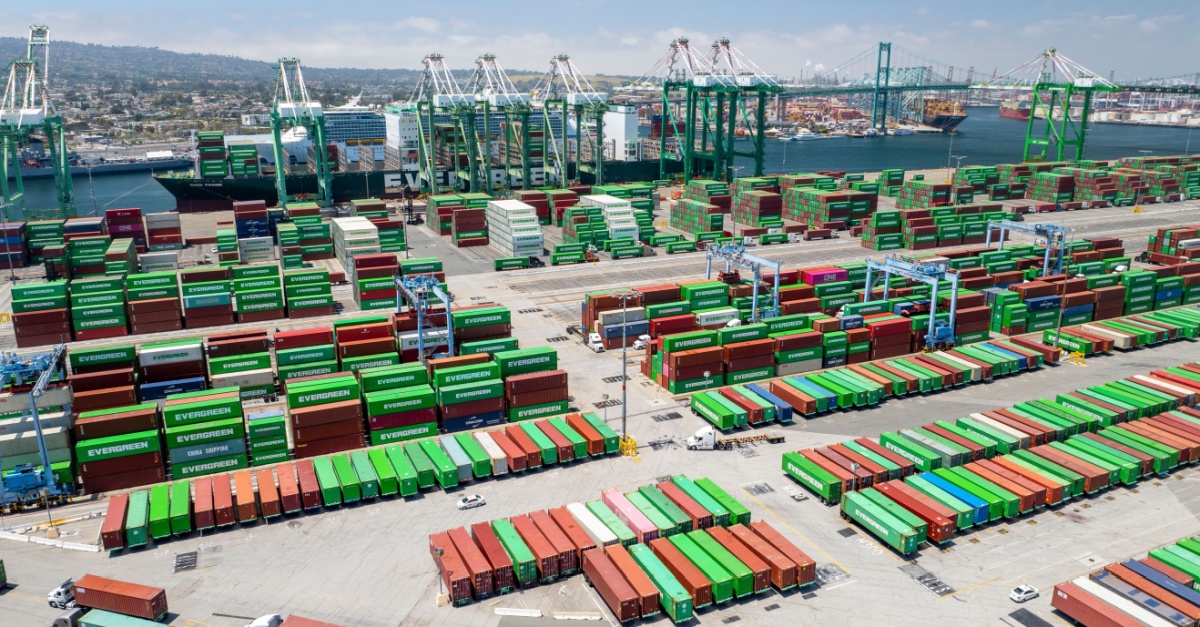
The cost of delays at ports is not just about time. Delays create additional costs and ripple effects that can find their way down the entire supply chain operation.
2999 East Pacific Commerce Drive Rancho Dominguez, California 90221
Oakland, CA


