The processes and infrastructures involved in moving goods within and into the country are different, and leveraging one for the other can create problems for the shippers and stakeholders involved. Inland transportation allows shippers to bridge the gap between ports, warehouses, and final destinations. For example, a shipment coming into the country via the port of Los Angeles but bound for Arizona. The shippers must leverage the inland transportation process to meet customer demands efficiently.
Rising operational expenses are a problem despite the critical nature of inland transportation. This presents shippers with a massive challenge, impeding their ability to maintain cost-effectiveness across their logistics and shipping operations. However, there are strategic approaches manufacturers, shippers, and all relevant stakeholders can adopt to manage inland transportation costs effectively without compromising service quality.
Several factors contribute to inland transportation expenses. Fuel prices account for a significant portion of these, as vehicles such as trucks, trains, and barges used in the process rely heavily on fuel. Labor costs are another huge expense, including driver wages and overtime, which further increases the financial burden on shippers.
Another significant expense is the maintenance and repair of these vehicles and equipment. These are vital because they ensure operational reliability but are not very expensive overall. Other expenses include insurance premiums for cargo and vehicles and taxes and fees imposed by regulatory authorities.
Operational inefficiencies can substantially inflate costs. Idle time caused by loading docks or transit delays results in wasted resources. Empty miles, or trips made without carrying cargo, represent lost opportunities for revenue generation. Poor load planning leads to underutilization of capacity, further driving up costs.
The cost of these operations can be high for shippers, especially when left unmitigated. However, certain strategies can be leveraged to reduce these costs. Some of them include:
The mode of transport can significantly influence costs, which is why it is crucial to select the right one. For instance, trucks are ideal for short distances or time-sensitive deliveries, while rail and barge options offer cost advantages for long-haul and bulk shipments. Using a truck for something the train or barge would be much more suitable for would not make much sense for the shipper and partners. Selecting the right mode of transportation begins with evaluating the nature of the cargo, delivery timelines, and route conditions.
Maximizing load capacity is essential for reducing per-unit transportation costs. Consolidating shipments allows businesses to make full use of available space. Advanced load planning tools can help optimize cargo arrangement, ensuring minimal wasted space while maintaining safety standards.
The right partner can positively impact operational expenses. For instance, when partnering with Golden State Logistics, shippers can expect a collaboration that allows all parties involved to win. This includes lower shipping fees, enhanced risk mitigation, and leveraging experience, expertise, and the necessary infrastructures that ensure an efficient process. Leveraging the right partner in inland transportation can also help shippers avoid high demurrage and detention fees.
Technology has been critical for logistics operations. It can also play a critical role in shippers trying to reduce the cost of inland transportation and enhance efficiency. For example, the Transportation Management System (TMS) can help automate, schedule, and route shipments so that the shipper can save on fuel, ensure less damage, and reduce wear and tear of the various infrastructures being leveraged. Telematics and GPS tracking provide real-time updates on vehicle locations, enabling proactive management of delays.
Tracking shipments in real time allows businesses to identify and resolve potential disruptions promptly. GPS devices and electronic logging systems offer detailed insights into vehicle movements and driver performance, enhancing overall efficiency.
Collaboration among stakeholders fosters better resource utilization. Open communication between shippers, carriers, and customers ensures aligned expectations and smoother operations. Sharing data and coordinating schedules minimizes conflicts and redundancies.
Investing in fuel-efficient vehicles and adopting eco-friendly technologies can reduce costs while supporting environmental goals. Regular vehicle maintenance and driver training programs improve fuel efficiency and reduce emissions, creating a sustainable operational model.
California has two of the busiest ports in the country. Unfortunately, that means complications and certain challenges, such as port congestion. However, that doesn’t have to be your challenge, especially in southern California ports, which include the Ports of Los Angeles and Palm Beach. Golden State Logistics provides your shipping operations with the necessary infrastructure, relationships, people, and technology solutions to ensure lower costs overall in your inland transportation process. Want to reduce your detention & demurrage fees with our port drayage and inland transportation team of experts? Let's talk.

Technology is critical in drayage services today. However, the expertise of the people behind the scenes cannot be overlooked. In reality, the combination of human expertise and tech solutions enhances logistics processes, including drayage services.
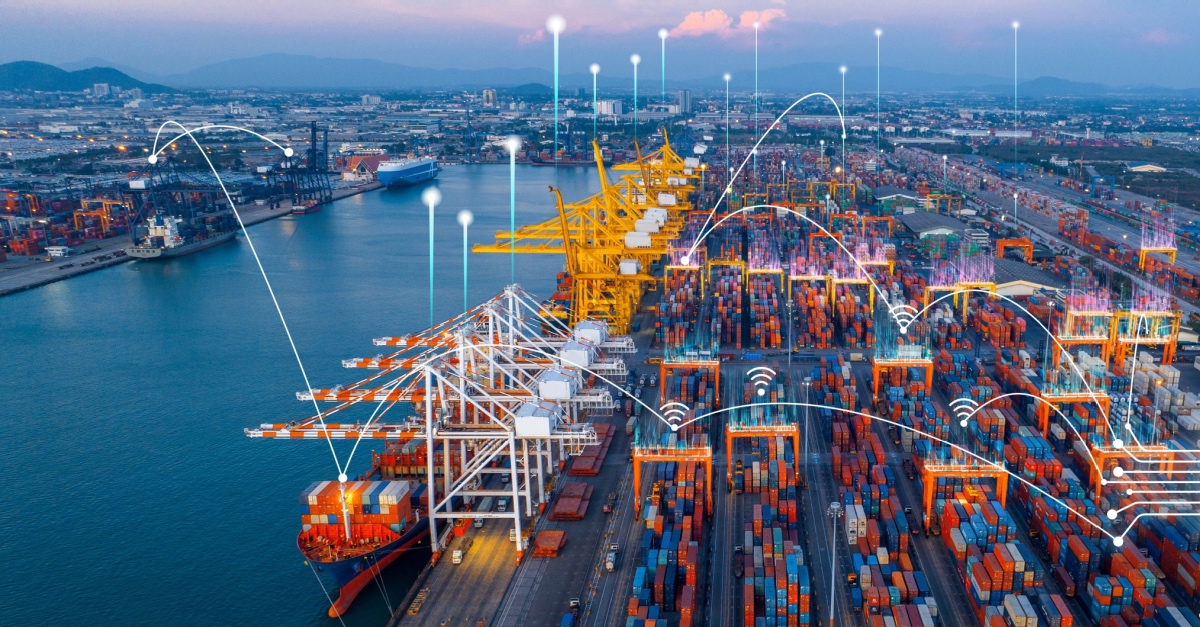
Poor control over the port drayage operations can lead to delays, disruptions, and downtimes in the supply chain. The financial implications alone can be devastating for any business. That is why technology has become so integral to port drayage logistics.
2999 East Pacific Commerce Drive Rancho Dominguez, California 90221
Oakland, CA


