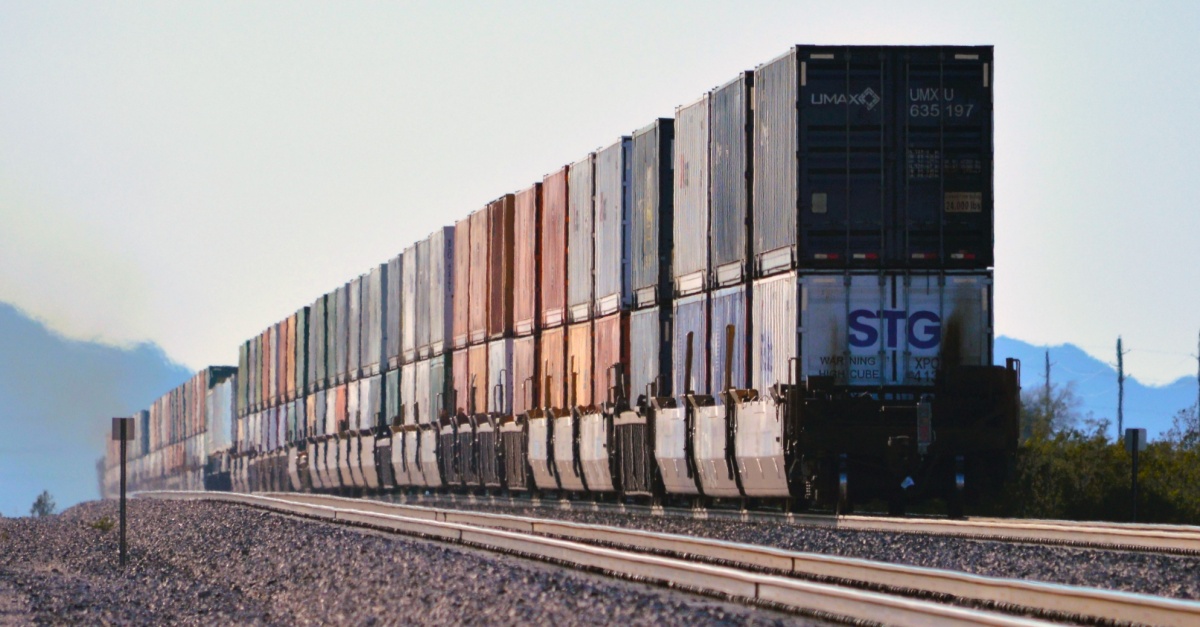
Inland transport is one of the most vital but often overlooked components of freight movement. Most view it as a transaction — getting the container from the port to the warehouse and then moving on. But the problem with that mindset is that shippers inadvertently leave money on the table, slow down the freight process, and create blind spots that compound delays.
The better approach is to treat inland transport as a long-term process, one that stretches from the docks of, say, the Port of Long Beach, to every inland warehouse, rail hub, and final-mile destination across the country. In this article, we will examine why this matters and the risks associated with not treating inland transport as a more strategic component of the overall freight operation.
Shipping across the country doesn’t start with cross-country trucks or rail; it starts at the port. Inland transport is crucial because it connects all aspects of the supply chain, including containers, chassis, drayage, transloading, and long-haul operations.
It typically includes:
Without a tight chain of custody through inland legs, even the best ocean freight plans fall apart. Port delays are legitimate concerns, but a significant portion of supply chain disruptions happens once goods leave the port and enter domestic logistics networks.
Golden State Logistics, based in Southern California, helps shippers make that mindset shift. Our work with shippers shows how collaboration across drayage, transloading, and inland transport helps move freight faster, smarter, and more affordably.
Shippers that treat inland transport as a series of disconnected tasks experience delays, inefficiencies, and consumer frustrations. Inefficient inland transport can result in missed delivery windows, demurrage, and cost spikes.
Coordination gaps appear between carriers, terminals, and warehouses. Loads get stuck and visibility drops.
Here are the common breakdowns:
Using separate vendors for drayage, warehousing, and inland hauling leaves room for error. When one is late, the others don’t wait; they move on or charge the shippers for those delays. Disjointed freight often leaves containers stranded or sitting in queues.
According to Geoff Anderman, president and COO at STG USA, real-time visibility enables cargo owners and receiving warehouses to closely monitor the progress of their shipments as they are in transit. Without tracking that follows the load across the entire journey, issues are often not noticed until a customer complains. Visibility isn’t optional any longer; it is more of a requirement.
If your transloader isn’t ready when your drayage truck arrives, wait times balloon. Multiply that by 100 containers a week, and you’re burning cash fast.
Inland rates are rising due to shortages of fuel, labor, and chassis. Without bundled services and long-term contracts, you're exposed to price shocks.
Retailers and 3PLs are under pressure to meet tight delivery windows. Delays in the inland transportation leg often ripple through to customer commitments. Bad intentions don’t cause these issues. Fragmented operations are the root cause.
Treating inland transport as a long-term collaboration changes everything. When your drayage, transloading, and inland transport providers work together, not just in theory but through shared systems and planning, your entire freight strategy becomes stronger.
Here is why it is important:
Time is saved by design, not chance. And when port pickup, transloading, and outbound hauling are coordinated, freight flows without idle time. Strategic partners schedule around rail availability, warehouse space, and weather.
Strategic partners help you select the most suitable inland modes. Sometimes that means rail, and sometimes it means OTR trucking. Sometimes, a regional hub like Phoenix or Salt Lake City is better than Chicago. When you take a strategic approach to inland transport, you get options, not surprises.
Shippers ultimately save more on inland moves when they leverage bundled vendor relationships. And the reason is simple. Using a single provider for multiple inland legs allows you to negotiate better pricing, reduce per-mile costs, and avoid unnecessary handoffs.
Partnerships allow shared performance KPIs. You can reliably track container dwell time, delivery window hits, demurrage and detention avoidance, and on-time performance. That transparency leads to constant improvement.
Good partners don’t just offer services, they share systems, sync schedules, and plan together. This level of collaboration facilitates more efficient freight movement across all inland legs. Here is why collaboration is so critical in today’s freight and inland transportation:
GPS tracking, ELD data, and TMS visibility platforms should be unified, not siloed. Real-time updates reduce surprise delays and allow proactive intervention.
Drayage drivers, transload warehouse teams, and inland haulers should work off the same calendar. Smart planning prevents equipment shortages and minimizes idle time.
When an issue hits, whether it is port congestion, equipment shortage, or weather challenges, strategic partners have escalation paths and decision-making processes in place. That prevents delays from spiraling.
Weekly forecast sharing enables partners to plan for potential spikes in demand. That means more trucks available when you need them, not scrambling when it’s already too late.
Golden State Logistics excels here. Our integrated systems give clients real-time updates from port to final delivery. We coordinate closely with railroads, warehouses, and long-haul partners to ensure that each load moves smoothly.
Southern California shippers with national ambitions must take their operations seriously beyond the port. Inland transport isn’t a back-office function; it can be the difference between on-time delivery and damaged relationships, between savings and margin loss.
Strategic inland transport partnerships allow you to:
Golden State Logistics isn’t just a drayage provider. We are a full-service logistics partner covering all key inland operations from the West Coast. Our services are designed to scale with your growth, not just handle a one-time load.
Here’s what you can expect when you partner with GSL:
With assets near the ports of Los Angeles and Long Beach, GSL moves quickly, often with same-day pickup. Our teams are experts and understand port congestion, chassis shortages, and labor dynamics.
By owning or coordinating every leg of the inland journey, GSL reduces handoffs and delays. One system tracks the container from start to finish.
Need rail to Chicago? OTR to Nevada? Cross-docking for e-commerce? GSL matches the mode to the lane to save time and cost.
Golden State Logistics operates warehouses that double as transload hubs. That keeps freight moving fast while protecting cargo integrity.
Ready to rethink your inland strategy? Golden State Logistics can help you move smarter from the Southern California ports to every destination nationwide. Contact us now to build your strategic inland transport plan today.
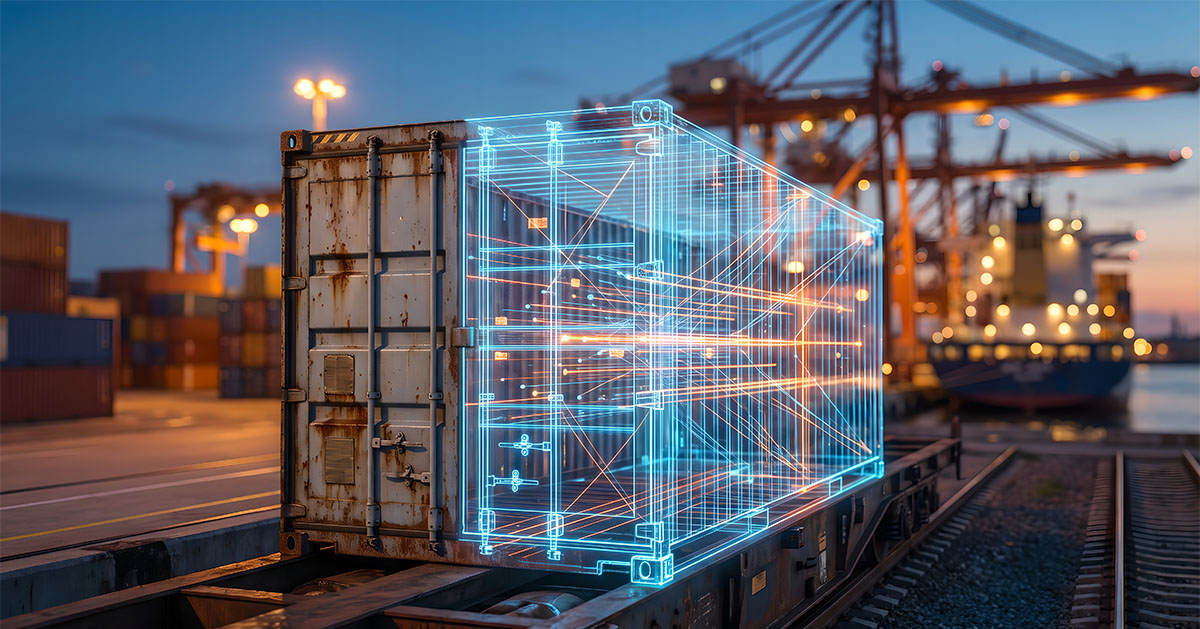
The technology that is remaking port operations is already changing how quickly a box clears the gate and how accurately it is located in the yard.
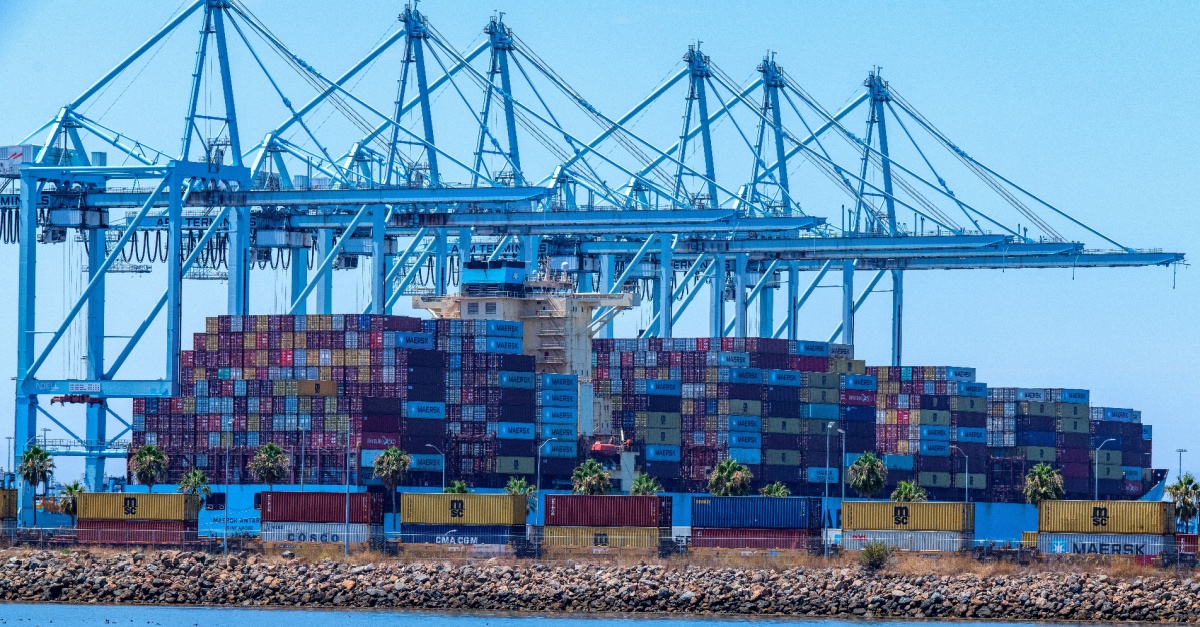
Through transloading, businesses can streamline cargo movement, reduce costs, and offer flexibility that traditional shipping methods often can't match. It is especially relevant at the Los Angeles and Long Beach ports, two of the busiest ports in the country.
2999 East Pacific Commerce Drive Rancho Dominguez, California 90221
Oakland, CA


