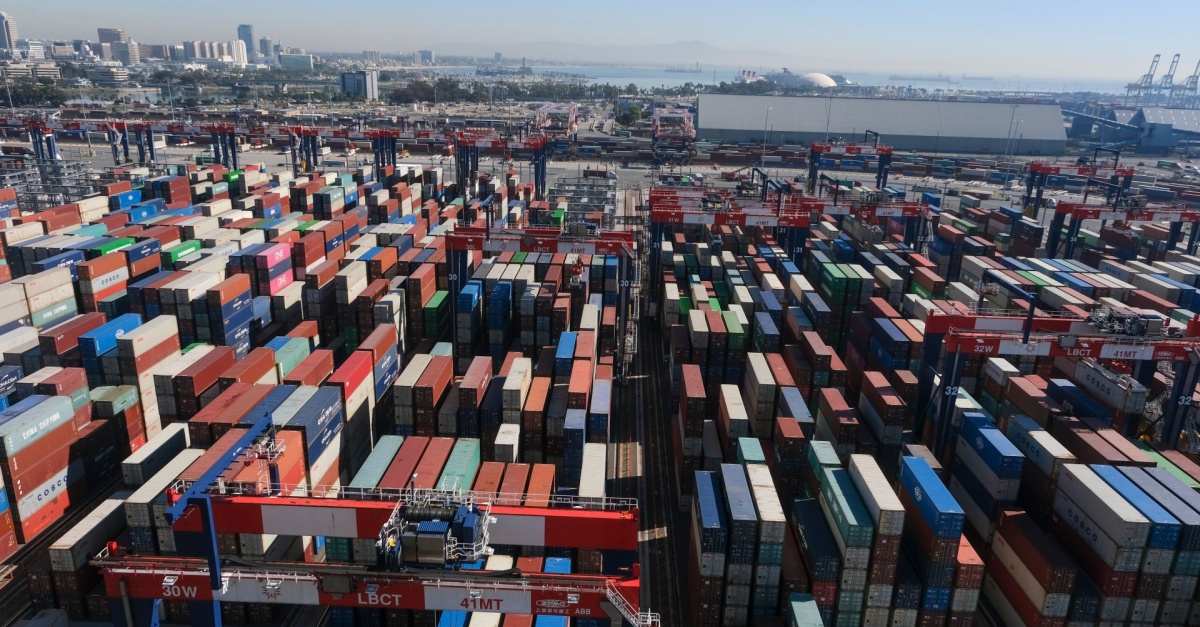
In linehaul operations, transloading is often an underrated node, as businesses miss optimizing this crucial freight touchpoint. Transloading can be treated as an afterthought and a reactive step, resulting in a waste of time and resources, especially in high-container traffic zones like the ports of Los Angeles and Long Beach.
Efficient transloading can turn these ports into assets, rather than choke points. With smart planning, clear visibility, and local execution, transloading operations can become a cost saver rather than just a cost driver you have to deal with.
High volumes and recurring congestion slow standard port operations. In June, the Port of LA handled nearly 900,000 TEUs, its busiest June on record. Meanwhile, the Port of Long Beach processed 4.75 million TEUs in the first half of the year — an 11% jump from 2024. Rail dwell at the Port of LA is now averaging three to four days, and at Long Beach, four to eight days.
Whether it involves trucks, drivers, or containers waiting, idle times in the shipping process can be costly. This is why more than ever, proactive transloading is key.
Efficient transloading at the ports of Los Angeles and Long Beach begins with planning, not where your freight is located. The five strategies below help shippers reduce dwell time, lower inland transportation costs, and maintain freight movement during both peak and off-peak seasons.
Bundling drayage and transloading under a single provider eliminates the handoff friction that causes detention and missed pickups. With separate vendors, every load is at risk of scheduling mismatches and last-minute changes.
When one provider controls the move from port pickup to transload completion, timing becomes execution — not guesswork. For example, if a container arrives on Tuesday at 6 a.m., the same partner can pick it up, unload it, and ship it inland by evening. But that seamless chain only works when one team owns the full schedule.
Distance drives both cost and speed. A transloading hub located within three miles of the Port of Long Beach can complete a drayage round trip in under three hours, thereby avoiding full-day chassis rentals. In contrast, a site 25 miles away might double the time and cost.
Multiply that difference across 200 containers per month, and that location choice alone can add six figures in expenses. Close-in facilities also enable faster empty returns, improve chassis access, and reduce per diem risk during peak surges.
Volume buys leverage. And committing to a steady container flow with a single provider often unlocks lower rates, guaranteed chassis, and priority port appointments. For example, an importer moving 50 containers per week into Southern California can reduce rates by up to 10% or more in many cases by consolidating transloading with a single partner.
Such a deal can also yield benefits beyond cost savings. It can help secure weekend dock crews and guarantee outbound lanes — even during holiday congestion. Smaller shippers can benefit too by using providers that aggregate freight to access preferred pricing.
Live tracking from port pickup to outbound loading prevents costly surprises. The best providers offer technology solutions, such as portals or integrations, that display container locations, dock status, and departure schedules in real time.
One retailer used such tools to reroute a load from Phoenix to Reno mid-transit when weather shut down the original DC. Because the provider’s transload, routing, and dispatch systems were integrated, the change happened before any delay impacted the schedule.
Local expertise speeds up the freight process. Experienced providers understand terminal rules, rail cutoffs, chassis pool nuances, and congestion patterns — and know when to use night gates to avoid peak delays. For example, certain Long Beach terminals allow off-peak moves that cut wait times by 50%.
Providers who know and can staff those slots keep cargo moving while others face overnight detention. Golden State Logistics operates daily in LA and Long Beach, navigating rules, volumes, and cycles that define port efficiency.
Golden State Logistics leverages a team of experts and state-of-the-art technology solutions to offer you seamless inland transportation solutions. We provide reliability through quality service and on-time deliveries, leveraging tracking and data insights for greater efficiency. This way, you have drayage logistics solutions offering port efficiency and flexibility that will deliver solutions that fit your needs. Get in touch with us today to take your transloading operations up a notch.

Technology solutions like real-time tracking, dashboards, and advanced communication tools have empowered supply chain stakeholders to streamline communication with their customers and build better rapport.
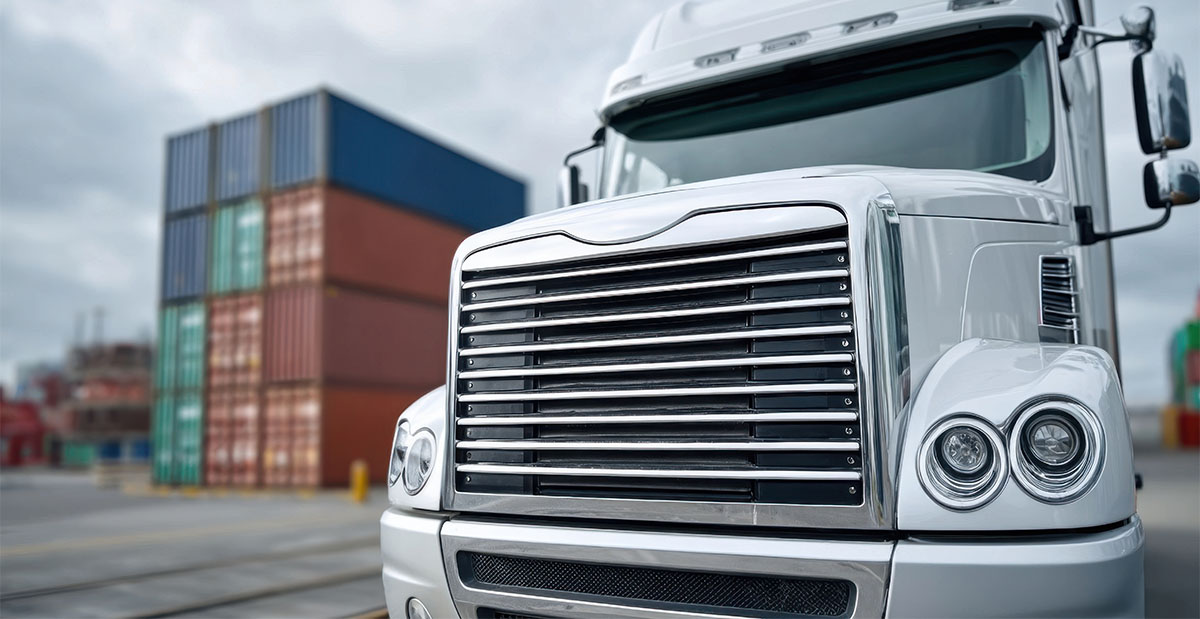
Port delays compound freight cost. And the fix requires proactive coordination and supply chain visibility at every touchpoint, from port to door.
2999 East Pacific Commerce Drive Rancho Dominguez, California 90221
Oakland, CA


