
Reactive freight planning burns time and cash. But predictive analytics in logistics turns chaos into planned movement. Unfortunately, most shippers still wait for problems to arise before they act, which often results in additional fees, missed deadlines, and strained customer relationships.
Leveraging predictive analytics in the logistics and transportation process flips the script by warning you early, guiding dispatch, and aligning drayage, transloading, and inland transport with precision.
Predictive analytics in logistics utilizes past data, real-time signals, and machine learning to forecast events before they impact operations and schedules. The system analyzes patterns, identifies risks, and recommends actions, enabling your teams to plan pickups, labor, and routes with confidence.
Predictive analytics combines GPS pings, ELD feeds, port dashboards, weather, traffic, and inventory data into a single stream that fuels better decisions. But this isn’t about robots replacing people; it’s about better timing for people. MIT’s Yossi Sheffi puts it plainly: “There is little doubt that modern AI can increase productivity and unleash a new era of economic growth if it’s used for good.”
The message is simple: Use data to prepare earlier and work smarter with human judgment.
These are the ever-present pain points that drain budgets and patience. Each one can be predicted and reduced when you connect data and act before the clock runs out.
Prediction changes the pattern by forecasting the bottleneck before it forms. Models flag terminals with rising queues, push earlier appointments, and retime labor so your box moves with fewer stops and fewer fees. Gartner tracks the rise of real‑time visibility platforms for this reason, and it found that investment surged because shippers need earlier signals and faster action.
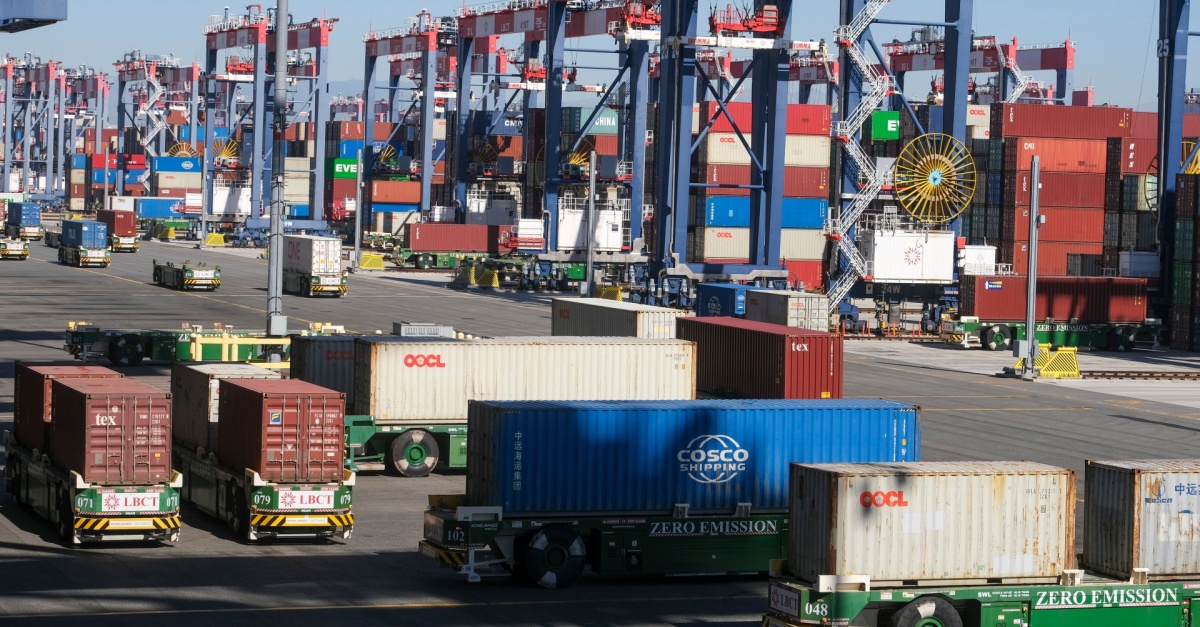
Think of a live playbook for a container entering the Port of LA and moving inland to a SoCal DC. The steps below illustrate how predictive analytics enhance speed, reduces costs, and safeguards service.
You start by harvesting the signals that drive timing and cost. GPS and ELD feeds display truck position; port visibility tools show berth, gate, and dwell times; weather and traffic feeds indicate risk; and WMS and TMS data sets priorities.
An example of these port visibility tools is the Port of Los Angeles’ forward-looking dashboards, including The Signal and Control Tower, which provide stakeholders with a three-week view of arrivals, truck turns, and dwell times, thereby strengthening planning for everyone. According to Executive Director Gene Seroka, “We’re giving all of our partners … a three‑week look at cargo coming into Los Angeles. This is the forward visibility our stakeholders have requested.”
This data can help facilitate better cargo tracking, projections, and productivity.
Machine learning turns those signals into early warnings you can use. Models learn how terminal dwell, chassis supply, gate turn times, freeway speeds, and weather patterns shape your ETA.
They score each load for delay risk and simulate options before you lose your window. McKinsey reports that AI-driven forecasting can reduce supply chain errors by 20-50%, which aligns with lower stockouts, reduced administrative time, and more stable service.
The system doesn’t just warn; it proposes a course of action. For example, if gate wait starts to spike, the tool retimes the pickup, books a night gate, or swaps a driver. Or if a storm threatens I-10, it reroutes to I-15 and updates your ETA with a new one. When a terminal’s rail dwell ticks up, it auto‑extends your transload window and holds a slot on the outbound lane. Your logistics and transportation team can see the recommendation, accept it, and execute with confidence.
Every executed move teaches the model to plan the next move better. If a specific terminal runs slow on Fridays, the model will steer you to a Saturday night gate. If an inland lane’s midday traffic adds 90 minutes, the model will move that dispatch to dawn. Over time, your network stops guessing and starts making accurate predictions.
The benefits of predictive analytics in logistics and transportation impact cost, service, labor, and trust — exactly where shippers feel the most pain. Each benefit below connects to drayage, transloading, and inland transport across Los Angeles, Long Beach, and beyond.
According to the McKinsey report, AI forecasting can lower warehousing and admin costs, reinforcing the savings case for predictive planning. Prediction trims detention, demurrage, and empty miles with better timing. By shaping pickups to actual gate conditions and dwell trends, you avoid avoidable fees and spare chassis hours.
Gartner is forecasting significant investment in visibility platforms, as reliable ETAs and live tracking help stabilize handoffs across the supply chain. Early warnings from the predictive tech can protect your tightest links: port pickup and transload. The system alerts you to appointment changes before your window closes, ensuring DC doors stay productive and store deliveries are kept on schedule.
Accurate forecasts from predictive analytics drive labor and draw plans that align with the actual day. You can plan staffing to receive the boxes when they actually arrive, not when they were “expected.” That means fewer hot fixes and less overtime. It also means yard moves align with the next leg, which keeps lift equipment busy and productive.
A dispatch schedule integrated with predictive analytics keeps drivers and chassis where they generate the most value. When the system knows where empties will be accepted and when dual transactions will clear, it builds turn plans that cut waste. The Port of LA’s Control Tower can provide live gate, chassis, and rail metrics that support informed decisions across LA and Long Beach moves.
Reliable ETAs build confidence with buyers, stores, and partners. Case studies from industry providers demonstrate that dynamic ETA models enhance satisfaction, as teams plan promotions, crews, and doors with greater confidence. The core win is simple — fewer surprises and tighter promises through prediction.
These moves can make predictive analytics stick in day‑to‑day transportation. Read each as an action you can start, measure, and scale.
Select your top three pain points, then set targets for detention hours, dwell days, and on‑time percentage. Wire those lanes into a visibility feed and capture baselines you can improve with prediction.
Book drayage and transloading with one provider so your predictive plan flows without hand‑off friction. When the model flags a late gate, the same partner shifts the transload slot and protects the outbound truck. Unified planning turns warnings into action within minutes, not hours.
Short drays mean faster turns and fewer chassis hours. When prediction calls for a night pull, proximity lets you execute with speed and return empties before fees strike. Over a month of steady volume, that timing difference compounds into real savings.
Blend port dashboards, gate metrics, freeway speeds, and weather feeds that move shipments from LA and Long Beach to DCs and transloading facilities. The Port of LA’s Signal, Return Signal, and Control Tower provide forward volume, dwell, truck turn rates, and chassis stats you can use to sharpen pickup timing and linehaul schedules.
Route model outputs to the tools dispatchers use hourly. Push ETA changes, appointment edits, and driver swaps into the TMS with clear prompts. However, fast adoption comes from clear playbooks that your teams trust and fewer frictions, such as clicks.
Track the KPIs that matter: detention hours per container, on‑time percentage to DC, and cost to serve per lane. Report weekly and tie gains to predictive moves you executed. Keep what works and retire what doesn’t with discipline.
Golden State Logistics applies predictive analytics across drayage, transloading, and inland transport in Southern California. GSL draws on the SoCal ports’ data, yard signals, and driver telematics to forecast dwell, time gate moves, and protect DC delivery windows. Our team of experts aligns port pulls with transload slots, then routes inland with live ETA tracking that customers can trust.
The goal is to minimize surprises and reduce the cost per box. When models call for night gates, GSL schedules drivers and dock crews to match the window. When chassis pools tighten, GSL reshapes turns and dual transactions to cut per‑diem risk. When freeway speeds drop, GSL retimes dispatch to ensure store delivery windows are met with confidence.
Get in touch with us today to take your logistics operations up a notch.

There is no market that is more focused on going green and aware of the transportation industry’s impact on the environment than Southern California. Intermodal transportation not only helps the environment but is also cost-effective.
At Golden State Logistics, we pride ourselves on being a sustainable freight provider, bringing service, expertise, and reliability to your supply chain and port drayage operations.
2999 East Pacific Commerce Drive Rancho Dominguez, California 90221
Oakland, CA


