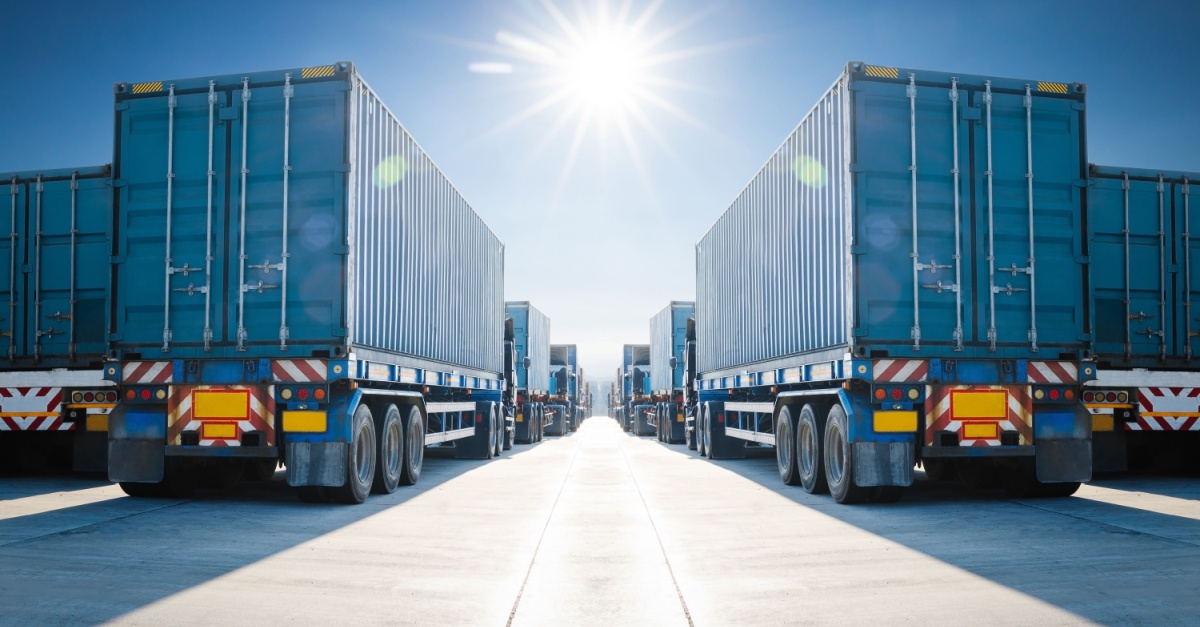
It is easy to see the drayman as only a vehicle for moving one container of freight from the port to the warehouse — a one-off cost. But in fact, drayage partnerships based on volume can enable consistent rates, improved capacity, and lower inland transportation costs.
Volume-based drayman partnerships involve bundling recurring loads with a single provider for scheduled service, stable pricing, and priority port access. It’s not a single move but rather a continuing operation in which providers guarantee capacity, clients benefit from contracted drayage rates, and the cost of inland freight transport becomes predictable.
The logic behind the volume-leveraged drayman partnership is simple. When shippers focus on these kinds of partnerships, they can consolidate loads, thus making fewer trips and using less fuel. Fewer moves translate to lower per‑unit cost and fewer empty miles for shippers and the drayman.
Freight experts note that load consolidation reduces handling and improves reliability. Service consolidation has emerged as a top trend in logistics, and providers that combine port-to-door services deliver better service and savings.
Traditional drayage often uses spot bookings. But that leads to rate swings, driver shortages, and equipment delays. When demand spikes at Southern California ports, spot drayage rates can surge by 30%. Those costs, which include chassis rental, detention, and demurrage, erode margins. Containers sit, schedules slip, and freight cost management breaks down.
Volume‑leveraged drayman partnerships deliver clear value in five key ways.
Smart load consolidation reduces per-unit cost by increasing efficiency. Providers pass volume discounts to clients, and each container travels with fewer empty miles. This works because consolidated loads reduce fuel and equipment use, which translates to savings per trip, often amounting to significant cost savings per container.
Regular volume gives you capacity priority during tight supply windows. Ports such as Los Angeles and Long Beach frequently face chassis shortages, so drayage providers with volume contracts secure equipment first. For shippers partnering with them, they avoid delays caused by spot market unpredictability, ultimately improving port efficiency and reliability in high‑demand periods.
For the shipper and the carrier, less idle time equals less cost and greater reliability. Consolidated service forces coordinated scheduling, which in turn cuts wait times and dwell fees. When drayage and transloading teams work together, containers clear terminals faster, and trucks spend less time waiting. The port‑to‑warehouse journey is also much faster, which helps shippers avoid detention and demurrage charges. That improves warehouse throughput and reduces idle cost.
The drayman partners can share data via TMS or WMS tools. The shipper can view load location, port delays, and schedule changes in real time. Predictable schedules improve warehouse throughput and inventory planning. Shared planning reduces surprises and boosts trust.
High-volume partnerships build alignment. When shippers assign all their volume to a single provider, communication improves. The drayman understands the business, anticipates needs, and becomes proactive rather than reactive. That builds reliability and service value.
Golden State Logistics is the leading drayman operating out of Southern California, delivering volume‑aligned drayage from Los Angeles and Long Beach. We combine drayage with transloading and inland transport for bundled service. Through that consolidated service, our shippers benefit from contracted rates, priority chassis scheduling, and shared tracking systems.
GSL achieves this by organizing client volume into consolidated drayage waves. We align port appointments and warehouse access, plan inland routes proactively, and ensure containers move with fewer touches and faster transit. That approach cuts costs and improves reliability.
Volume‑leveraged drayage partnerships deliver lower inland freight costs, consistent capacity, and better supply chain control. When drayage becomes a planned process, not a necessary service, cost savings follow.
Ready to reduce your drayage cost and improve inland transport predictability? Let’s talk and design a volume‑aligned drayage partnership today.
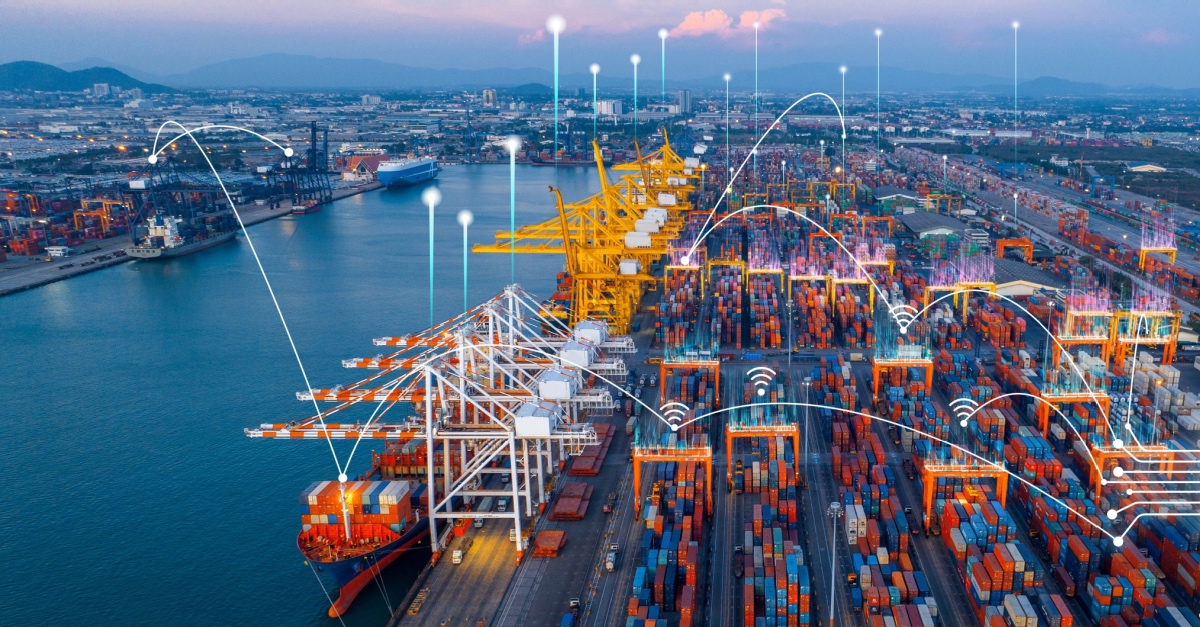
Poor control over the port drayage operations can lead to delays, disruptions, and downtimes in the supply chain. The financial implications alone can be devastating for any business. That is why technology has become so integral to port drayage logistics.
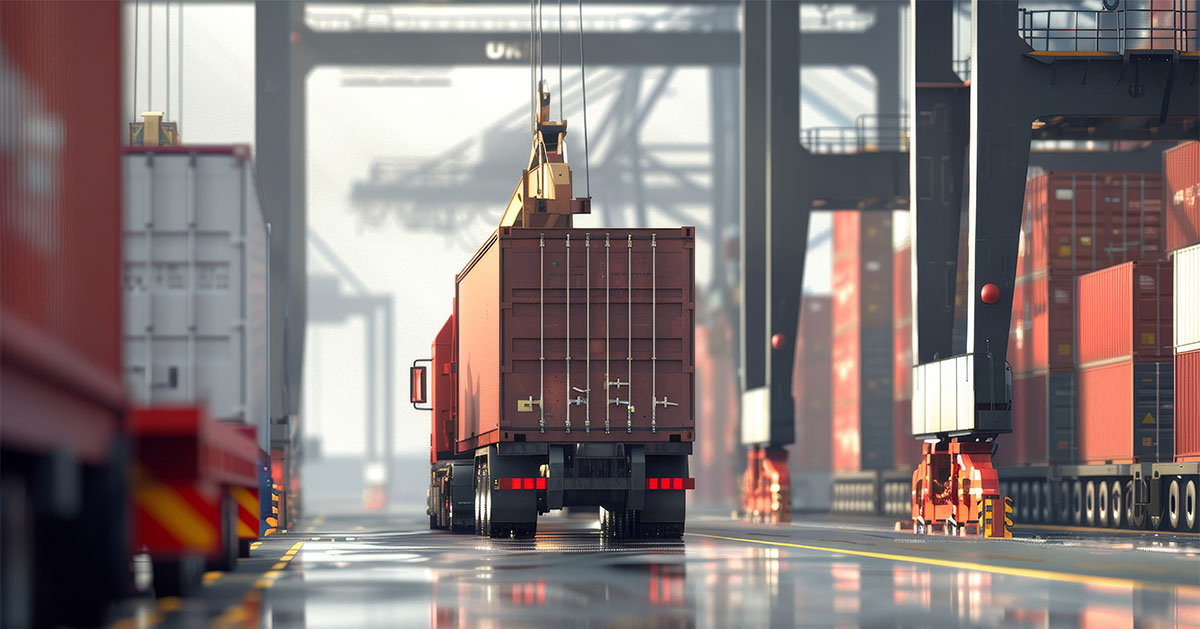
Port-adjacent transloading reduces drayage miles because the container does not have to travel deep inland before unloading.
2999 East Pacific Commerce Drive Rancho Dominguez, California 90221
Oakland, CA


