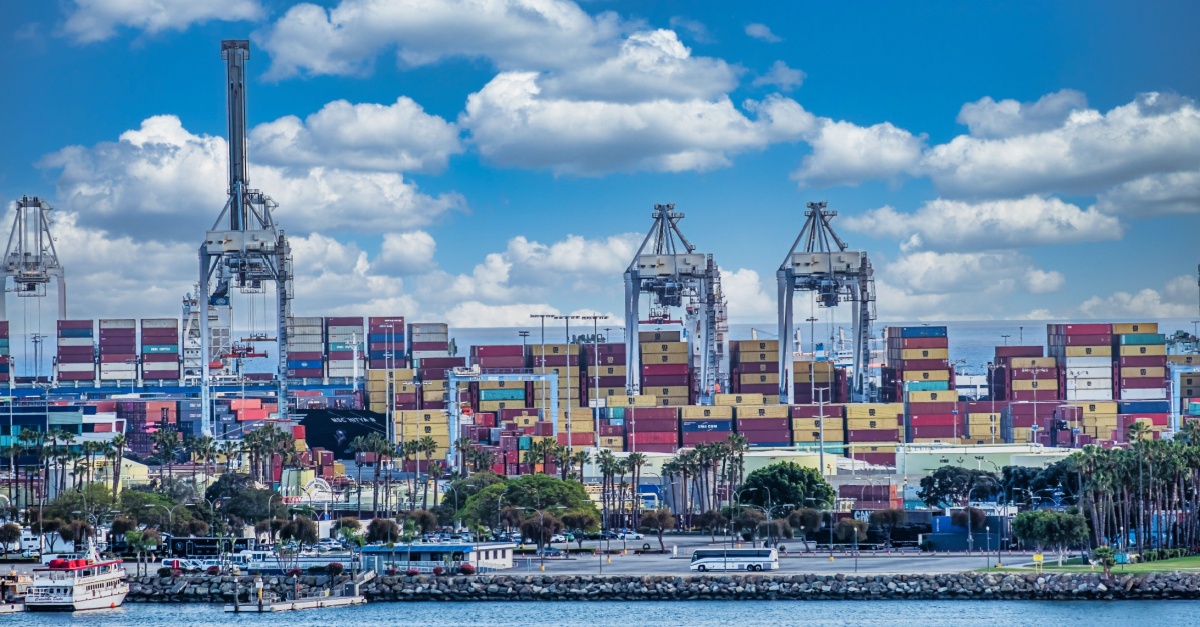
Busy cranes, stacked boxes, and tight deadlines define the average shipping process going through the ports of Los Angeles and Long Beach on a daily basis. And because of that, supply chain operations can be slowed or bogged down in both ports. Therefore, it makes sense that by addressing the drayage process, shippers can improve the speed and agility of their overall supply chain operations.
Ultimately, the choices made in the drayage process will determine whether cargo will sprint inland or stall at the dock. In this article, we will review simple strategies that restore rhythm across port logistics, intermodal shipping, and inland transport, with drayage at the center.
Drayage may be a short process, but it is crucial to the supply chain, and even a brief delay can have ripple effects down the line. Fix this, and the rest will fall into place with control.
Pickup timing affects both cost and speed. If containers wait at the port, fees will accumulate and schedules will be disrupted. However, a skilled drayage operator ensures timely pickups so demurrage or detention charges stay low or are nonexistent. In practice, this means having drivers and chassis ready exactly when they’re needed.
Dispatches, drivers, terminal windows, and warehouse doors must match, as a single missed appointment or a thin chassis pool can slow an entire delivery day across Southern California ports. With drayage, effective coordination can be achieved, which improves the efficiency of the supply chain.
Golden State Logistics’ base near the ports of Los Angeles and Long Beach provides immediate benefits, including drivers being close, dispatch being familiar with regional quirks, and reduced turnaround times. That proximity converts into flexibility when disruption hits.
It’s no surprise that ports are full of friction. Here are the typical choke points in Southern California:
Each delay at the port flows downstream. For example, a warehouse backs up, delivery promises are not kept, and inventory buffers collapse. This is precisely where shippers feel the pain of weak agility.
Good drayage is a system, not a truck. And that system is what converts terminal time into forward miles with a purpose.
Move containers from the port to a nearby transloading site or facility as quickly as possible. At the site, break down the cargo and load it onto domestic trailers bound for inland destinations. This way, you can reduce dwell time at ports and speed up the inland mix.
You have to prompt the drayage pickups to avoid storage penalties. Ensuring quick movement off the dock guarantees that containers arrive at customers’ locations sooner rather than later. Prompted drayage can save you a significant amount of money and help you meet your deadlines.
Visibility means fewer surprises. With real-time updates between dispatch, drivers, and warehouse teams, you can easily adjust and react to port congestion. This means that if a gate is backed up, you can quickly identify alternative routes or timing shifts that will help you avoid delays.
A robust drayage network enables you to reroute loads, adapt to urgent orders, and absorb seasonal fluctuations. When plans change, the drayage leg is your first line of adjustment. This is why true agility manifests in our choices — for instance, truck today, rail tomorrow, inland DC A this week, and overflow DC B next week
At Golden State Logistics, drayage, transloading, and inland transport are managed in a single, coordinated flow. For our shippers, this means there are no fragmented handoffs and no delays just because one piece couldn’t catch up. This way, you will gain a steadier flow, even when port traffic is snarled.
On the surface, drayage might appear to be a minor detail in global supply chain operations, but it is a pivotal point for speed and adaptability. If your drayage partner can’t link port, warehouse, and inland routes with visibility and flexibility, you lose agility at the critical juncture.
Here are some critical questions you should always ask:
Golden State Logistics offers that connective backbone in Southern California. With drayage as your tuned instrument, your supply chain won’t just survive volatility; it will be well positioned to respond.
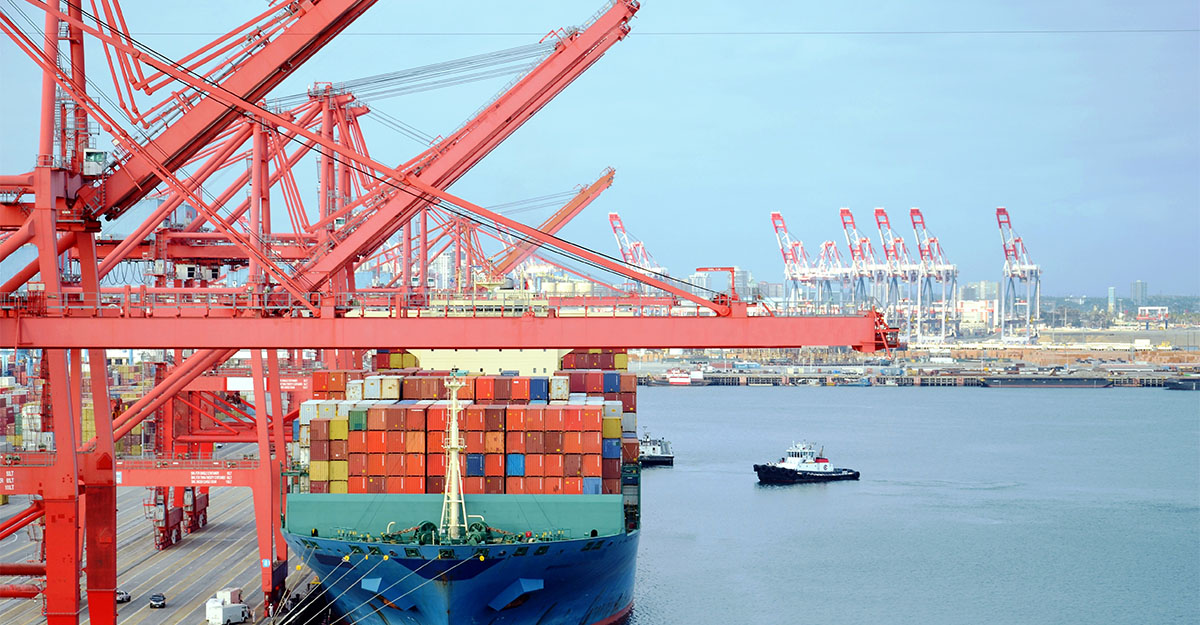
If volumes are going to spike ahead of a tariff deadline, shippers need trucking capacity that can scale without scrambling for trucks at already inflated spot rates.
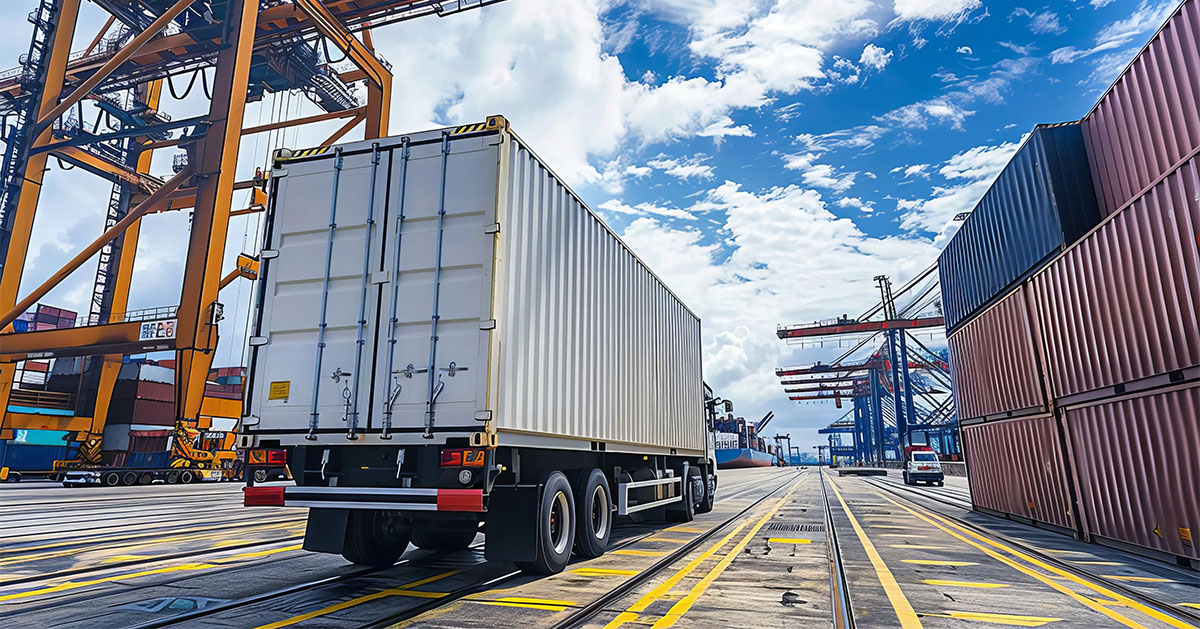
In this article, we explain the five operational traits that separate a high-performance drayage from one that just owns a few trucks near the port.
2999 East Pacific Commerce Drive Rancho Dominguez, California 90221
Oakland, CA


