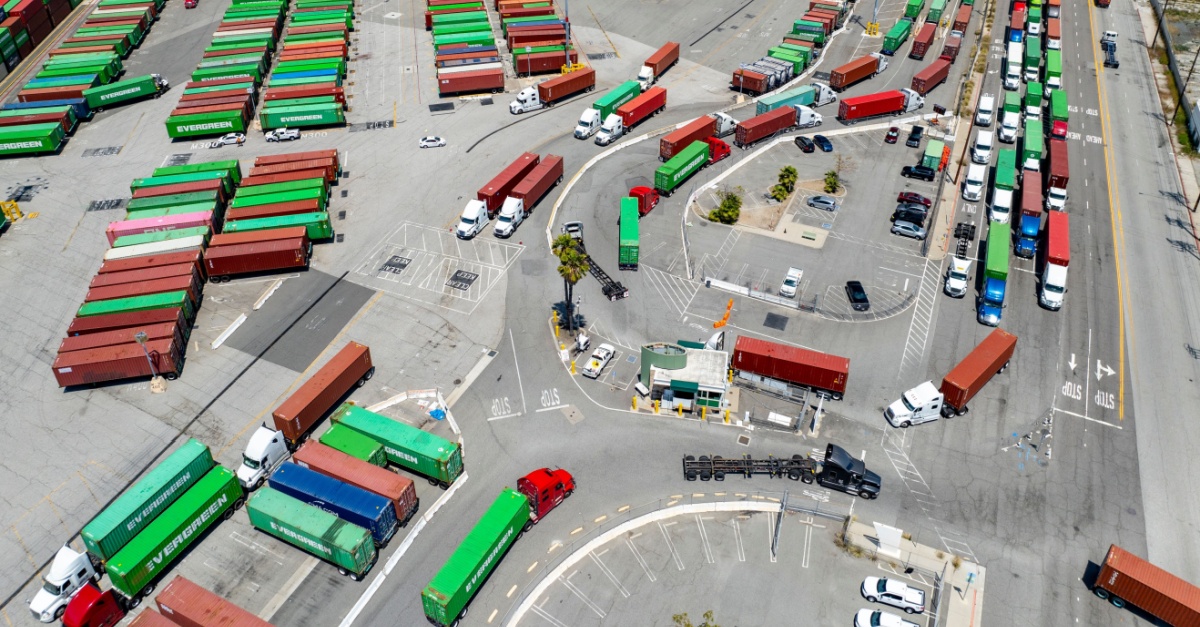
While drayage distances make it resemble a short haul, the operational hurdles surrounding dray operations make it a lot more challenging. In Southern California, drayage serves as the critical link between the ports of Los Angeles and Long Beach and the wider logistics network — so shippers that partner with the right provider can accelerate freight movement, reduce costs, and keep stronger control over their supply chains.
Buying one-off drayage services might sound smart, but it drains time and cash. A solid drayage partnership with a reliable partner expands reach and optimizes the entire freight network for enhanced control and efficiency.
A drayage partner can make or break the entire downstream freight process, making it crucial to choose one effectively.
When choosing a drayage partner, make sure to pick one that thoroughly understands each terminal’s quirks, gate hours, and appointment rules. A local expert can tell who runs the 710, the 60, and the 110 daily. The drayage provider will also know when certain gates slow, which ramps clog first, and how to avoid a bust at Long Beach. All of these are vital because they will enable the drayage service provider to stage trucks early, pre-check containers, and time runs to hit the shippers’ receiving window with precision.
Local expertise pays off quickly. For instance, an importer partnering with a seasoned drayage provider can cut at least an hour of idle time per container. Across 300 boxes, that’s 300 driver hours saved — a full week of capacity recovered and redirected to moving freight instead of wasting time.
A strong partner integrates port-to-warehouse delivery, transloading, and short-haul into a single flow. When drayage and transloading live under one roof, your freight comes off the ship, hits a door, moves to outbound, and gets rolling inland without dead time. By choosing a drayage provider with integrated capabilities, shippers can achieve significantly more. For example:
It is impossible to plan properly without clear signals, so it is important to insist that the drayage provider of choice must have real-time tracking and visibility, auto alerts, and a portal that provides you with any information you may need. The portal should also be easily accessible, allowing you to check in from a phone or floor screen. For example, having daily snapshots at 8 a.m. can keep the warehouse labor aligned with inbound box counts.
According to the Federal Maritime Commission, the purpose of demurrage and detention is to incentivize cargo movement, which means timely data turns into fewer fees at the ports. However, to ensure that, you must ask questions like how driver updates flow to dispatch and then to your team during the lane snag. ETA changes pushed within minutes keep dock doors filled with the right loads.
Ask important questions, such as how many chassis the drayage provider controls, how they will scale drivers during peak seasons, and how they avoid an all-spot scramble during retail peaks. The right answer depends on what you actually need to move your freight, and if the given answer can enhance the efficiency of the freight movement.
Today, you may need two lanes; tomorrow, you may need four lanes and two inland hubs with an inland transportation provider. The entire idea in business is to grow, which is why you must pick a partner with coverage from San Pedro Bay to the Inland Empire, plus ties into Phoenix, Las Vegas, and the Central Valley for broader reach. Before making that choice, ask how they support new DCs, new SKUs, and new volumes without drama or long setup.
When you partner with Golden State Logistics, you can expect a drayage provider with local knowledge and expertise, tech solutions that guarantee visibility and transparency, scalability, relationships, and resources that will allow your business to operate a seamless drayage process. We align drayage and inland runs so your box leaves the berth, clears the gate, hits a door, and reaches stores with tight timelines. Get a quote today.
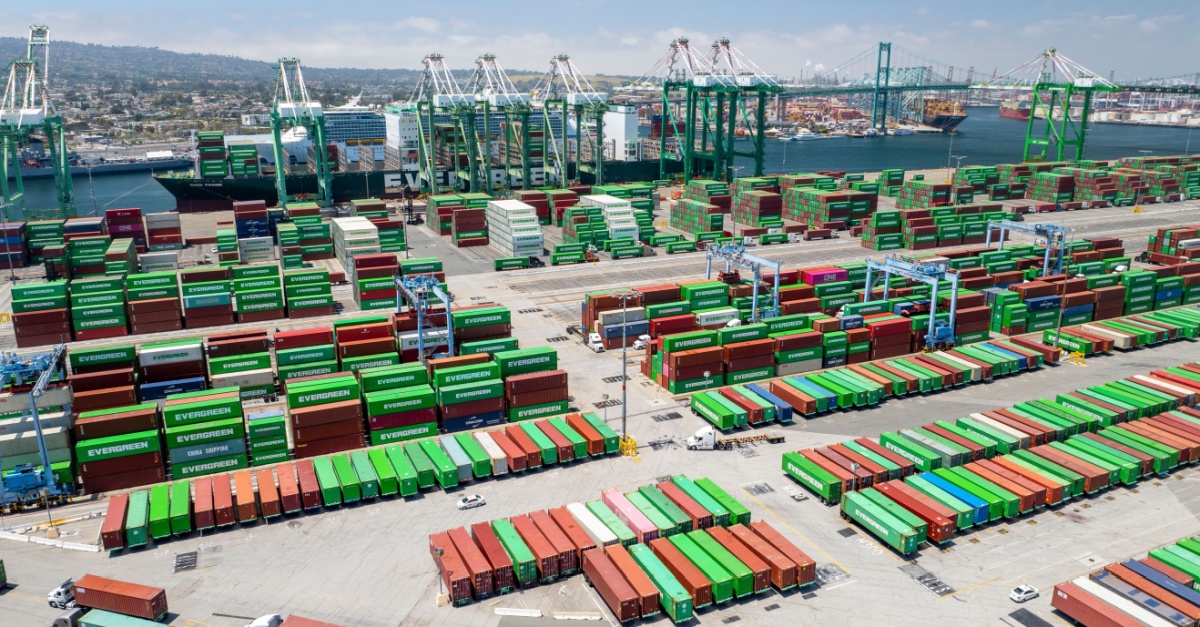
The cost of delays at ports is not just about time. Delays create additional costs and ripple effects that can find their way down the entire supply chain operation.
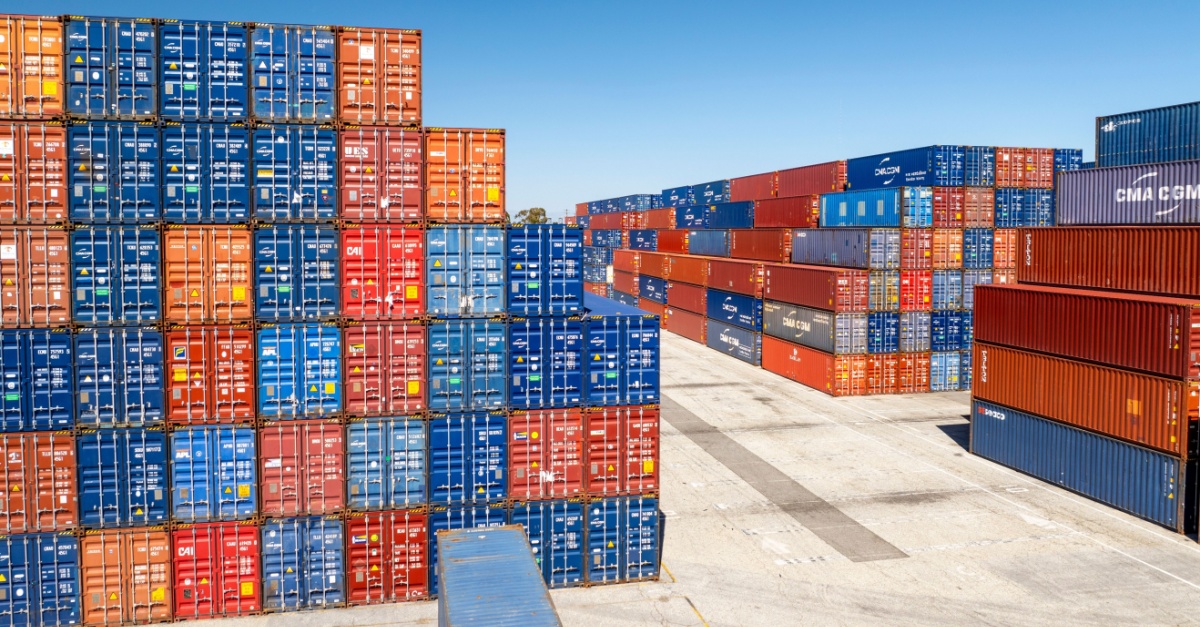
Transloading metrics have a real impact on daily freight decisions, but getting it right necessitates knowing what to look for. In busy regions like Los Angeles and Long Beach, seven transloading metrics matter most.
2999 East Pacific Commerce Drive Rancho Dominguez, California 90221
Oakland, CA


