How cloud systems improve collaboration, centralize documentation, speed up decision-making, and support complex supply chain moves across drayage, warehouse, and inland networks.
Shippers have long viewed the drayage process as a manual, behind-the-scenes part of freight movement, but advances in technology have brought fiercer competition and greater demand for better and faster processes.
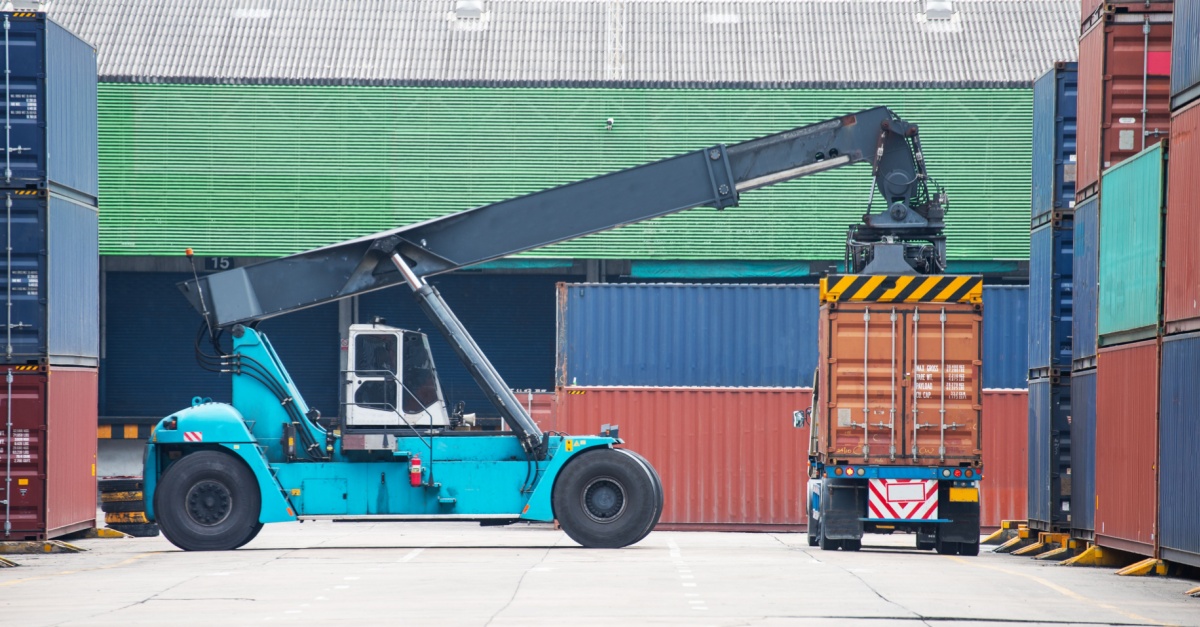
Some shippers think transloading means moving cargo from one truck to another. That is only part of modern transloading operations. Today, it is a high-speed, tech-driven process that improves freight throughput and reduces costly slowdowns.
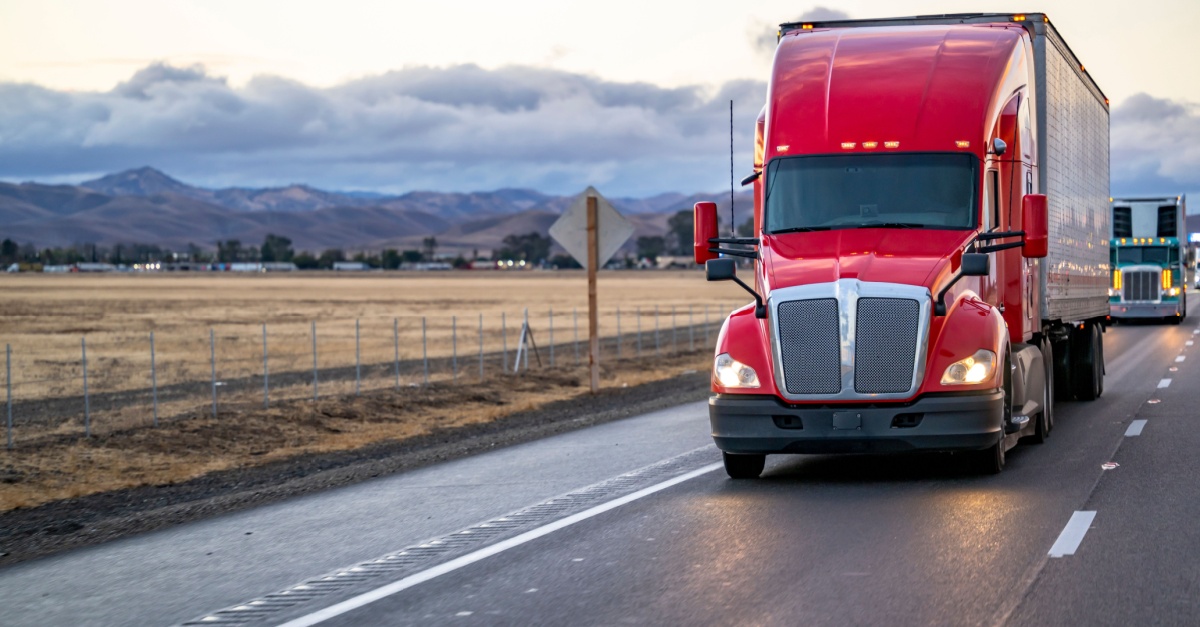
We combine drayage and inland shipping into a single system and operate transloading facilities near Long Beach and Los Angeles, which enables us to ensure fast turnarounds with ease.
.jpg)
More than ever, the transloading process can be critical to shipping, and picking the right transloading partner matters a great deal in today’s freight landscape.
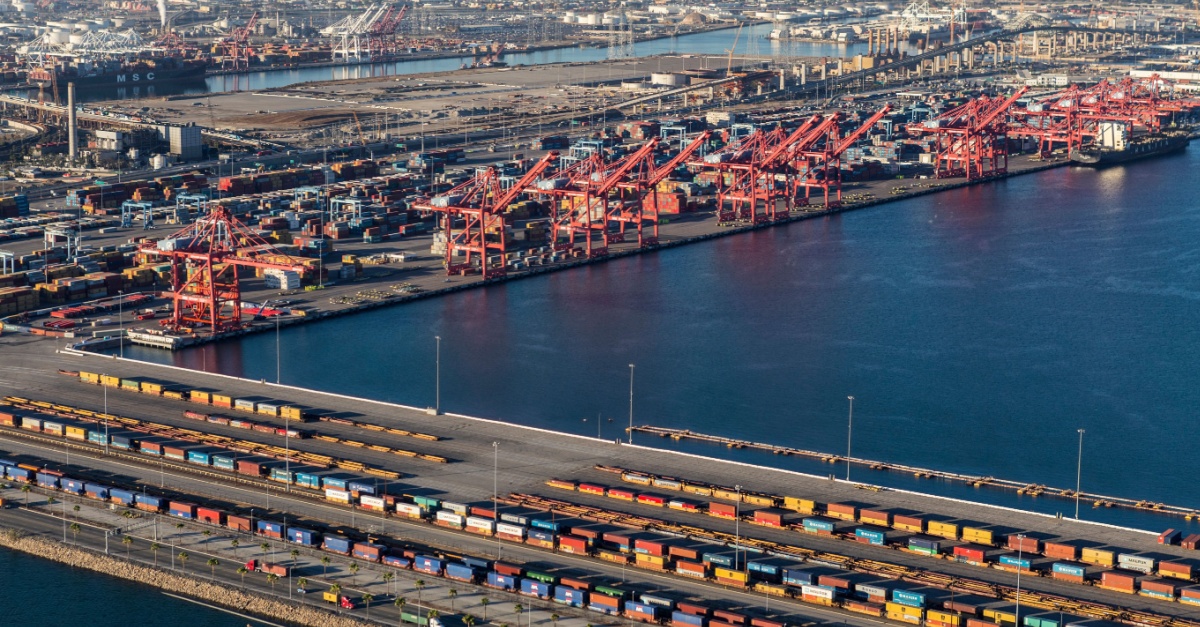
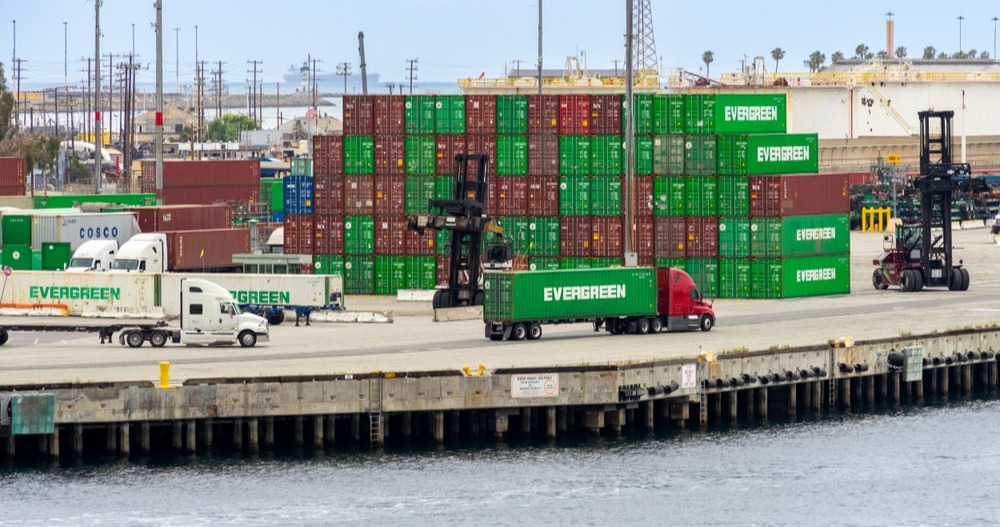
For shippers operating in Long Beach and Los Angeles, it is not uncommon to see short-term delays create ripple effects that amount to long-term disruptions across the supply chain.
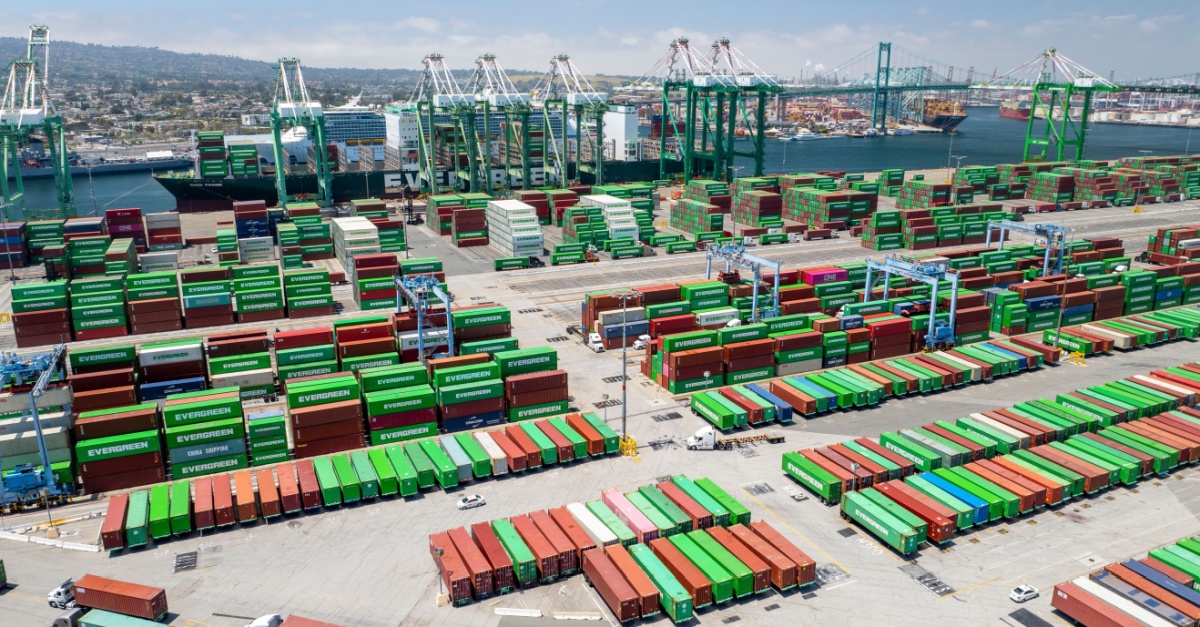
The cost of delays at ports is not just about time. Delays create additional costs and ripple effects that can find their way down the entire supply chain operation.
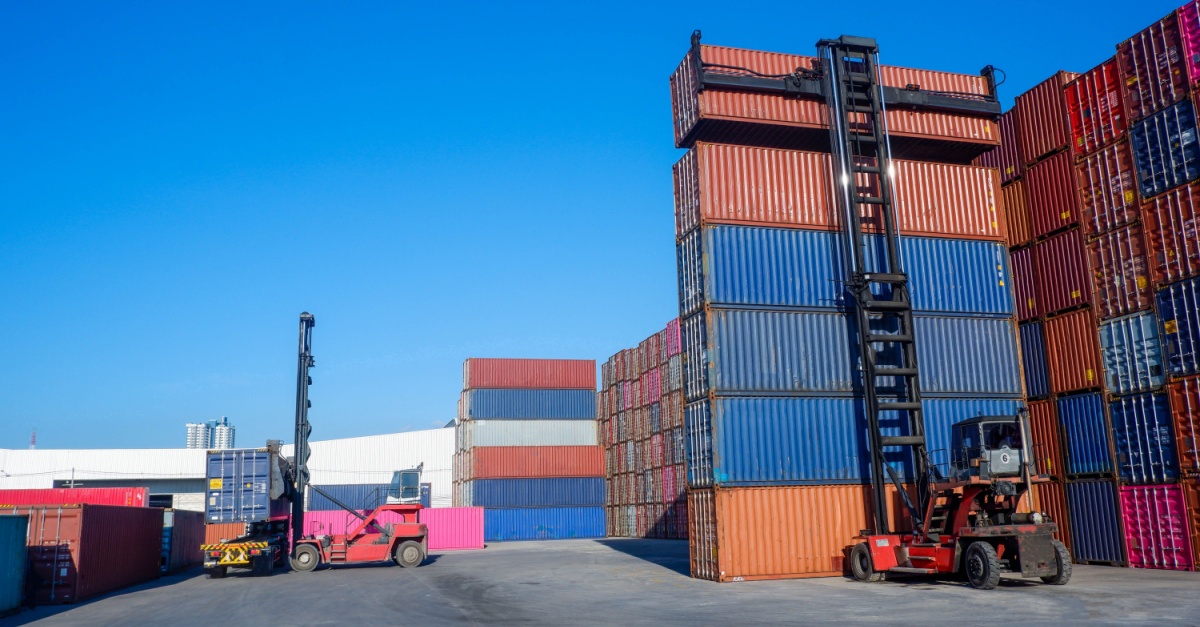
At Golden State Logistics, we know the challenges shippers face in Los Angeles and Long Beach. Our expert teams and resources allow you to design services matching your cargo needs.
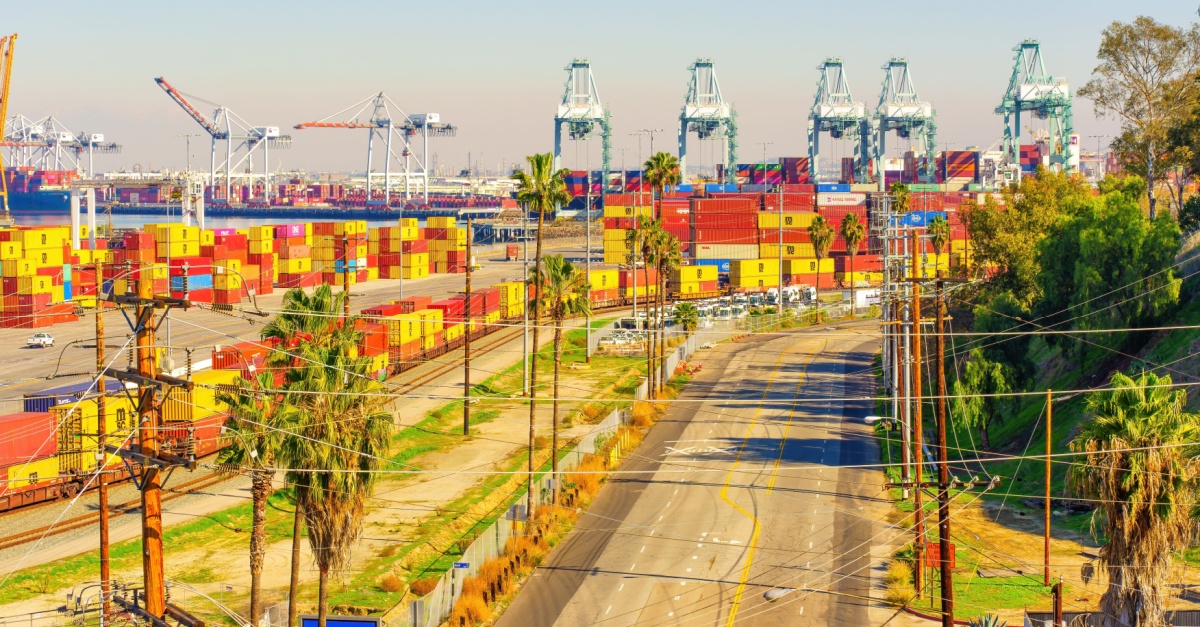
Transloading requires perfect timing. Freight must move smoothly from ship to truck, truck to rail, or between trailers. Every mile between transport modes matters. Every extra minute adds cost.
Most transloading delays don’t start at the facility. They begin with shippers when there is poor planning, inadequate communication, and missed details, well before the freight arrives for the transloading process.
2999 East Pacific Commerce Drive Rancho Dominguez, California 90221
Oakland, CA


