Transloading operations have become a vital aspect of international shipping, allowing shippers and forwarders to add flexibility to freight moves and ultimately helping optimize the process. However, transloading comes with its share of complexities, as there are a few extra variables compared to freight moving on a single mode.
This is where technology comes in, playing a crucial role in providing visibility into the transloading process. This article explores how technology has streamlined transloading operations, leading to better outcomes for everyone involved.
Although a critical aspect of any international shipping process, transloading can be riddled with inefficiencies, especially when doing it the traditional way. These challenges can slow down the process and, worse, cripple the overall logistics operation. But what are they?
Tasks like data entry, documentation, and cargo handling are all key characteristics of the transloading process. However, when exposed to manual labor, which is what the traditional transloading operation does, the repetitive, time-consuming process can make it prone to mistakes. The consequences are poor documentation or misplaced paperwork, incorrect entries, and delays in processing -- all of which can create crippling bottlenecks in the shipping process.
For the transloading process to work, there must be access to information in real-time. This way, the stakeholders or operators involved can have the necessary resources and infrastructures ready to go, leading to a faster and more efficient process. However, with traditional transloading, that is seldom the case, which means that operators will often struggle to plan ahead, leading to delays and uncertainty. When there is a lack of transparency, it complicates the decision-making process.
Transloading requires close coordination between stakeholders, including trucking companies, rail operators, warehouse staff, and port authorities. Without digital tools, aligning schedules and managing communications can become chaotic, leading to inefficiencies and missed deadlines.
Under traditional transloading, more workers are exposed to workplace accidents because of manual handling and outdated equipment or infrastructure. Poor ergonomics or failure of heavy lifting equipment, which can lead to all manner of accidents, are typical examples.
Traditional transloading methods often face challenges in maintaining accurate inventory records. Goods may be miscounted, misplaced, or lost during transfers, resulting in discrepancies that disrupt downstream operations and increase costs.
Introducing technology into the transloading operation improves the flexibility of the outcome and rate of outcome by ensuring the following:
Tech solutions, such as automated equipment and software systems, can significantly reduce processing times for each container and cargo. For example, installing robotic arms and conveyor systems can facilitate faster cargo handling while ensuring greater consistency than human workers. Automating workflows and consolidating freight shipment data on a single dashboard will also help with better decision-making and handling exceptions. All this results in higher throughput, thanks to a seamless flow of downstream supply chain processes.
Implementing technology solutions such as automation can significantly reduce the cost of the transloading process. This can be achieved by lowering operational costs by eliminating or reducing the need for manual labor, which mitigates costly errors. Real-time tracking systems also help operators plan more efficient routes, saving fuel and reducing inventory holding expenses.
With data-capturing tech solutions such as GPS, barcode scanners, and RFID systems, more shippers can access real-time information, ensuring accurate tracking and recording of goods during transloading. This way, the shippers ensure minimal error risk while streamlining supply chain processes like inventory management to reduce delays and potential losses.
Automation reduces the need for manual handling of goods, which lowers the risk of workplace injuries. Advanced machinery and safety protocols, guided by technology, create a safer working environment. For example, automated pallet movers and sensors can prevent accidents by ensuring workers and equipment operate within designated safety parameters.
By accelerating operations and enhancing reliability, technology-driven transloading ensures that goods are delivered on time and in optimal condition. This boosts customer satisfaction and strengthens relationships with clients, who benefit from improved service levels.
Considering how critical logistics operations are, optimizing them is not just a smart strategy; it is a necessity. And you cannot do it without the right partners or relevant tech solutions. The same is true for transloading. Fortunately, there is Golden State Logistics. With over 500 private chassis, real-time technology, and a focus on sustainability, the company always ensures your shipments move smoothly from start to finish. Connect with us today to see how we can help add flexibility to your freight operations.

There is no market that is more focused on going green and aware of the transportation industry’s impact on the environment than Southern California. Intermodal transportation not only helps the environment but is also cost-effective.
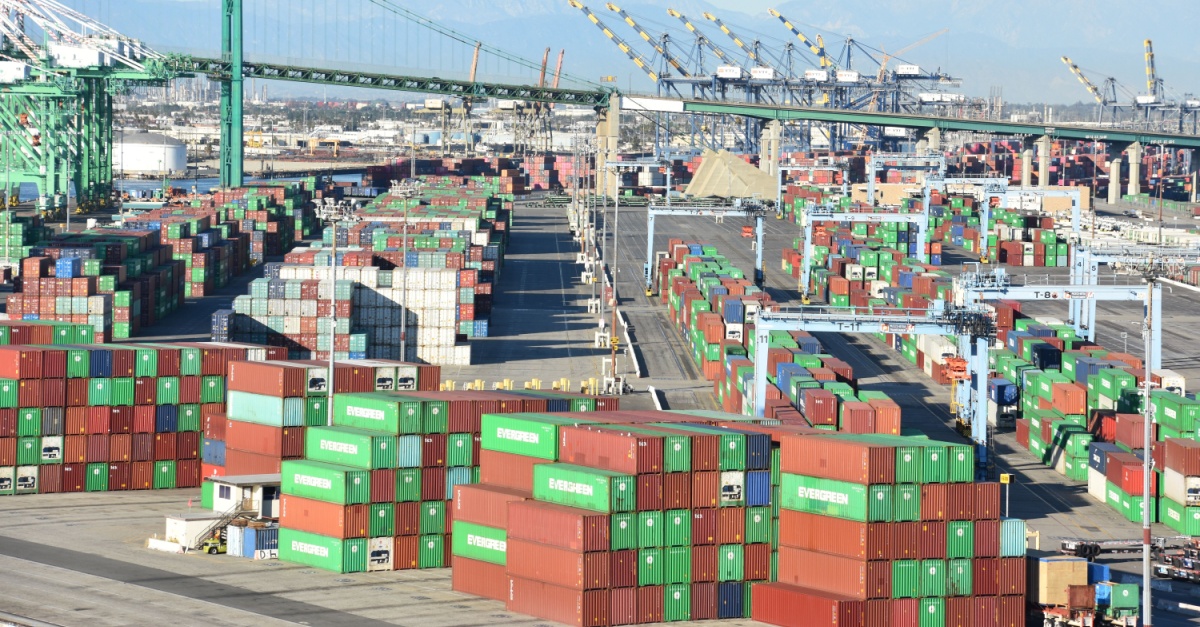
Seasonal shifts in Southern California inland transport aren’t subtle. The region’s dominance in containerized freight means even slight fluctuations can have massive ripple effects across the entire freight ecosystem.
2999 East Pacific Commerce Drive Rancho Dominguez, California 90221
Oakland, CA


