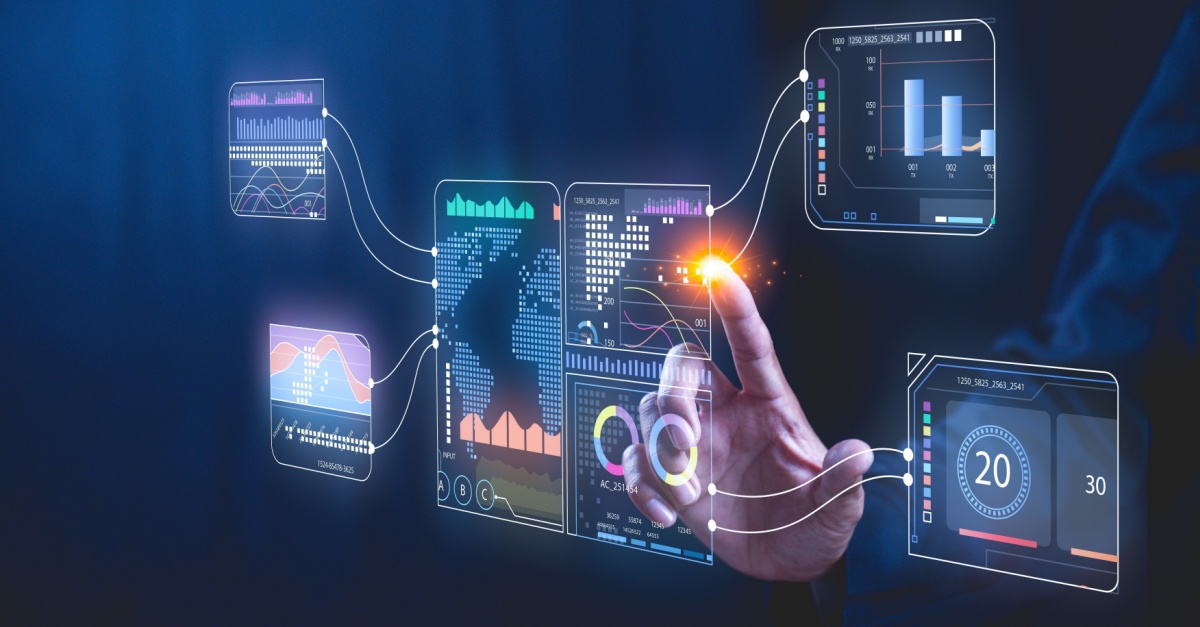
Inland transportation is a key process for supply chain operations across the country, playing the role of connecting ports, warehouses, and distribution. More importantly, it ensures that the goods reach their final destination in the most efficient mode possible. However, many shippers may struggle to make inland transportation work for them without leveraging data analytics in the process.
The inland transportation process can be challenging to manage, especially under the current business climate. Shippers and other stakeholders have to deal with fluctuating demand and rising costs due to limited visibility into operations and increasing sustainability requirements. Data analytics provides a practical solution to this problem. Shippers leveraging data analytics in the inland transportation process can use the valuable insights to improve efficiency, reduce costs, and maintain high service level standards.
Technology has given shippers more control over their overall logistics operations, especially the inland transportation aspect. The traditional methods rely heavily on manual processes, static route planning, and reactive decision-making. The problem was that this often led to efficiencies in the process, and the results were:
Shippers relying on traditional inland transportation have little to no visibility, and what little they do have can only be gleaned from fragmented tracking systems. This makes monitoring shipments and responding to delays in an efficient manner difficult.
Without data-driven insights, shippers struggle to optimize their route optimization. This means the drivers may face traffic congestion, poor road conditions, and unnecessary detours, all leading to higher fuel consumption and longer transit times.
Poor forecasting makes it difficult for shippers to plan effectively. This will often materialize in underutilized or overloaded trucks, increasing operational costs and reducing service reliability. Shippers still struggle to anticipate disruptions without real-time data and adjust their operations accordingly.
Advancements in technology and machine learning have allowed shippers to run more streamlined inland transportation, which has seen them do more with less in most cases — all while strategically reducing the cost of inland transportation. Here are some of the ways they are achieving this:
Integrating data analytics into the inland transportation process will help shippers analyze relevant data such as historical traffic patterns, weather conditions, and delivery schedules to determine the best possible routes. The tech solution also enhances dynamic routing, allowing real-time adjustments and reducing unnecessary mileage while improving delivery accuracy.
Benefits of route optimization in a highly competitive economic landscape such as what we are currently operating in include lower fuel costs, reduced transit times, and increased overall efficiency.
By analyzing and leveraging insights from historical data, shippers can predict problems much more accurately. Typical examples of these are predicting fluctuations in demand and adjusting the fleet size accordingly. Advanced analytics tools assess seasonality, market trends, and customer behavior to optimize resource allocation. This leads to better asset utilization, reduced empty miles, and improved cost efficiency.
Tracking key performance indicators (KPIs) such as on-time delivery rates, cost per mile, and fuel efficiency can be a game changer because they provide the shippers with valuable insights for continuous improvement. Shippers and other stakeholders involved in the process can enhance service levels and operational effectiveness by identifying inefficiencies and making data-driven adjustments.
Integrating telematics, GPS, and sensor data provides real-time information such as shipment locations, estimated arrival times, and potential delays throughout the inland transportation process. The information from these tech solutions can be analyzed, even in real time, allowing logistics and transportation managers to proactively address issues, update customers accurately, and minimize disruptions.
Data analytics in inland transportation provides a unique approach to sustainability for shippers. It helps shippers measure emissions and fuel usage to identify opportunities for reducing their carbon footprint. Optimized routes and improved load planning contribute to lower fuel consumption and compliance with environmental regulations.
Data analytics helps shippers optimize their inland transportation, reduce costs, and enhance sustainability efforts. However, this is not the shipper’s responsibility, which is why Golden State Logistics is a valuable stakeholder in the logistics process. The company leverages a team of experts and state-of-the-art technology solutions to offer seamless inland transportation solutions.
Golden State Logistics provides reliability through quality service and on-time deliveries, leveraging tracking and data insights for greater efficiency. This way, you have drayage logistics solutions that offer port efficiency and flexibility and will deliver solutions that fit your needs. Get in touch with us today.
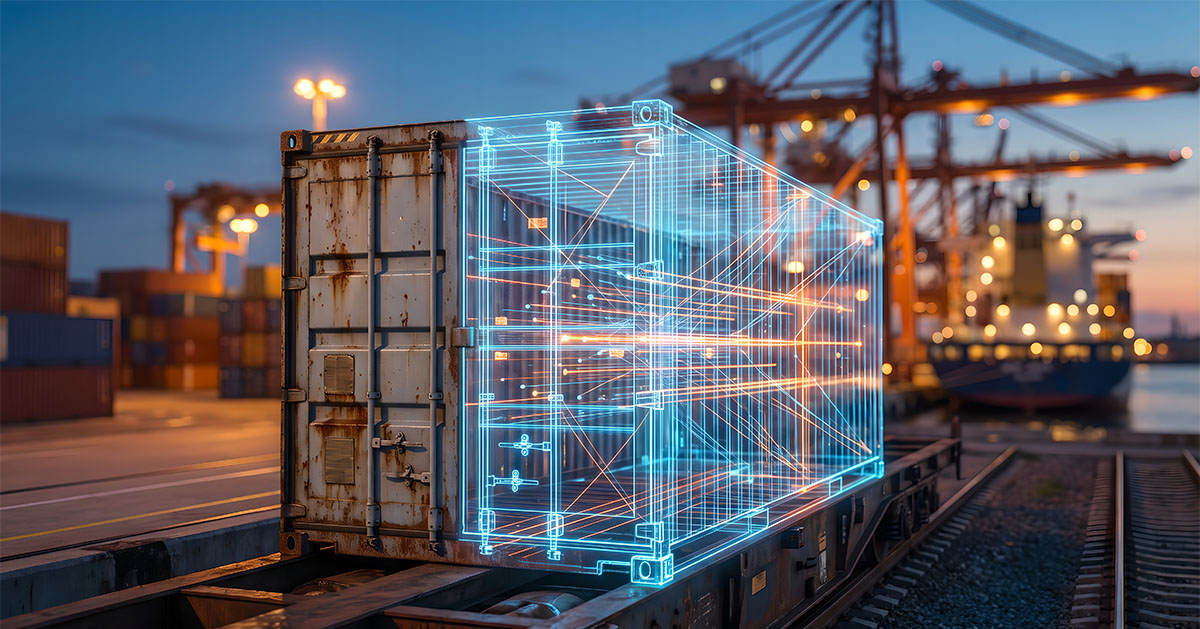
The technology that is remaking port operations is already changing how quickly a box clears the gate and how accurately it is located in the yard.
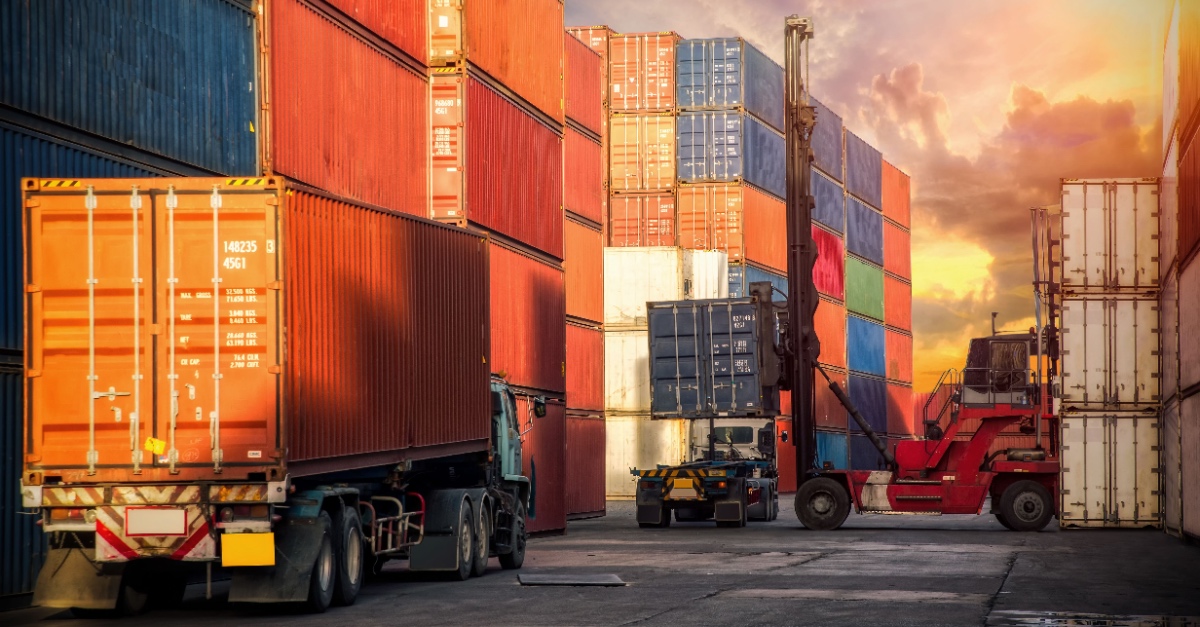
Transloading services offer flexibility and resilience through seamless transitions between transportation modes. By incorporating technology and forward-thinking strategies, transloaders can offer your business a competitive edge that enhances supply chain efficiency and cuts costs.
2999 East Pacific Commerce Drive Rancho Dominguez, California 90221
Oakland, CA


