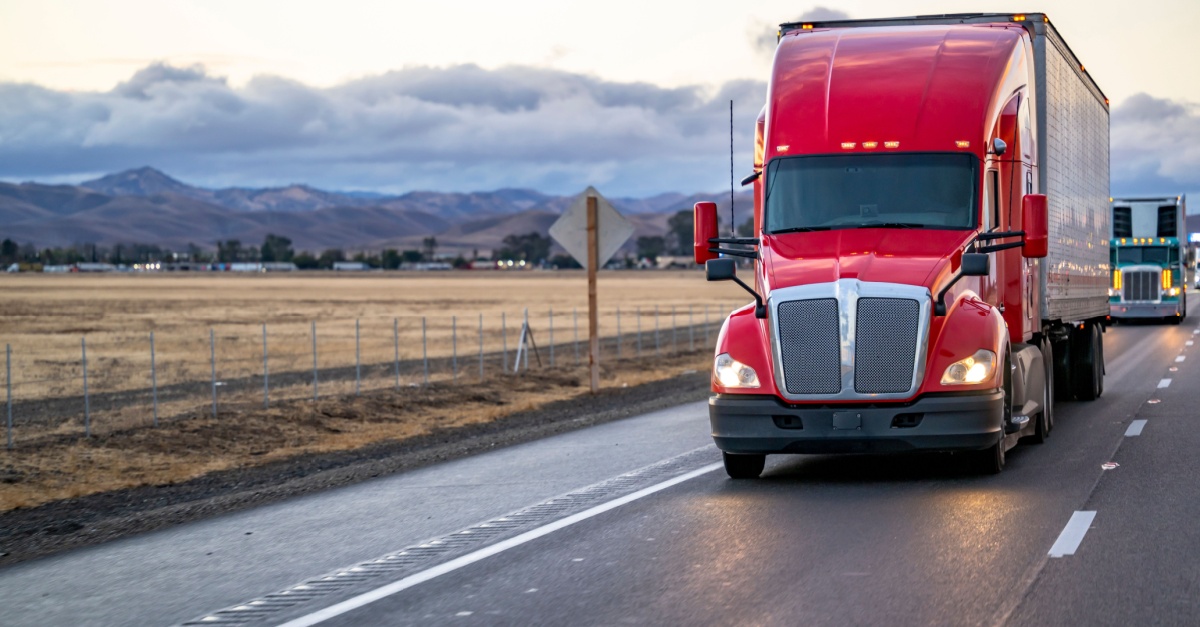
Transporting cargo from ports or warehouses to faraway customers can feel like a gamble. Despite the innovation in logistics and transportation processes, long-haul inland transportation is still a constant headache. Unfortunately, shippers are paying the price, constantly struggling with late deliveries, high costs, damaged goods, and unpredictable delays.
The challenge with long-haul inland transportation is that one misstep can lead to many problems. For instance, a single delay can throw off an entire supply chain, leading to missed deadlines, upset customers, and lost revenue. The good news is that this doesn’t have to be the norm. With the right approach and cost-saving strategy, shippers can move freight faster, safer, and more cost-effectively.
The best practices explored in this article will help shippers get the most out of long-haul inland transportation. So what are they?
Poor route planning and management leave the shippers at the mercy of factors they cannot control. They are exposed to delays, wasteful fuel consumption, and increased costs. However, that doesn’t have to be the case. Today, shippers can leverage various tech solutions to ensure route optimization in inland transportation like never before. These solutions allow them to optimize and effectively manage their long-haul operations.
Some of the strategies to achieve this include:
Modern GPS solutions allow drivers to analyze roads, traffic, and weather conditions, giving them enough information to choose the best route. With AI-based routing, some of these solutions are now advanced enough to predict bottlenecks and suggest alternative paths.
Shippers and other stakeholders in the shipping process can analyze data from past shipments to identify common problem areas. For example, if a route often has delays due to construction, planners can find a better option before problems arise.
The average driver in Los Angeles spends more than 100 hours in traffic annually. Smarter routing through various tech solutions can reduce this waste.
Not all carriers provide the same level of service. While some are more reliable, others may offer lower costs. But whatever the case, it is essential to pick carriers that align with company goals and maintain a relationship with them to ensure smooth and optimal deliveries.
The following checklist will ensure shippers can make the right choice when selecting shippers.
Before partnering with a supplier, shippers must consider KPIs such as on-time delivery rates, safety records, and fuel efficiency. This will help them identify high-risk carriers. For instance, a carrier with a history of late shipments could cause problems for the business.
A well-defined contract sets expectations for the life of the partnership, and it becomes much simpler to keep the carriers accountable. However, a strong relationship with logistics service providers like Golden State Logistics can help the shippers unlock massive gains and increased throughputs. Overall, shippers that consistently work with the same carriers for a long time often get better results than those that switch frequently.
Capacity constraints can be a problem for major retailers or shippers, especially during the peak seasons, like the holidays. Carriers that can increase and shrink capacity for shippers make the process much more efficient.
Freight booking and scheduling can impact the entire shipping operation, but it depends on how early and prepared the shipper is. For instance, booking early allows the shippers to work with reliable carriers and ensures access to better rates, saving costs.
The following will help:
Comparing different shipping options and services from various carriers allows shippers to compare major factors like pricing, reliability, and delivery performance. This helps avoid overpaying and engaging with the wrong carriers.
When trucks are forced to wait too long at warehouses or delivery points, it can lead to extra costs and sometimes impact the carrier relationship. It is important to ensure tight pickup and drop-off windows to reduce downtime and keep everything moving.
Transportation costs are dynamic, rising and falling depending on market factors. The problem is that these costs and other unexpected fees add up fast. However, they can be controlled, which in turn helps to protect profit margins.
Fuel is one of the biggest transportation costs. However, shippers can control the situation by monitoring rates and tweaking budgets in real time to match current prices by keeping track of fuel surcharges.
Shippers that move freight regularly can secure better long-term rates by locking in contracts with carriers instead of relying on fluctuating market rates.
Delays lead to detention fees when trucks sit at warehouses too long. Avoiding these delays reduces costs.
To get the most out of long-haul inland transportation, shippers need experts with experience and relationships that can make their shipping much more streamlined. One such expert is Golden State Logistics. The company provides reliability through quality service, giving shippers the edge they need to advance in a highly competitive landscape.

Experienced drayage providers come equipped with expertise, ample resources, and useful relationships that ensure your cargo is transported seamlessly in and out of the ports.
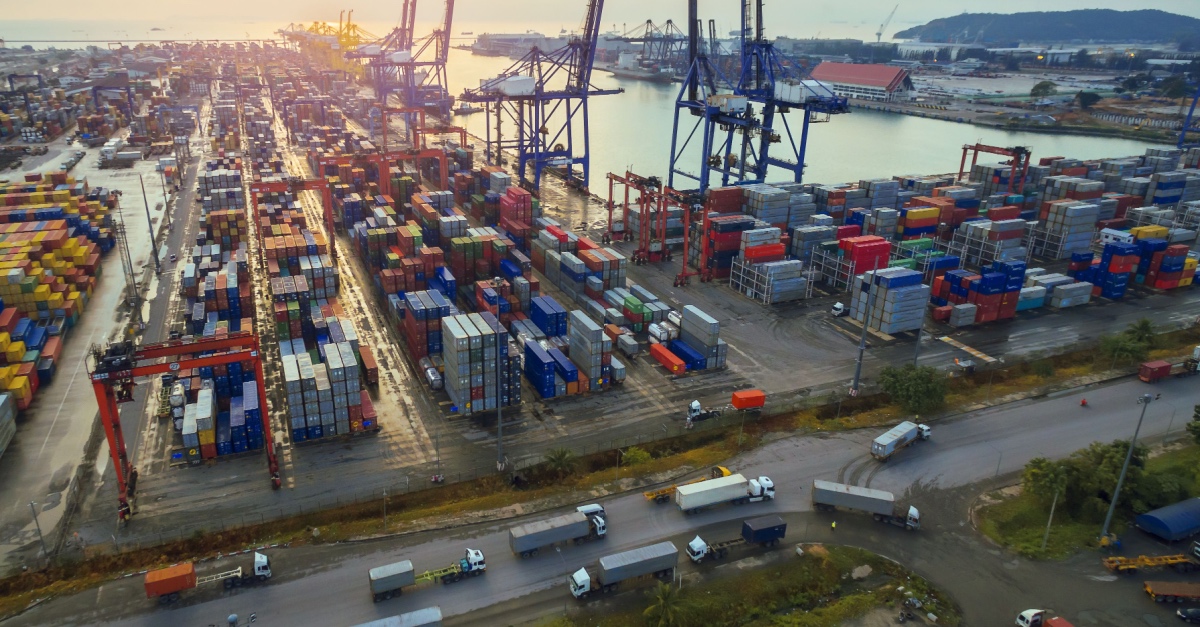
Modern logistics and shipping operations are looking for multimodal freight options to build redundancy into transport operations because of the endless disruptions impacting the industry.
2999 East Pacific Commerce Drive Rancho Dominguez, California 90221
Oakland, CA


