Modern shipping has come a long way in the last few decades, thanks to the pursuit of efficiency that is now at the core of operations. While a broad term, efficiency is about tweaking existing processes and cost structures, with transloading impacting the latter — serving as an essential method for reducing costs and improving delivery times.
In essence, transloading is the process of transferring goods from one mode of transportation to another during the shipping journey. Transloading freight enables shippers to optimize logistics, cut transit times, and lower expenses. That said, transloading comes with its fair share of challenges and risks, especially when fragile and high-value items are involved. A transloading process riddled with poor handling, improper packaging, and inadequate security can lead to significant losses for a shipper.
This article will explore some of the best practices shippers can leverage to maintain product integrity, avoid costly claims, and strengthen their reputation for reliability.
While transloading enhances supply chain flexibility, a certain degree of planning and preparation is essential to lay the ground for success. These include:
Before goods move through a transloading facility, shippers and other stakeholders must understand the potential risks and how to mitigate them because it will help them minimize disruptions. More shippers must map out every process stage to identify vulnerabilities such as excessive handling, environmental exposure, or security lapses. Following that, contingency plans should be instituted to address unexpected delays, weather conditions, or equipment failures.
The fact is that not all transloading facilities are equipped to handle sensitive shipments. This means shippers must find facilities that cater to fragile and high-value goods. These facilities should offer:
Clear documentation is key to maintaining visibility and accountability before, during, and after transloading. It is especially vital for fragile and high-valued goods because it creates a paper trail and records for reflections if necessary. Every shipment should have:
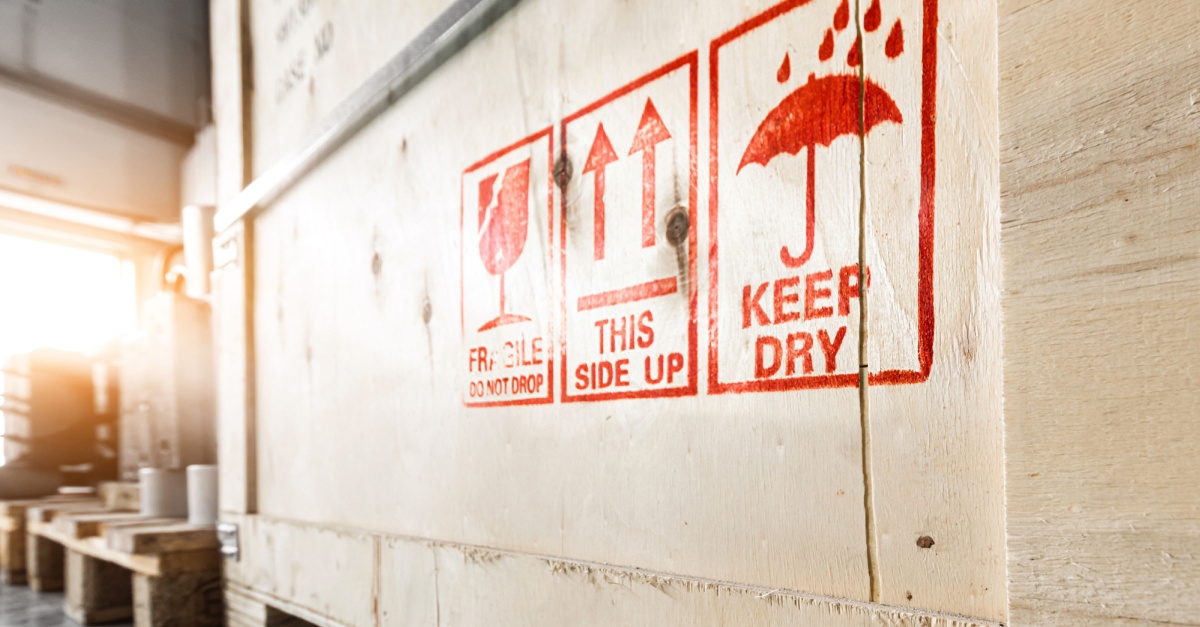
Proper packaging and labeling reduces the risk of damage. However, for fragile and high-value items, the process may differ. For success, the following strategies will be necessary:
Transloading fragile and high-value items can be more complicated than the usual transloading process. However, certain practices can be leveraged to streamline the entire process and make it much more efficient.
Reducing unnecessary handling is one of the most effective ways to prevent damage. To do that, shippers and other stakeholders in the process must rely on automated lifting systems, while conveyors should be used wherever possible to limit human contact. When manual handling is necessary, workers should be trained to:
High-value shipments are attractive targets for theft, necessitating a robust security protocol. To achieve that, it is essential to ensure:
Temperature and atmospheric conditions are vital for certain shipments, especially fragile ones. This is because even the slightest change can damage the shelf life of these goods. Many of them may not make it through the transloading and transportation process. To get the environmental control right, the following will be necessary:
Regular quality control and inspections of the facility, tools, and pieces of equipment help catch issues before they become costly problems. Every shipment should be examined thoroughly, and doing that entails:
Considering how critical logistics operations are, optimizing them is not just a smart strategy; it is a necessity. And you cannot do it without the right partners or relevant tech solutions. The same is true for transloading. Fortunately, there is Golden State Logistics. With more than 500 private chassis, real-time technology, and a focus on sustainability, the company always ensures your shipments move smoothly from start to finish. Connect with us today to see how we can help add flexibility to your freight operations.
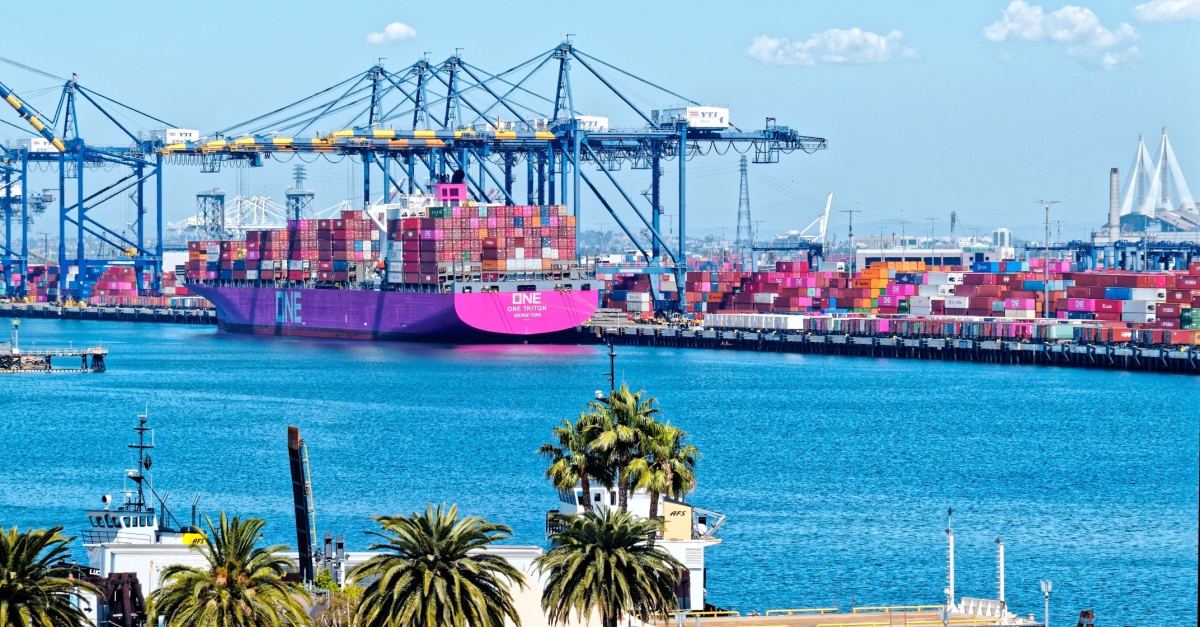
With rising freight costs and complexities, an average logistics operation can greatly benefit from leveraging multimodal transport options, adding much-needed redundancy to transport moves. Central to such an exercise is transloading.
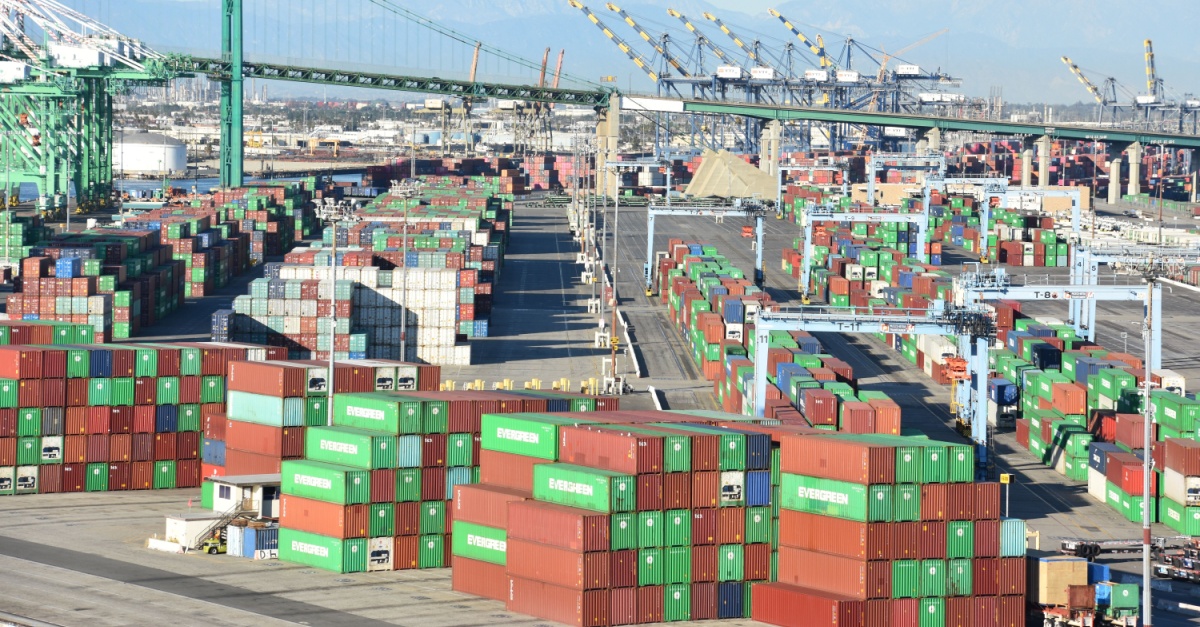
Seasonal shifts in Southern California inland transport aren’t subtle. The region’s dominance in containerized freight means even slight fluctuations can have massive ripple effects across the entire freight ecosystem.
2999 East Pacific Commerce Drive Rancho Dominguez, California 90221
Oakland, CA


