Transportation costs are a significant aspect of any supply chain operation, especially considering the urgency and, often, the need for extra attention in handling shipments. With rising freight costs and complexities, an average logistics operation can greatly benefit from leveraging multimodal transport options, adding much-needed redundancy to transport moves. Central to such an exercise is transloading.
Transloading is the linchpin of different transport modalities and, in many cases, transfers within the same modality. For shippers, leveraging different modes of transportation helps, as each mode has advantages and disadvantages. For example, trucking offers shippers much more flexibility but can be expensive due to limited capacity availability and volatile fuel costs. On the other hand, maritime transport via vessels or barges might be cheaper but lacks flexibility.
Leveraging transloading effectively entails managing multiple modes of transportation to achieve desired results while reducing costs. This article will explore this in detail and address key considerations for successful implementation.
Transloading can help shippers manage the cost of shipping, but for that to happen, they have to implement the process correctly. Here is how transloading can reduce shipping costs.
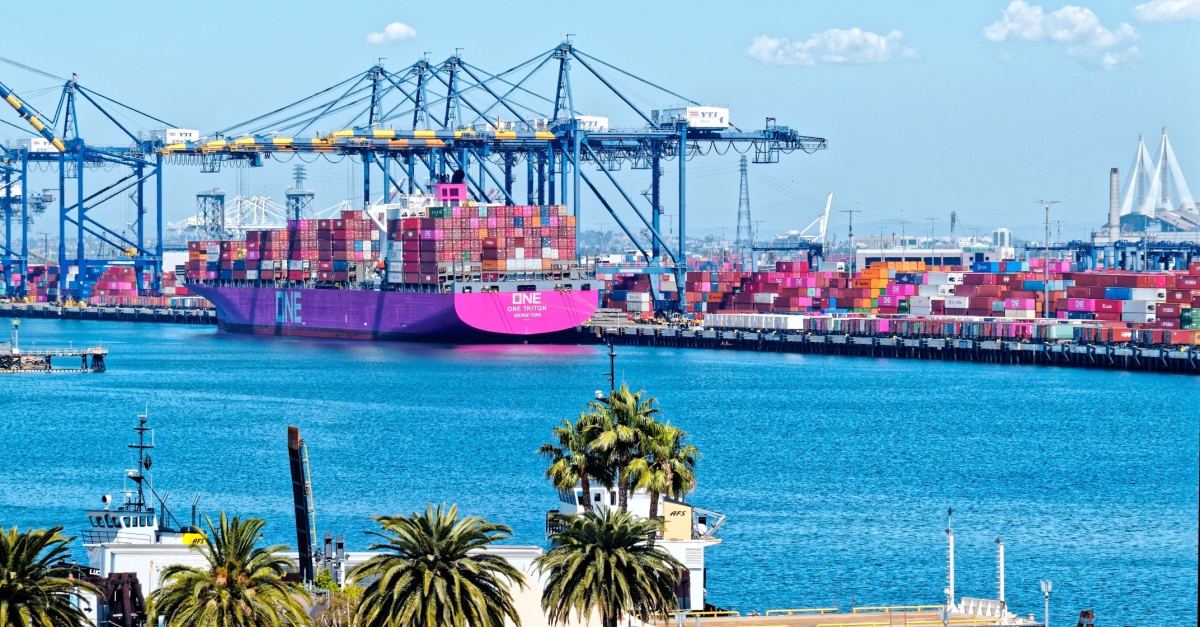
Through transloading, shippers can properly utilize the advantages of each mode of transportation in the same shipping process, thereby making it significantly cheaper. Take, for example, a shipper whose cargo arrives at the Port of Long Beach from Shenzhen, but the final destination of those products is Columbus, Ohio.
The shipper can leverage railroad operators like BNSF or Union Pacific to reach Chicago from LA and transload the shipment onto a truck from the inland port in Chicago to finally reach the facility or warehouse in Columbus. While multimodal transport can add time to the delivery, the shipper can save on logistics costs.
Behind air freight, trucking is the most expensive mode of transportation for shippers because of cost factors like fuel, maintenance, and labor. Using it for long-haul freight will only exacerbate the expenses. However, as in the previous example, transloading allows shippers to eliminate or reduce long-haul trucking by introducing other viable options like water and rail transportation. Trucks are then reserved for shorter and more targeted routes, which helps the shipper reduce the overall transportation costs.
Transloading facilities make it possible for shippers to consolidate smaller shipments into larger loads for long-haul transport, which in turn reduces their per-unit shipping costs. Rail and ocean carriers, in particular, benefit from economies of scale, as they can transport several containers en masse than individual full truckloads. This approach reduces overall freight expenses while improving logistics efficiency.
Transloading provides access to transportation networks that might otherwise be inaccessible. For example, goods arriving at coastal ports can be transferred by rail for inland delivery, reaching destinations far from the original entry point. This strategy extends the reach of supply chains and allows companies to tap into cost-effective rail networks for large portions of their shipping routes.
Shipping risks can be very costly. For example, the breakdown of a vehicle can expose the goods being shipped to theft or damage if they are refrigerated products. Another example is navigating driver shortages, which has led to significant wage increases and driven up shipping costs. However, by leveraging transloading, these shippers can mitigate risks, reduce exposures, and save more.
A few things must be in place to ensure seamless transloading operations. Here are the key considerations:
Ensure the transloading facilities are located near major transportation hubs, such as ports, rail terminals, or key highways. Adequate infrastructure, including rail sidings, warehouses, and loading docks, is essential for smooth and efficient transfers between the modes of transportation.
Advanced tech solutions and equipment such as cranes, forklifts, conveyors, and other tools designed to handle various types of cargo must be in place for transferring goods between different modes of transportation. They minimize the time for transloading and the risk of damage.
Effective coordination must be in place to avoid delays and disruptions during transloading. Shippers and other stakeholders must ensure schedules align and that goods are transferred promptly from one mode to another. Advanced planning and communication between the stakeholders will help make this more feasible.
Reducing the cost of shipping operations through transloading is achievable, but you need the right partner to get you over the hump. Golden State Logistics specializes in optimized transloading solutions designed to reduce shipping costs. With our robust technology, expertise, and experience, logistics and supply chain teams can streamline their transloading operations while protecting cargo and controlling costs. Get in touch with an expert at GSL today to explore tailored solutions for your transloading needs.

Exploring a dozen proven strategies that can be leveraged to improve port drayage operations.

Tech solutions like real-time tracking, automation, and predictive analytics empower logistics managers by enhancing their ability to maximize the efficiency of inland transportation.
2999 East Pacific Commerce Drive Rancho Dominguez, California 90221
Oakland, CA


