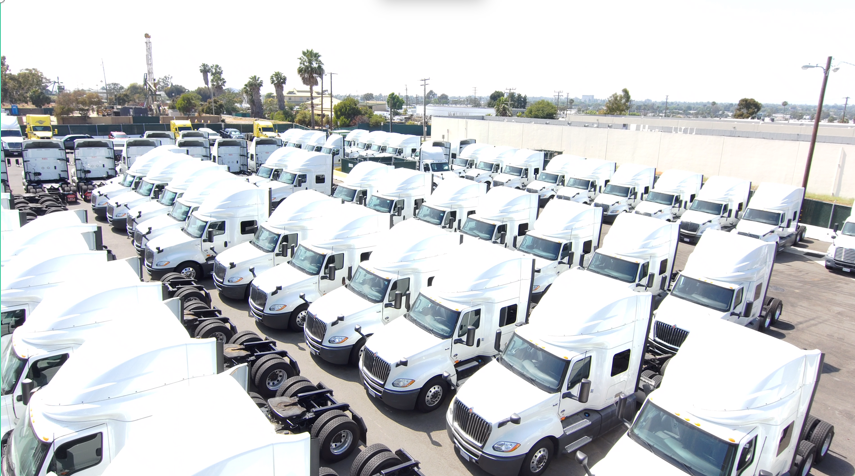
Although often understated, port drayage is critical to international shipping and supply chain operations. It allows shippers to move their containers and shipments from the ports of entry to the exact market within the country where they are needed. However, operations can experience delays and higher costs without the right strategies and methodology, such as leveraging private chassis fleets.
Logistics services providers with privately owned chassis fleets offer a higher degree of reliability in a drayage environment that is significantly tilted toward renting and leasing from chassis pools. These private chassis fleets are increasingly gaining relevance in ports like Los Angeles and Long Beach, the biggest containerized port complex in the U.S.
This article explores the benefits of leveraging private chassis fleets and how they can address common challenges in port drayage operations.
Shared/pool chassis systems, which are in wide use today, cater to different drayage trucking providers working with the ports. While chassis pools can be viable during the off-peak seasons, peak season can create logistics bottlenecks, leading to delays in picking a chassis and disruptions to loading schedules. We elaborate on this challenge and a few more below:
Shippers relying on logistics services providers that utilize shared chassis pools may encounter challenges, particularly during peak seasons or periods of significant port congestion. An example is the chassis shortage that impacted operations across California’s busiest ports at the height of the pandemic. These shortages can delay shipments, increase idle times, and disrupt tightly planned shipment schedules. Additionally, chassis imbalances, which occur when too many units accumulate in one location while others face deficits, further exacerbate the problem, complicating logistics planning. For example, the ports of Los Angeles and Long Beach have a shared chassis pool called the Pool of Pools. When there are too many units in one port over the other, it can impact the entire shipping process.
Because these shared chassis pools are accustomed to a large number of stakeholders and activities, they require considerable maintenance efforts to keep the chassis in good condition. However, the situation can vary between pools; in many cases, the chassis is in less-than-ideal condition. Poor maintenance can lead to breakdowns, which pose safety risks and cause delivery delays.
Because there are limited chassis serving too many dray carriers, there are often delays in securing available or functional chassis. This contributes to prolonged container dwell times at ports, increasing the likelihood of incurring demurrage fees, which can quickly add up and erode profit margins.
Time spent locating and securing shared chassis detracts from overall productivity. Furthermore, the administrative burden of managing agreements and disputes over shared assets creates inefficiencies that could be avoided with a more controlled approach.
Unlike the shared/pool chassis, private chassis fleets are more controlled, ensuring shippers can tightly monitor and keep their drayage pickup scheduling. Here are a few reasons why private chassis fleets have become invaluable for many shippers:
Owning a private chassis fleet ensures the equipment is always available whenever and wherever needed. This way, shippers know their dray provider has few to no delays. Delays caused by shortages or imbalances are eliminated, providing shippers with greater control over the shipping process and enabling them to reduce their indirect reliance on external chassis providers.
Shippers, especially those with time-sensitive shipments, prefer certain quality and standards because they give them greater control and flexibility over the entire process. With private chassis fleets, shippers can set and maintain high on-time arrival standards. Regular inspections and timely repairs by the dray carrier ensure equipment is in optimal condition, reducing the risk of breakdowns and enhancing safety for drivers and cargo.
Shippers have faced situations in which efforts to maintain seamless supply chain flows, including port operations, were disrupted by chassis shortages — leading to longer dwell times and higher demurrage costs, ultimately impacting their financial bottom line. When these shippers can access a reliable chassis supply, they can ensure their containers move promptly, minimizing financial burdens like dwell times, demurrage, and detention. This helps improve operational efficiency, as well as the ability to ensure overall cost optimization.
With private chassis fleets, shippers can customize equipment to meet their specific needs, such as accommodating different container types or sizes. This adaptability allows companies to respond more effectively to changing demands and priorities.
Drivers benefit from using reliable, well-maintained equipment, which reduces stress and maximizes productivity. A consistent supply of safe and functional chassis also enhances overall operational reliability.
Private fleets provide more stable and predictable costs compared to fluctuating rental or per-diem charges associated with pool chassis. This predictability aids in budgeting and financial planning, giving businesses a clearer understanding of their expenses.
Shippers can benefit from partnering with dray carriers like Golden State Logistics that utilize private chassis fleets to achieve consistent performance in drayage operations. These fleets allow drayage providers to control availability, condition, and deployment, eliminating common disruptions associated with shared chassis pools, especially during peak seasons or periods of congestion. Here are ways shippers can maximize this approach:
Collaborating closely with dray carriers will enhance the shipper’s ability to align delivery and pickup schedules. This way, they can ensure that the chassis equipment is ready when needed. While dray carriers often allocate private chassis fleets to specific routes or clients to minimize delays caused by equipment shortages or misallocation, seamless shipment movement along the supply chain ultimately depends on effective collaboration between carriers and shippers.
Shippers need to ensure their dray providers have reliable and well-maintained chassis to guarantee the safety and quality of their equipment. Shippers benefit from reduced breakdowns, ensuring cargo moves efficiently and meets delivery windows.
Flexibility is also a non-negotiable in the world of shipping. For example, last year’s collapse of the Francis Scott Key Bridge in Baltimore spurred last-minute changes to shipping schedules. Ensuring drayage carriers with private fleets can more effectively adjust to shifting demands will help shippers ensure the much-needed flexibility in their operations. Whether there’s an unexpected surge in volume or a need for specialized equipment, private chassis fleets should be able to adapt without the bottlenecks typical in pooled systems.
Many drayage carriers operating their own private fleets use advanced tracking systems to monitor equipment in real time. This way, they know the location of all their chassis, including those transporting shipments, at any given time. Shippers can leverage these systems by integrating tech solutions with their infrastructure. This way, they gain visibility and complete transparency into the movement of goods, enhancing coordination and proactive decision-making. When partnering with a drayage provider, always ensure they can allow for technology integration.
Collaborating with carriers, prioritizing reliability, and investing in private fleets creates a foundation for sustained operational efficiency. These partnerships often include tailored solutions that align with specific business needs, fostering mutual growth and dependability.
By working long term with dray carriers that own private chassis fleets, shippers can streamline operations, reduce risks, and ensure smoother cargo transitions throughout the supply chain.
In Southern California, thanks to Golden State Logistics, shippers can enjoy all the perks of the private chassis fleet without actually owning it.
GSL has served the ports of Los Angeles and Long Beach for decades. Our fleet includes more than 500 private chassis, and we have terminal connectivity for greater visibility. The company relies on strong tech infrastructures to ensure you leverage the right data and tools. These include truck and chassis locations, status updates, EDI/API connectivity, and tracking down to the PO level.
With Golden State Logistics, you can enjoy the same level of control or customization. With GSL, you can operate like you own the chassis. Contact us today to see how we can help you add flexibility to your freight operations.
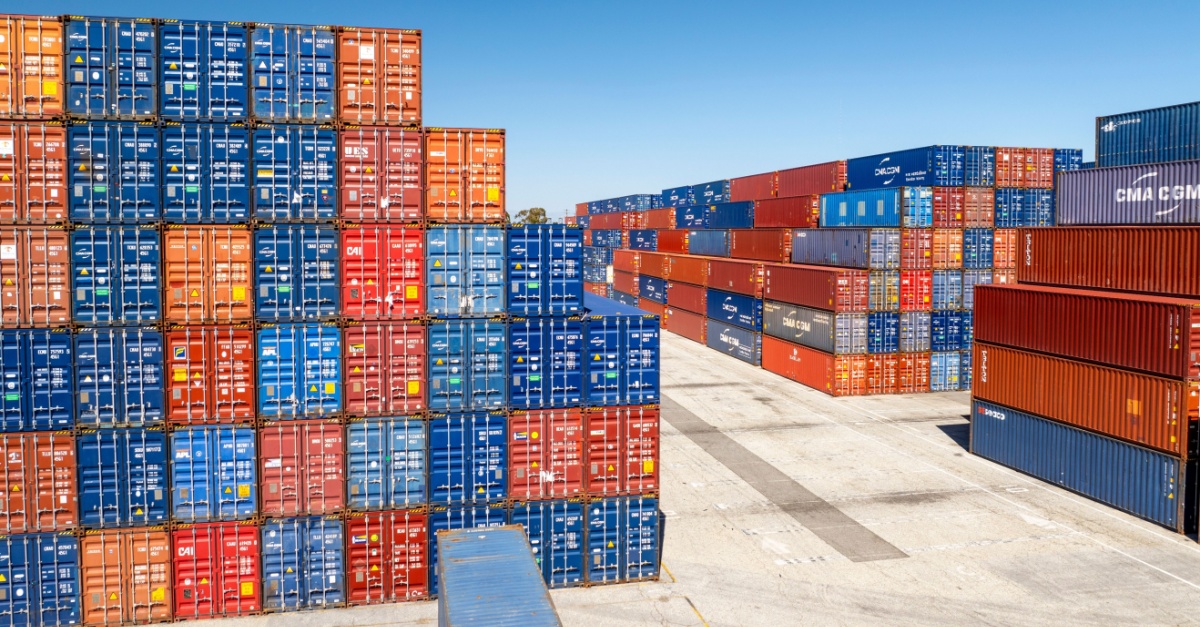
Transloading metrics have a real impact on daily freight decisions, but getting it right necessitates knowing what to look for. In busy regions like Los Angeles and Long Beach, seven transloading metrics matter most.

Even two or three days of avoidable charges per container can add up to thousands of dollars for a shipper that moves 50 containers a month.
2999 East Pacific Commerce Drive Rancho Dominguez, California 90221
Oakland, CA


