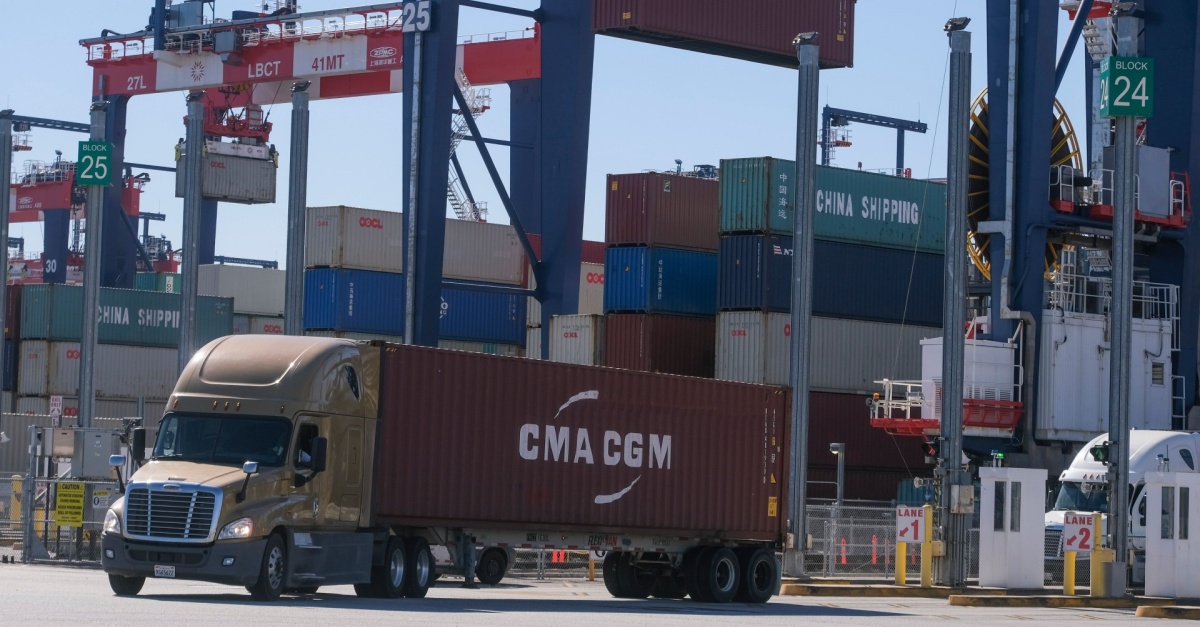
Port drayage plays a crucial role in global supply chains, ensuring that shipments move efficiently from ports to warehouses and distribution centers. When managed effectively, drayage keeps costs down, prevents delays, and ensures goods reach their destinations on time. However, drayage operations often face obstacles such as congestion, rising costs, and regulatory complexities that can disrupt the flow of goods.
A prime example of these challenges can be seen in Southern California, home to the ports of Los Angeles and Long Beach. Handling nearly 40% of U.S. container imports, these ports experience heavy traffic and logistical hurdles that shippers must navigate to maintain smooth operations.
Here are the common challenges and how to overcome them:
It is not uncommon to encounter crowded ports in Southern California. Moving the largest volumes in the country ultimately means that ships, trucks, and workers will compete for space. In cases when too many vessels are at the dock, and a large number of containers are unloaded at the yard, long wait times follow.
Although shippers have no control over port congestion, there are strategies and solutions they can leverage to ensure it is not a problem for them.
Real-time data platforms can provide updates on wait times and traffic conditions. This information allows shippers to schedule pickups when ports are less crowded.
Experienced providers know the best times to pick up containers and can plan accordingly. They also have the expertise and technology to make sure the process is as seamless as possible for the shipper.
Port operations run on tight schedules. This means that if a truck misses its pickup window or lacks the right paperwork, delays can follow, and extra fees start to pile up.
Here is how to ensure that is not a problem:
Digital tools exist to help shippers book drayage in advance. This way, they can avoid last-minute rushes and the confusion that comes with them. Delays, such as demurrage and detention, also attract higher fees.
Documentations, like the bill of lading and customs clearance, are necessary during port operations and must be available before carriers can pick up the container. Delays caused by missing paperwork can lead to additional and unnecessary storage fees.
Many delays occur when shippers don’t realize they need extra approvals. Checking with port authorities in advance can help avoid unnecessary holdups.
Chassis, containers, and well-maintained trucks are all necessary equipment to make the port drayage process seamless. However, progress can be difficult when these items are in short supply. For instance, the chassis shortage in recent years has made it harder for shippers to move containers quickly. The equipment’s unavailability forces shipments to sit idle, leading to delays and potentially attracting extra costs.
This is how to make sure it is not a problem:
Shippers can work with providers such as Golden State Logistics, which offers dedicated private chassis pools. This ensures trucks have the right equipment when needed.
A faulty chassis or damaged container can halt shipments. Routine checks prevent last-minute surprises. Ports do offer pooled chassis systems, giving shippers access to more equipment.
Port drayage expenses continue to rise. Fuel, labor, and storage fees can quickly add up without control measures. Poor operational planning usually attracts higher costs, such as demurrage and detention, making shipments more expensive than necessary.
Here is how to keep port drayage costs low:
Negotiating stable contracts with drayage providers prevents price spikes.
Shippers should leverage tech solutions for route optimization, effective scheduling, and communication. This way, they can streamline operations, ensure minimal delays, and increase their throughput.
Southern California ports have strict emissions rules, truck regulations, and customs requirements. All of these are designed to ensure goods can move in and out of the ports in the most efficient and effective manner. That said, regulations can be challenging to navigate. Compliance means staying updated and working with other companies that are well-positioned and compliant, so there are no holds and delays.
Do the following to ensure compliance:
The California Air Resources Board (CARB) enforces clean truck rules. Drayage fleets must meet emissions standards to operate at ports.
Shippers should verify that their drayage providers follow all regulations. Noncompliant carriers may be denied access to the ports.
Importers must submit accurate customs filings to prevent delays. U.S. Customs and Border Protection (CBP)often holds shipments with incorrect paperwork.
Shippers don’t have to deal with these problems alone. Golden State Logistics is your reliable port drayage provider, offering expert services across Southern California. With us, you are sure of:
1. Fast and efficient pickups.
2. Accurate scheduling and documentation.
3. Reliable equipment and chassis access.
4. Regulatory compliance.
Our team monitors port conditions to schedule pickups when congestion is lowest, handles all paperwork ahead of time to prevent delays, and ensures every truck is fully equipped for each job. Let’s talk.
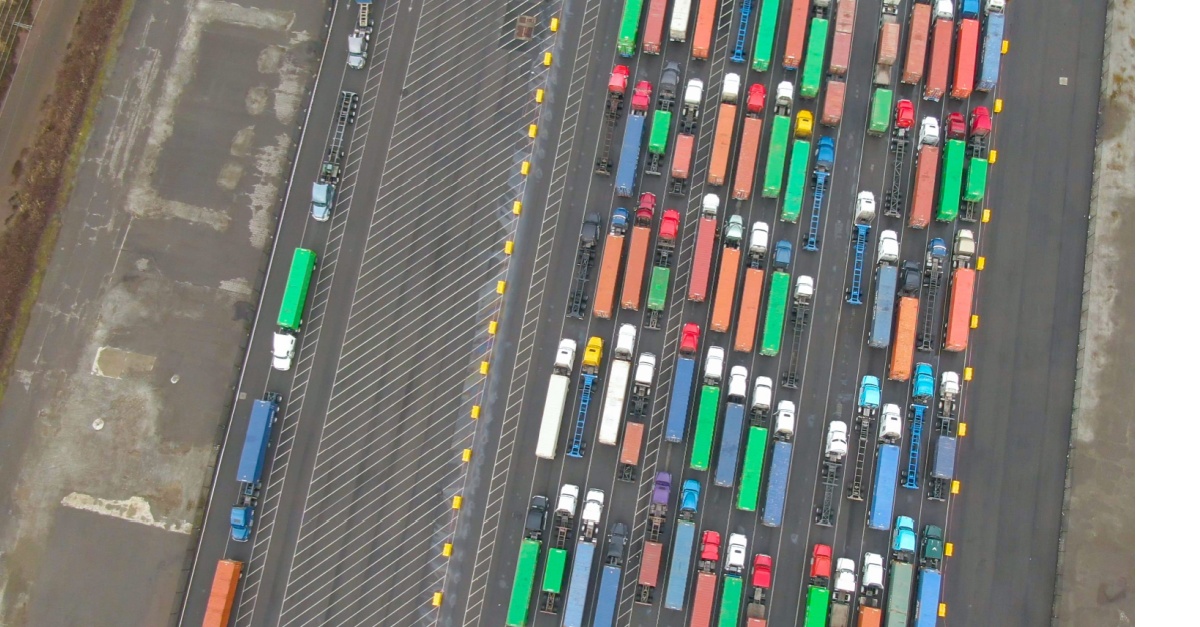
Inland transport is the bridge between ports and customers, the path your freight takes after leaving the port — whether it is heading to a warehouse in the Midwest or a regional hub in the Southwest.
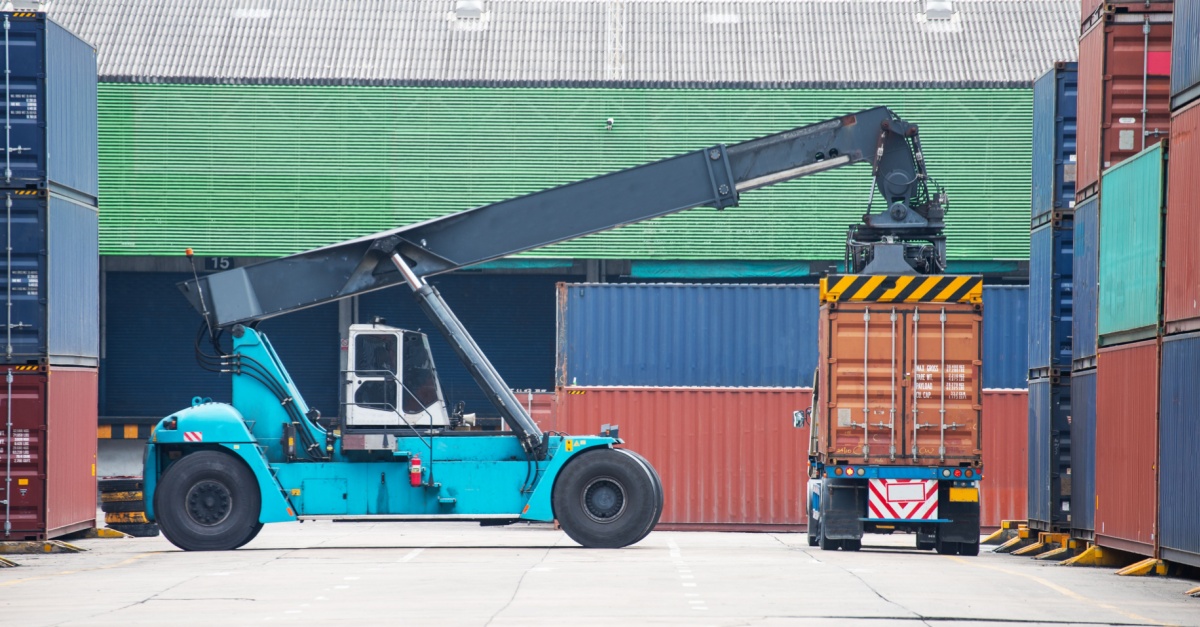
Some shippers think transloading means moving cargo from one truck to another. That is only part of modern transloading operations. Today, it is a high-speed, tech-driven process that improves freight throughput and reduces costly slowdowns.
2999 East Pacific Commerce Drive Rancho Dominguez, California 90221
Oakland, CA


