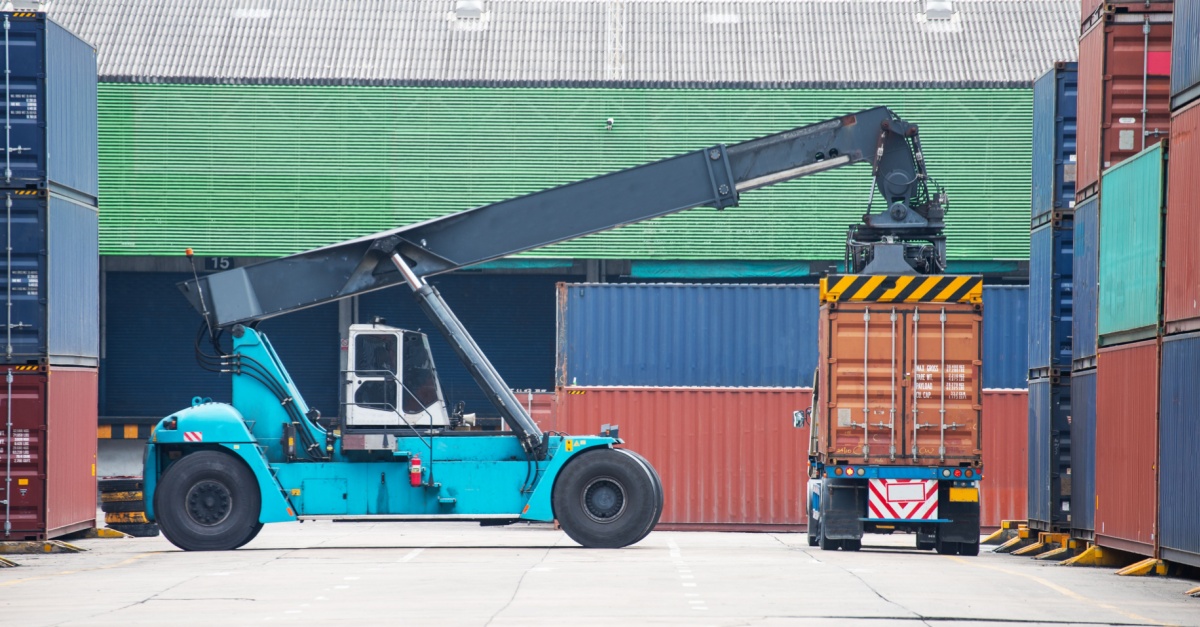
Some shippers think transloading means moving cargo from one truck to another. That is only part of modern transloading operations. Today, it is a high-speed, tech-driven process that improves freight throughput and reduces costly slowdowns.
This is why treating transloading as a passive handoff keeps warehouses clogged and shipments late. The most efficient supply chains build their edge inside the transloading hub. And in this article, we will explore how to do that.
In modern logistics operations, the real bottleneck is not the vessel, it’s a transloading process that can’t keep up with volumes. Every minute a container is sitting still, it costs the shipper money, which is why boosting throughput inside transloading operations is vital for more shippers than ever before.
Transloading can directly improve delivery performance. Here are the best practices to ensure that:
When trucks arrive without an appointment, they are forced to wait, which can automatically drop throughput. The fastest transloading hubs plan their drayage operations in advance. This way they avoid pileups by scheduling container arrivals based on the availability of the dock.
Every inbound container should have a preassigned slot. It keeps drivers moving and containers turning. At high-performing transloading hubs, yard managers stagger drop-offs throughout the day to optimize efficiency. They utilize live tracking and scheduling software to optimize workflow. This keeps docks busy without overloading teams.
It is essential to separate the transloading operation from long-term storage. Mixing operations creates confusion, delays, and safety issues. Modern logistics hubs use high-throughput zones for transloading only. These zones use tools that boost cargo handling efficiency.
Forklifts, pallet inverters, ramps, and belt systems reduce manual labor, ensuring cargo can be unloaded quickly and efficiently. By simply installing dedicated lanes and automated lifts, a transloading facility can significantly increase its container throughput.
Live data and real-time visibility enhance the transloading team’s ability to make faster and more informed decisions. By connecting a warehouse management system (WMS) to a transportation management system (TMS), transloading hubs get a full view of cargo movement.
Shippers can also leverage dashboards to show dock status, truck ETA, and labor use. This way the hub is proactive. For example, when one area slows, teams can shift and adapt to help. When cargo arrives early, space gets reassigned. In many cases, shippers do not need to add labor, nor do they need more resources; what they need is visibility.
Modern transloading hubs must plan labor around the flow of freight, rather than time, because fixed shifts may not align with freight arrivals or availability. Volume peaks occur by the hour and can vary considerably depending on the season. This means these facilities must accommodate split shifts, surge teams, and real-time labor adjustments.
More shippers and transloading managers should focus on moving workers to where the cargo is and train crews to rotate through tasks. That flexibility will increase warehouse throughput without hiring more staff. During seasonal surges, flexible labor models let teams process twice the volume without delays.
The best hubs also train workers to switch between roles fast.
Grouping freight by route or customer improves outbound trailer fill rates, which cuts partial loads and wasted miles. Inside modern transloading hubs, staging areas are located near outbound docks, where freight is stored.
A transloading hub can increase outbound loading speed after switching to freight staging by ZIP code, as it saves time and fuel on every route. When cargo is presorted by region, carrier, or final destination, it reduces bottlenecks during the transloading process.
Smart logistics operations treat transloading as a driver of speed and efficiency. Instead of waiting for containers to pile up, they keep freight flowing with better scheduling, tighter visibility, and smarter labor. In a high-volume market like Southern California, these best practices are critical.
Long Beach transloading hubs feed the nation. When they slow down, everyone feels it. This is why shippers seeking faster throughput require more effective transloading partners, such as Golden State Logistics, which builds these efficiencies into every move.
Businesses don’t win in the warehouse; they win in the hub, and they win with throughput. From slot scheduling to freight staging, Golden State Logistics expedites container handling and delivers more freight on time. Connect with us today to discover how to optimize transloading operations more effectively.

In essence, transloading is the process of transferring goods from one mode of transportation to another during the shipping journey. Transloading freight enables shippers to optimize logistics, cut transit times, and lower expenses.
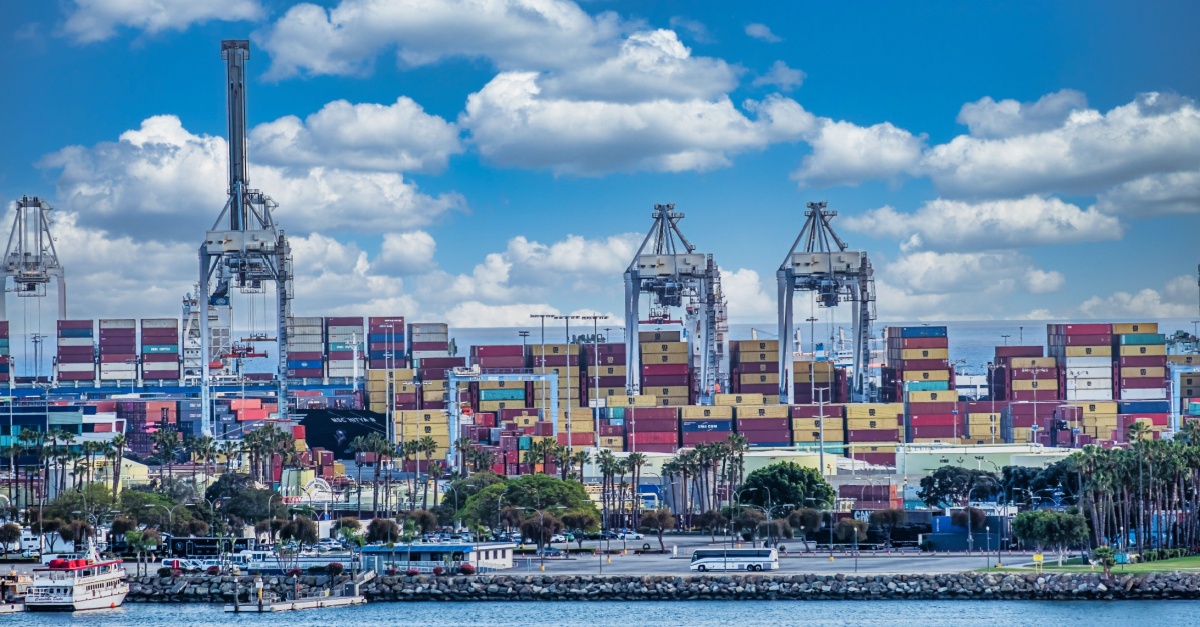
Golden State Logistics’ base near the ports of Los Angeles and Long Beach provides immediate benefits, including drivers being close, dispatch being familiar with regional quirks, and reduced turnaround times.
2999 East Pacific Commerce Drive Rancho Dominguez, California 90221
Oakland, CA


