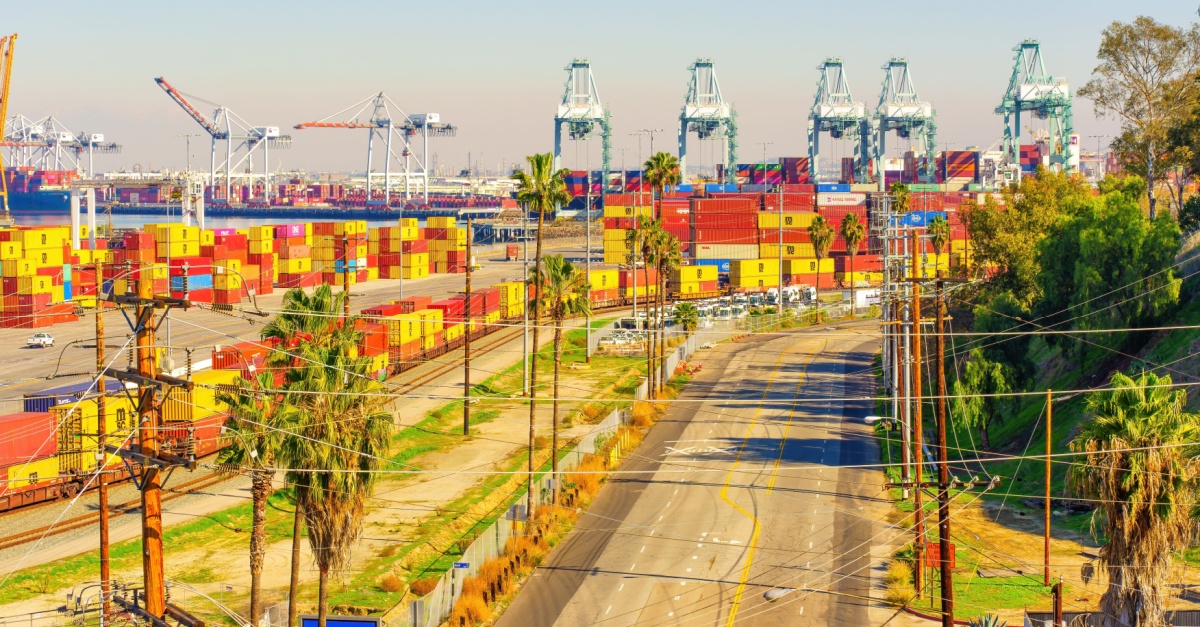
Understandably, shippers want to prioritize pricing in their transloading operations, but they often miss out on the importance of location in ensuring this. For instance, the single biggest metric shippers around Southern California have used to choose transloading sites is cost. While it may look good on paper, a few dollars saved per pallet and slightly cheaper storage rates are not the be-all and end-all of efficient freight operations.
For instance, such choices can introduce complexities, such as longer transit times, opaque monitoring, and less control. It can also slow down operations, ultimately costing shippers time and labor. Location is not a minor detail. It decides how fast, reliable, and affordable your transloading will be.
This article explores the location efficiency method for transloading operations: a simple system that Southern California shippers can use to pick the right transloading sites and avoid costly mistakes.
Transloading requires perfect timing. Freight must move smoothly from ship to truck, truck to rail, or between trailers. Every mile between transport modes matters. Every extra minute adds cost. A well-placed transloading site trims time. It reduces miles. It lowers driver hours and fuel use. A bad location does the opposite.
Key reasons location controls transloading efficiency and success:
Real-world data supports this. Shippers that use transload sites within 10 miles of the ports or rail yards report an average 25% reduction in total drayage time.
Prioritizing location in transloading operations is a no-brainer because of the following:
The idea is simple. A transloading site near the Port of Long Beach or the UP and BNSF rail hubs will save the shipper hours. Freight moves in and out with minimal travel. Drivers wait less. Carriers turn equipment faster. Every minute saved compounds across the supply chain.
Shorter hauls cut fuel spend and driver wages. More importantly, it gives the shipper more control. For example, a shipper that shifts its transloading operations from an Inland Empire site to a location two miles from the rail yard can significantly cut average drayage bills. This way, the shipper reduces transportation costs through control rather than spending time and energy trying to negotiate.
Sites near major logistics corridors align easily with carrier schedules. This way, the shipper or retailer can improve delivery accuracy and prevent missed pickups or late deliveries from taking too long in traffic.
Ports congested? Rail delayed? Weather slowing truck routes? Well-placed transloading locations provide alternate options. Sites near major routes can quickly reroute freight to different carriers or transport modes.
Choosing a transloading location is not about finding the cheapest space. It is about selecting a site that lowers transit time, reduces risk, and speeds up deliveries.
Here is how shippers should approach this decision:
Locations near the ports of Los Angeles and Long Beach, or close to major rail ramps like UP and BNSF, cut drayage time. In Southern California, where traffic congestion is common, being close to these hubs offers a major advantage.
A short distance on the map does not always mean a fast route. Study traffic flows during peak hours. A transload site 10 miles from the port, but on a highly congested corridor, may add more time than a site 15 miles away with better highway access. Use GPS data or work with carriers to identify routes with the most predictable travel times.
A good transloading site should offer easy access to drayage carriers, cross-docking services, and nearby warehousing. When these services are readily available, shippers avoid time-consuming coordination among multiple vendors. Facilities located near logistics clusters usually offer more choices and faster service.
A low-cost transload site can become expensive if it leads to long drayage routes, higher detention fees, and longer delivery timelines. Instead of focusing only on the cost, calculate the total landed cost. This includes transportation, labor, fuel, and penalty charges. Often, sites with slightly higher fees offer lower overall costs because they improve speed and reduce delays.
The goal for any business is to grow. The question is, when that happens, can the transloading site keep up? To ensure this, shippers must look for facilities with available space, extra equipment capacity, and staffing flexibility. This prevents disruptions when demand rises.
Transloading efficiency depends a great deal on location. Southern California’s congested freight market punishes poor location choices. But a smart location strategy transforms transloading into a competitive edge.
Golden State Logistics leverages a team of experts and state-of-the-art technology solutions to offer you seamless inland transportation solutions. We provide reliability through quality service and on-time deliveries, leveraging tracking and data insights for greater efficiency. This way, you have drayage logistics solutions offering port efficiency and flexibility that will deliver solutions that fit your needs. Get in touch with us today to take your transloading operations up a notch.
Transloading requires perfect timing. Freight must move smoothly from ship to truck, truck to rail, or between trailers. Every mile between transport modes matters. Every extra minute adds cost.
Everything changed on October 18, 2025, when the California Labor Commission Office issued citations to three major carriers alleging driver misclassification under the AB5 rule and other labor law violations.
2999 East Pacific Commerce Drive Rancho Dominguez, California 90221
Oakland, CA


