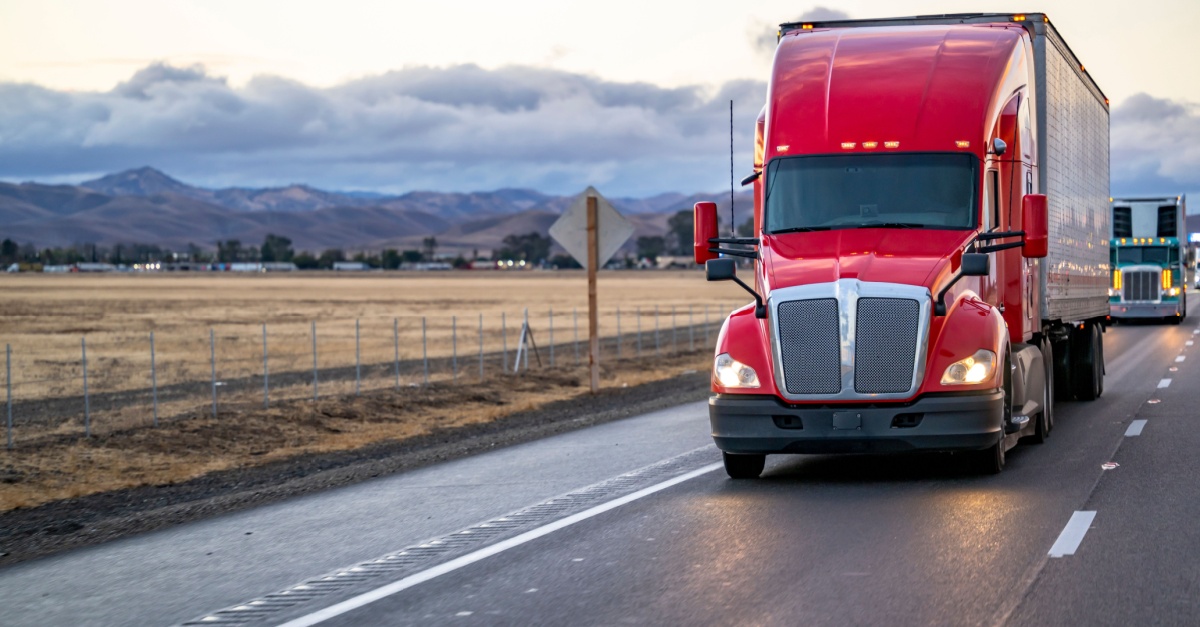
More than at any time in recent history, the freight process is being continuously threatened by logistics challenges and supply chain disruptions. Shippers that increasingly treat inland transport like an afterthought are susceptible to slow processes riddled with delays, waste, high expenses, and limited reach.
When shipments arrive in the country through the ports of Los Angeles and Long Beach, the domestic logistics process is only just beginning. The real test of any shipper’s logistics and supply chain performance happens after the container leaves the dock. Inland transport moves freight from Southern California ports to final markets across the U.S.
The movement shapes everything, including cost, speed, and customer trust. That is why the smartest shippers treat inland transportation as a core strategy.
An effective inland transport process connects ports to warehouses, distribution centers, and stores nationwide. But when the system is vulnerable or breaks, the freight can be impacted by delays. And delayed cargo costs the shipper time and money. For example, the ripple effects of a container delayed in Long Beach can be felt downstream at a warehouse in Chicago.
A missed pickup in Los Angeles can ruin store shelves in Phoenix. Delays can easily pile up between port discharge and inland delivery, which creates waste. Smart logistics optimization starts with better inland transportation planning.
By simply redesigning its port-to-destination logistics, a shipper can significantly cut delays, but when there is poor inland transport, the impact can be devastating:
Inland transportation is a crucial process in moving cargo, and its efficiency level can significantly impact the entire logistics process. This is why maximizing efficiency is so important. However, the critical question is how more shippers can achieve this, considering the instability of the supply chain process.
These tips will help:
Moving single containers from ports to dozens of stores, one after the other, is slow and expensive. Smart shippers move loads from the port to the hub, then effectively distribute them to local markets. This hub model works because it consolidates containers into truckloads, resulting in fewer trips, faster routes, and improved control.
One shipment can serve multiple stores without repeat port runs. For shippers running their logistics operations out of Southern California, this means setting up consolidation centers near major interstates. From there, freight fans out nationwide in appropriate truckloads.
Trucks move fast and are more flexible than any other mode of transportation. However, they are more expensive over long distances. On the other hand, other modes of transportation, such as rail, offer better rates and lower fuel consumption, which directly impacts the cost. By combining rail and truck, shippers can have the best of both.
For example, a furniture importer can save more money per shipment by moving containers by rail from Los Angeles to Kansas City, then trucking the last leg. This way, the shipments can reach their destinations on time and with fewer resources. The environmental impact is also significant because of fewer greenhouse gas emissions. The key to achieving this is matching schedule, service, and mode.
Ultimately, shippers that leverage intermodal transportation can reduce congestion near ports. It reduces emissions and increases long-haul capacity during driver shortages.
Too many shippers split the drayage and inland transportation processes into two work details. But that gap creates problems such as missed windows, empty trucks, and dwell fees. On the other hand, smart planning ties port pickup to inland routing. The drayage driver picks up the container and then immediately hands it off to a long-haul truck or transload crew.
No idle time. No waste. At Golden State Logistics, we are uniquely positioned to build this link into every freight process initiated from Southern California ports. The schedule has been designed to constantly flow from Long Beach inland logistics to Chicago freight drops.
Many shippers operate their inland transportation process based on guesses rather than actual demand. The problem with that is that it creates stockpiles or empty shelves. A better system uses sales data, store signals, and restock alerts to drive inland shipments. The idea here is to move what is needed and hold what is not.
This rhythm makes the process more efficient and also cuts waste. It also helps with overall inventory planning and reordering. Take, for example, a clothing retailer. The retailer can significantly improve its delivery precision by leveraging this method, using store sales data to release freight from West Coast ports to different stores nationwide only when needed. This way, there is less excess and more speed.
Modern freight and logistics processes cannot function without visibility, which is why the tech stack a shipper has access to can make or break the inland transportation process. With the right system, shippers can track containers, monitor routes, and update teams in real time.
For example, shippers using a transportation management system (TMS) report improvement in delivery speed by optimizing routing, load planning, and providing real-time shipment visibility. A TMS ties ports, trucks, rail, and warehouses together, giving shippers real-time analysis of the current inland logistics process.
Shippers can use this information to see delays and take the necessary actions before they cause damage.
Key advantages of tech solutions in the inland transport process:
The best shippers repeat what works in their inland freight process. To do that successfully, it is essential to build playbooks.
Plan the freight movement for key markets such as Denver, Dallas, and Atlanta. Match and coordinate drayage, transloading, and long-haul for each route. Document best times, best carriers, and ideal modes. Repeat that plan for each new market.
Contracted carriers give stability. Flexible partners add surge power. But a blended model keeps freight moving during seasonal spikes. For example, a beverage shipper with freight headed to Phoenix can cut late loads by simply adding spot truck capacity near the destination during the summer rush.
Peak seasons can crush weak inland transportation plans. But strong plans scale. It is vital to have transloading partners ready, reserve trailers and chassis early, and work with providers that forecast demand.
Golden State Logistics builds surge support into our Southern California logistics solutions. That keeps freight flowing from the port through every spike.
Golden State Logistics connects port pickup to the final mile through integrated inland transport solutions. We combine drayage and inland shipping into a single system and operate transloading facilities near Long Beach and Los Angeles, which enables us to ensure fast turnarounds with ease.
What we offer:
Shippers from fashion to food trust GSL to kick-start the inland transportation process and get their freight moving without waste. Shippers that invest in inland transport win on speed, control, and cost. That’s where supply chains grow stronger. Not at the port. Not in the warehouse. In the miles between.
To move smarter, start with better inland planning. Talk to Golden State Logistics. Build a freight plan today that reaches farther and runs faster.
In this article, we explain how strategic transloading works in practice and how it can move your inventory more quickly while lowering storage costs.

Transloading is currently making a massive comeback, but has always been part of the logistics process. It can be traced back to ancient civilization and the opening of trade routes.
2999 East Pacific Commerce Drive Rancho Dominguez, California 90221
Oakland, CA


