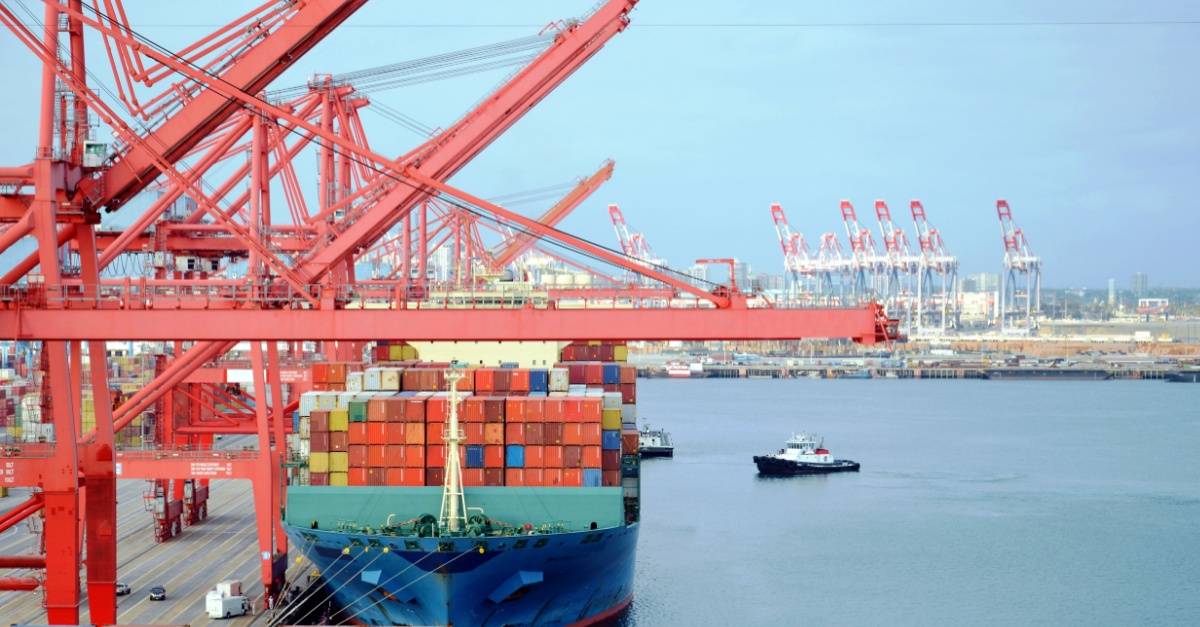
Bottlenecks often begin with scattered files and late updates, rather than cranes or chassis. And shippers operating out of Southern California can avoid these bottlenecks when they treat data management in logistics as an everyday operational tool rather than a side project. This article explains how shippers in Southern California can leverage cloud-based data management to streamline logistics, enhance visibility, and expedite cargo movement from port to warehouse.
Picture Long Beach and Los Angeles on a busy morning: vessel cutoffs, yard moves, gate queues, and mounting driver hours. When those details live in silos, shippers lose valuable time in their freight process, and that lost time can quickly translate to expensive fees.
McKinsey reported that nearly 80% of supply chain executives said they needed to improve and invest in digital planning to enhance supply chain visibility. Here’s how the shift toward the cloud transforms logistics data ecosystems and solves the visibility problem:
With cloud systems, a shipper can consolidate information from port terminals, trucks, warehouses, and transloading hubs into a single platform. That means they can monitor a container’s cycle from arrival at the port or drayage handoff to inland delivery — all with real-time tracking or near-live updates.
Tech solutions, such as Internet of Things platforms and analytics, provide end-to-end visibility of the supply chain. In practical terms, if a drayage truck is delayed at the yard, your inland transport dispatcher is alerted and can reroute a different truck before the delay cascades.
Cloud systems enable digital logistics management, which allows workflows to shift from manual spreadsheets and isolated platforms to integrated dashboards. The benefits include fewer data-entry errors, greater coordination among drayage, transloading, and inland teams, and a more effective use of resources.
For example, labor and equipment at a transloading facility can be scheduled based on the live inbound container volume rather than yesterday’s estimate. In the current freight market, in which port yards, truck queues, and inland rail hubs intersect, this kind of responsiveness reduces wait times and increases throughput.
Peak periods, container surges, and evolving trade lanes all impose variability. Cloud platforms offer elastic capacity, which allows you to scale up when demand spikes and then scale down during quieter periods. They also integrate with transloading software systems, trucking dispatch platforms, and warehouse management systems. This scalability and flexibility are key drivers of cloud adoption in logistics.
That means shippers or even service providers do not have to make a significant investment in IT hardware or maintain separate systems for every leg of the transport chain.
Leveraging cloud systems to enhance data management in logistics is particularly advantageous for shippers operating in the drayage, transloading, and inland logistics sectors in the Los Angeles and Long Beach areas. Here is how that plays out:
Cloud-based systems and effective data management provide real-time access to information, enabling you to view which containers are ready for drayage, identify available trucks, and determine if the transloading facility has sufficient space.
With a unified view, the shipper can coordinate effectively with the drayage operator, transload provider, and inland carrier, all of which operate from the same dataset, which reduces coordination lag and miscommunication.
Data integration helps shippers avoid idle and long wait times for trucks at port gates or transloading hubs, which results in improved turn times and, in some cases, significant cost savings.
For emissions tracking, yard dwell times, and California Air Resources Board (CARB) reporting, cloud systems can support data gathering and dashboards that keep you audit ready. When logistics volumes such as holiday imports or seasonal shipments spike, the cloud platform supports growth without delayed IT rollouts or system crashes.
Leveraging cloud-based solutions for managing data in your logistics process ensures visibility, control, and the confidence to move freight in and out of SoCal with precision. And Golden State Logistics is the right company to partner with to ensure all of these. We offer expertise, resources, and access to technology solutions, including cloud systems that streamline data management in logistics operations.
We have more than 25 years of experience moving freight in Southern California, including the LA and Long Beach ports, thanks to a fleet of over 500 private chassis. Our commitment to sustainability and technology ensures your supply chain is always one step ahead. Get in touch with us today.
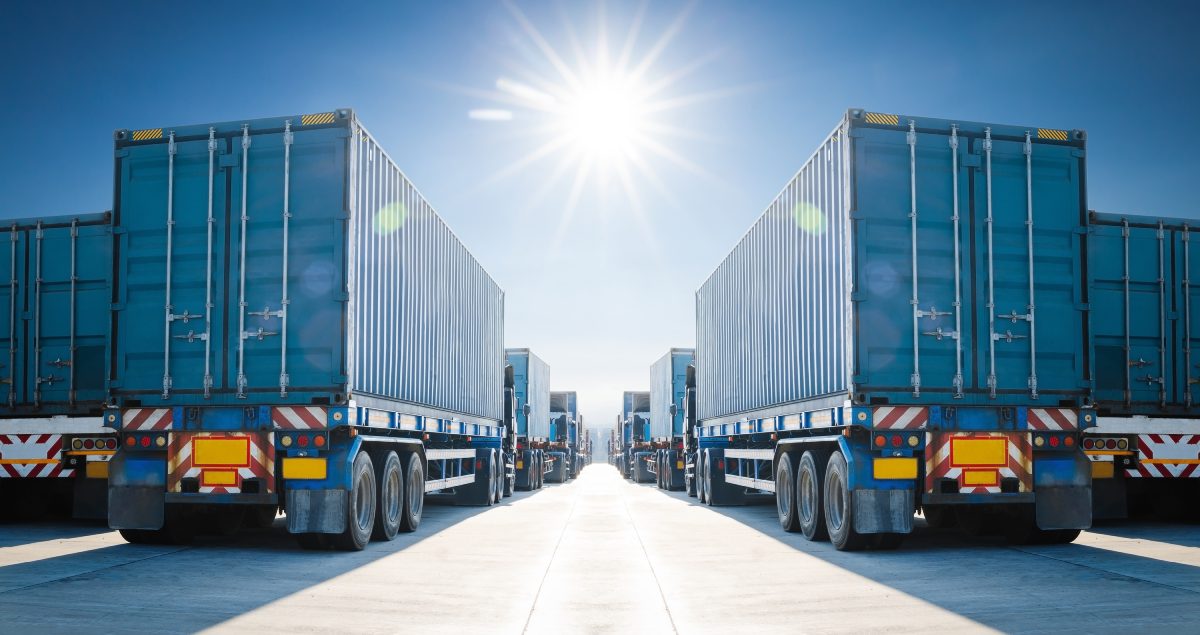
Everything changed on October 18, 2025, when the California Labor Commission Office issued citations to three major carriers alleging driver misclassification under the AB5 rule and other labor law violations.
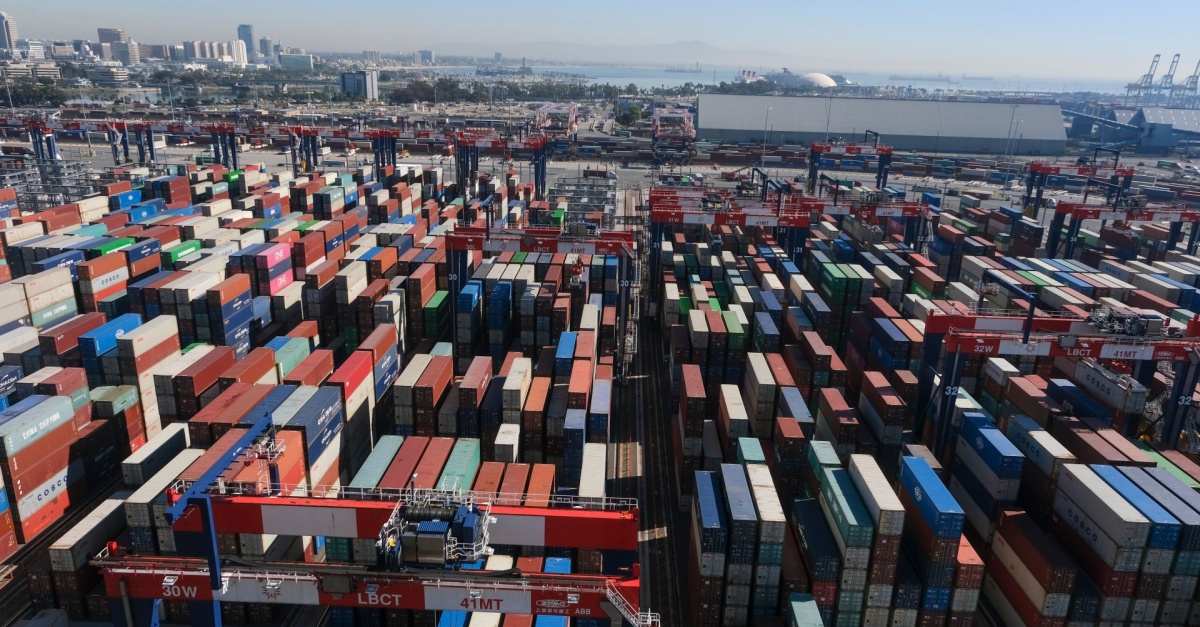
Transloading can be treated as an afterthought and a reactive step, resulting in a waste of time and resources, especially in high-container traffic zones like the ports of Los Angeles and Long Beach.
2999 East Pacific Commerce Drive Rancho Dominguez, California 90221
Oakland, CA


