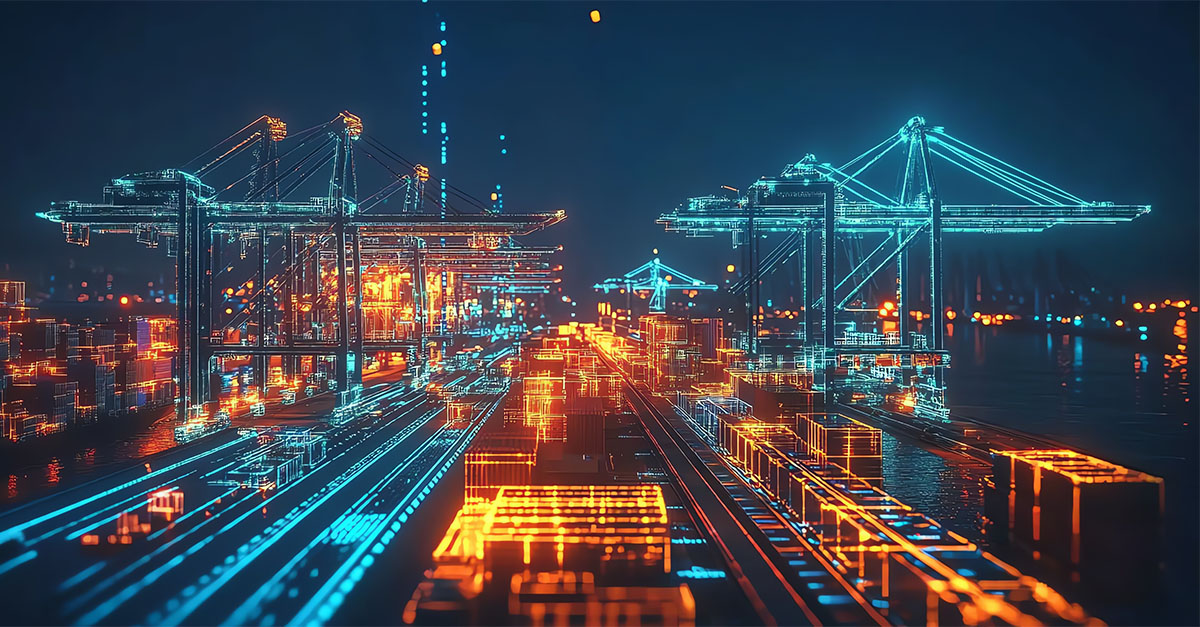
Drayage at the Ports of Los Angeles and Long Beach can be a complex process. It typically entails scheduling at 13 terminals, tracking chassis availability in real time, managing driver hours, and avoiding demurrage and detention charges that can add up when any one of those pieces falls out of sync. For decades, a lot of this coordination was done on phones, whiteboards, and spreadsheets. However, that is all changing. The technology entering drayage operations today may not be glamorous, but it is helping to fill gaps that have cost shippers time and money for years.
More than 97% of U.S. carriers have fleets of less than 20 trucks. A lot of drayage operators are owner-operators or small companies with five to 10 trucks. Margins are thin, the moves are short, and the math of investing in software hasn’t always worked out when a good dispatcher with a phone and a terminal contact list could do the job.
And then there’s the workforce factor. Drivers who have been working the ports for 15 or 20 years have developed their own systems. They know which terminals are smoother on Tuesdays, which chassis pools are reliable, and which gates to avoid during shift changes. Selling a software platform that replaces that institutional knowledge is easier said than done.
Unfortunately, institutional knowledge alone can’t keep pace as terminal systems grow more complex and appointment windows tighten. And carriers that have begun adopting technology are pulling ahead in ways that are hard to ignore.
For years, the dispatch office has been the nerve center of any drayage operation. But it has also been its biggest bottleneck. A dispatcher is manually matching drivers to pickups using experience and gut feel, juggling terminal appointment times, driver location, hours-of-service (HOS) status, chassis availability, and traffic conditions all at once, often for dozens of trucks. It works. Until it doesn’t. And then you have challenges like missed appointments, an idle driver, or a deadhead trip that uses fuel and makes no money. ATRI industry data shows that 15%-20% of all truck miles are still running empty, costing carriers about $2.26 per mile in operating costs.
AI-powered dispatch systems are starting to change the math. These platforms consider factors such as driver GPS location, current terminal wait times, HOS data from ELDs, and even traffic predictions to match the right driver with the right pickup. The idea is that the technology handles the optimization maths, while the dispatcher makes the judgment calls, handles weather delays, and accommodates customers who change a delivery window at the last minute.
GPS geofencing is among the more pragmatic technologies changing drayage. Carriers establish virtual boundaries around terminals, yards, warehouses, and customer facilities. This way, when a truck crosses one of those boundaries, it will automatically send a status update. Examples of these updates could be “container picked up,” “arrived at warehouse,” “empty returned,” and “no phone call needed.”
GPS geofencing replaces the manual process of check calls, with dispatchers calling drivers at intervals to ask where they were and what was going on. That process was slow and unreliable, creating visibility gaps that made it difficult for shippers to know exactly where their cargo was at any given moment.
Geofencing data also feeds into appointment compliance tracking, which is more operationally useful. When a drayage carrier can provide timestamped geofence records that prove a truck arrived at a terminal within its appointment window, it creates a factual record that is important when disputes arise over demurrage and detention charges.
Terminal appointment systems at Long Beach and LA are steadily evolving. The move from first come, first served to appointment-based access was a game-changer for drayage carriers. But not everyone adjusted at the same pace. Today, every big terminal in the San Pedro Bay complex requires appointments for import pickups, export deliveries, and empty returns. The slots are typically available in hourlong blocks, with a 30-minute grace window on either side.
The difference in performance between terminals is real. LBCT is the most automated terminal on the West Coast, with average truck turn times of 45 to 60 minutes and gate processing under two minutes, using optical character recognition technology. Older terminals like ITS and PCT can push turn times to over 90 minutes during peak periods.
The operational challenge for drayage carriers is to balance appointments at multiple terminals simultaneously. Take a driver who finishes a pickup at one terminal and has a return appointment at another. If the first stop runs long, the second appointment is blown. Automated scheduling software now interfaces with terminal systems to identify open windows, reschedule when port delays happen, and manage dual transactions, in which a driver combines a pickup and a return during a single terminal stop, to minimize wasted trips.
In 2017, the FMCSA mandated the use of electronic logging devices (ELDs), and virtually all commercial motor vehicle drivers are compliant. But the real value of ELD data in drayage goes well beyond regulatory compliance. With ELD data fed directly into dispatch systems, dispatchers know exactly how much drive time a driver has left before accepting an additional load. This avoids the costly situation of a driver picking up a container but not being able to complete the delivery because their hours run out mid-route.
This is especially hard in drayage because of the short-haul exemption. Most drayage operations in the LA/Long Beach area are within 150 air miles of the reporting location, so the drivers are eligible for a time card exception instead of full electronic logs. This results in a patchwork quilt of HOS rules within a single fleet, with some drivers on full ELD tracking while others use time cards, depending on the day’s route. Without a system that tracks both, dispatchers are left guessing, which can mean either a compliance violation or a container doesn’t get delivered.
ELD status and short-haul eligibility are now being integrated into the same load assignment workflow as modern dispatch platforms begin to bring these data streams together. The results so far are fewer missed deliveries and fewer HOS violations, both of which cost real money.
Today, the most forward-looking technology in drayage is probably the least visible. Predictive analytics tools forecast congestion before it occurs by using historical data on vessel arrivals, terminal discharge rates, and traffic patterns. Instead of a dispatcher responding to a two-hour terminal wait after a driver is already in line, the system flags likely bottleneck hours in advance and suggests rerouting or rescheduling.
Through its Port Optimizer platform, developed in partnership with Wabtec, the Port of Los Angeles has invested in providing drayage carriers and shippers with a single view of vessel ETAs, container availability, terminal hold status, and appointment activity across the complex. It’s the kind of information that would have required three phone calls to three different terminals and two different websites to verify.
There are limitations, though, which are natural. Predictive tools are only as good as the data they’re fed, and not all terminals provide information with the same level of detail or promptness. Carrier vessel ETAs are so unreliable that a forecast three days in advance can be meaningless when the ship actually berths. But even imperfect predictions are better than none, and carriers that use them are making smarter dispatch decisions than those that are flying blind.
Golden State Logistics is committed to technology in its LA/Long Beach drayage operation because it enables seamless coordination of port pickups and inland deliveries. Dispatch systems ingest terminal appointment availability, driver location, and HOS data to assign pickups based on real-time conditions rather than a static plan made the night before.
GPS tracking and geofencing provide status updates at every stage of the drayage move from terminal gate-out to warehouse arrival to empty return, eliminating the need for manual check calls. As GSL has an integrated drayage-to-inland model, data from the port leg simply flows into the inland move planning. A terminal delay that puts a pickup two hours behind schedule automatically adjusts the inland delivery schedule without the need for second phone calls to reschedule.
Drayage technology is not intended to replace the driver or the dispatcher. It actually provides both of them with better, faster information. This way, the decisions they make on the ground are based on what’s actually happening. Contact us today to get started.
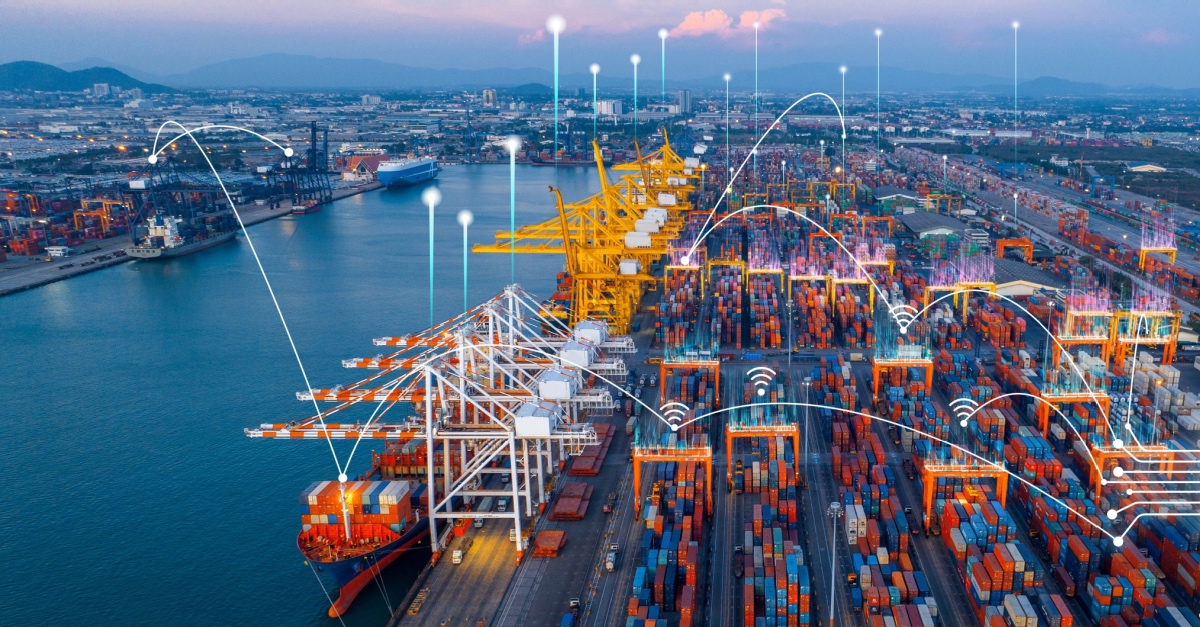
Poor control over the port drayage operations can lead to delays, disruptions, and downtimes in the supply chain. The financial implications alone can be devastating for any business. That is why technology has become so integral to port drayage logistics.
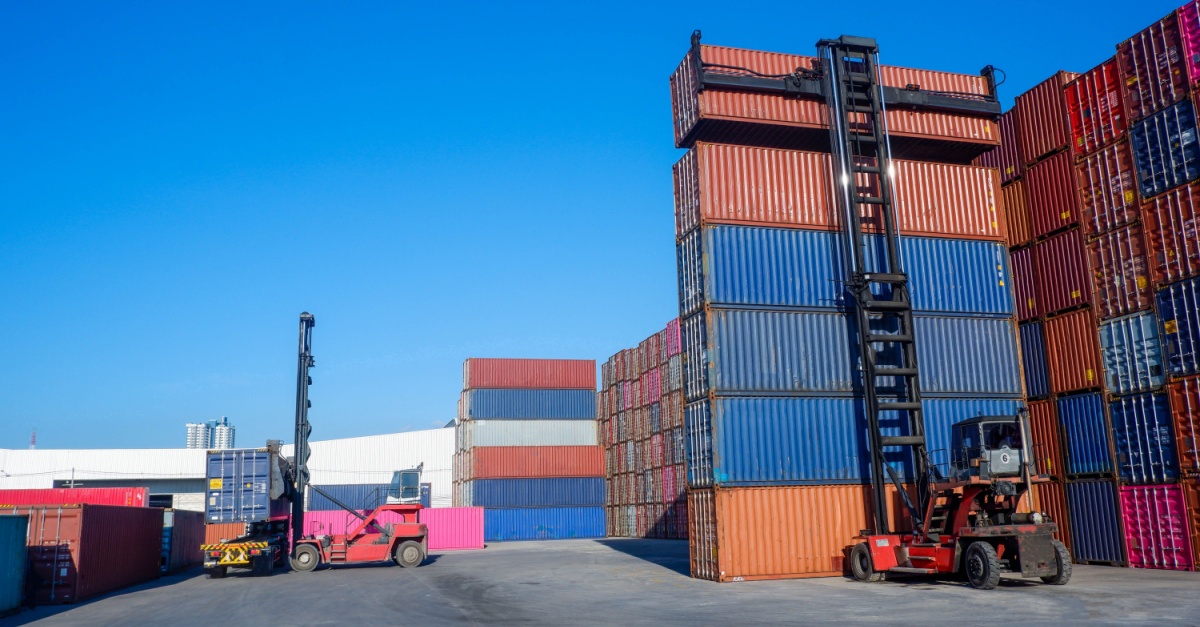
At Golden State Logistics, we know the challenges shippers face in Los Angeles and Long Beach. Our expert teams and resources allow you to design services matching your cargo needs.
2999 East Pacific Commerce Drive Rancho Dominguez, California 90221
Oakland, CA


