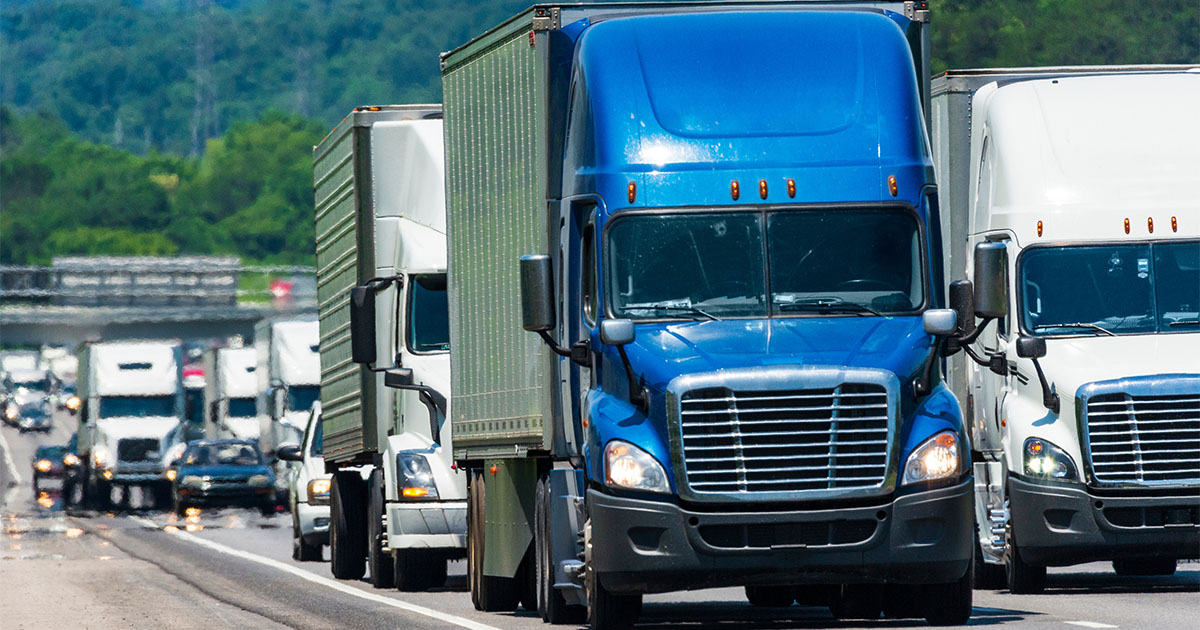
Most shippers don’t think about the risks of inland transport until something goes wrong. And that is usually because they rarely trigger a full-blown disaster. However, whether it is your driver stuck on I-40 due to bad weather or a container missing its transloading appointment, the consequences can be devastating.
The shippers that move freight seamlessly, especially during peak seasons, are those that plan for the exposures before a load is even booked.
These risks aren’t usually glaringly apparent. But they can hurt shippers more than most realize. Here are some of them:
A driver who leaves the port at 5 a.m. on a Tuesday has a completely different experience from one who leaves at 3 p.m. on a Thursday. The I-710, I-10, I-15, and 60 all have their own clocks. And there is a high cost to bad timing along those routes. For instance, it could include missed appointments with receivers, HOS violations, and time spent in stopped traffic rather than driving miles. Good inland transport companies plan their schedules around those patterns, not around what they want to happen.
Bad weather, whether it is fog in the central valley or a snowstorm in the Wasatch, can delay a long-haul trucking move by 12 hours before the driver even knows it. And such delays don’t usually end with the weather. If one arrival is late, the delivery window on the other end is delayed as well, which means the tractor that was supposed to be on another load by evening is now stuck.
Between 2014 and 2018, ATRI data shows a 27.4% increase in driver-reported delays of six hours or more at shipping and receiving facilities. The trend has not changed. Most receivers now have strict appointment systems. If you miss the delivery window by 30 minutes, you might be asked to come back tomorrow. And that can be really expensive.
Say a driver pulls up to the destination yard and is asked to leave because of capacity constraints. But now, the load is sitting somewhere it shouldn’t be, while yard capacity issues turn into per diem issues before the schedule issue is even clear. A single full yard can cost a shipper more than the load’s margin.
There is a choke point in every area, and they show up on a calendar. For example, during the third and fourth quarters of the year, the Ontario and Inland Empire warehouse cluster gets busy with retail stocking. Also, during the holiday season, the Dallas distribution belt slows down. Shippers that only notice these regional bottlenecks in the middle of a crisis are already a week late.
Naming the risk is the easy part. But managing them takes discipline in two key aspects.
Predictive route planning is a process. Before a load rolls, dispatch checks the seven-day weather forecast along the route, ensures the receiver has enough space, reviews past traffic on the lane by the hour, and schedules based on realistic transit times rather than best-case ones. If only someone takes the time to look, most problems with inland transportation can be seen 24 to 72 hours in advance.
There is no need to learn about the problem when the driver is already at Parleys Summit.
Even the best-laid plans can fail. But when that happens in the middle of the inland transport, your routing speed can mean the difference between a two-hour delay and a two-day delay. For fast routing to work, you need three things in place:
These risks can be nothing more than predictable exposures if you have the right partner. And that is where Golden State Logistics comes into play. We operate in Southern California, with transloading facilities near the San Pedro Bay port complex. We have seen it all, and we have the experience to make your inland transport seamless. Contact us today to see how we can help.

Partnering with a California-based trucking company such as Golden State Logistics can help shippers leverage their California operations while also expanding effectively beyond state borders.
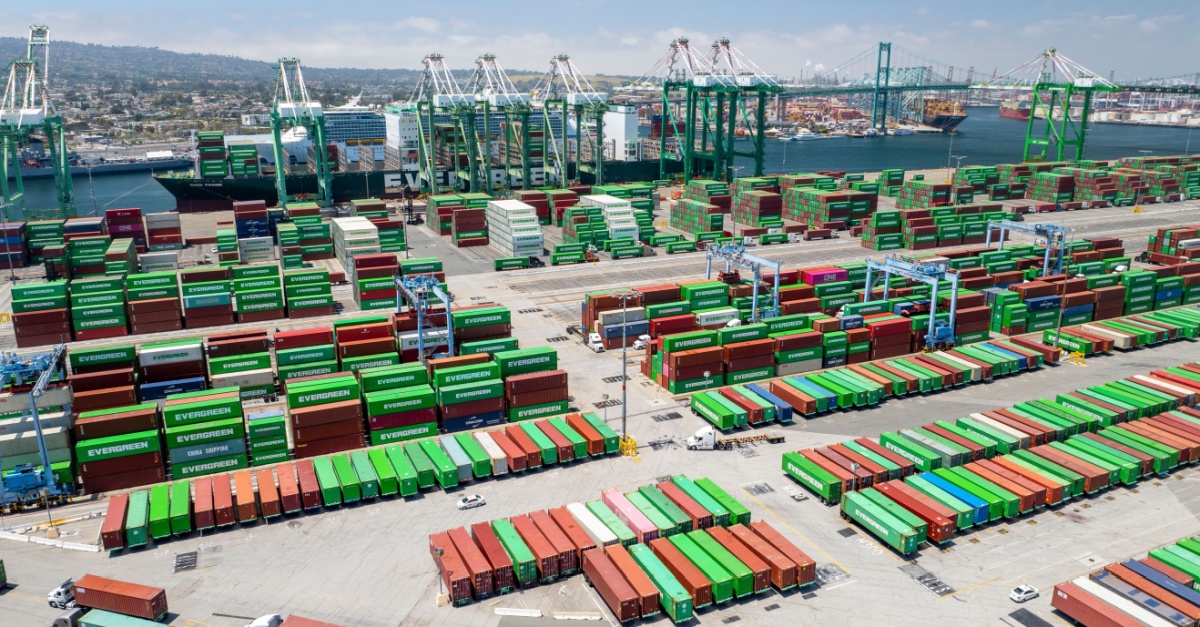
The cost of delays at ports is not just about time. Delays create additional costs and ripple effects that can find their way down the entire supply chain operation.
2999 East Pacific Commerce Drive Rancho Dominguez, California 90221
Oakland, CA


