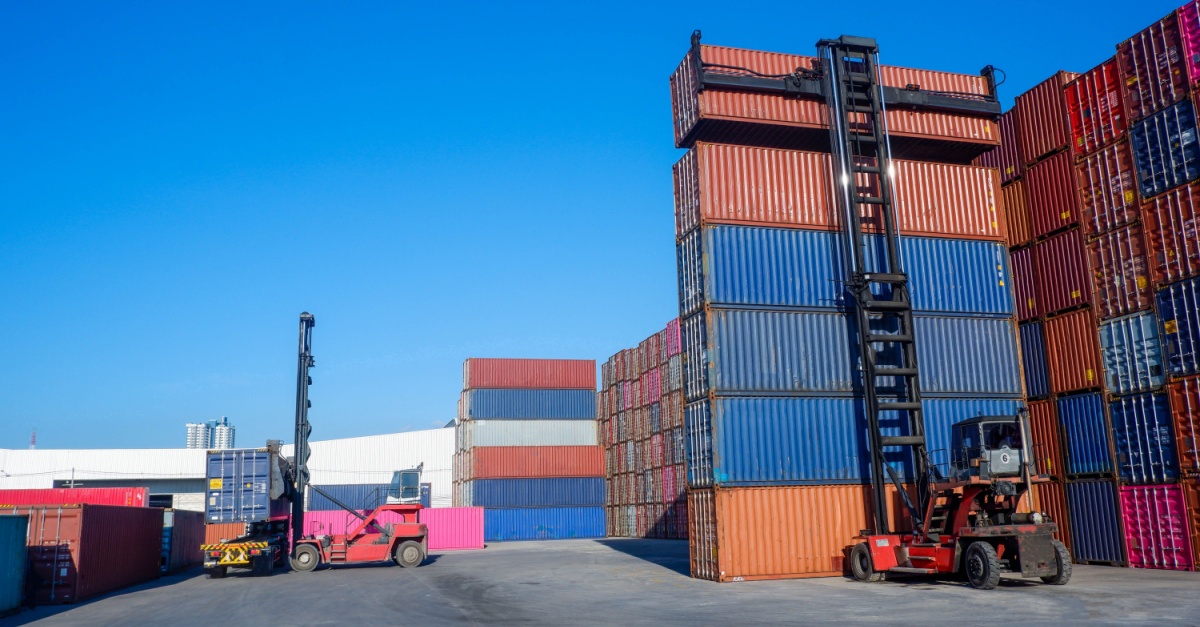
Most shippers believe standard transloading solutions are “good enough.” However, in more cases than not, these solutions waste money, slow the cargo movement, and in extreme cases, limit business growth. Standard solutions miss critical details unique to each shipment, causing costly delays and damage. With customized transloading solutions, shippers running multimodal freight operations have a smarter approach to handling complexity, reducing touchpoints, and accelerating time to market.
It is a method built around their specific cargo and needs. This tailored approach eliminates waste, maximizes efficiency, and directly boosts supply chain performance, from ports like Long Beach and Los Angeles to your customers.
Customized transloading solutions are special plans designed around your unique cargo. Traditional transloading services move cargo from ocean containers to trucks or trains. Custom solutions take it one step further. They handle cargo based on type, final destination, or delivery schedule. This way, the entire transloading operation becomes quicker, safer, and smarter.
Many companies choose basic services, hoping to save money. Standard solutions overlook important details. For example, refrigerated cargo needs temperature-controlled storage. Chemicals need careful handling to stay safe. By customizing the transloading operations, shippers and their partners can make allowance for these details every time, saving money and preventing mistakes.
Choosing tailored logistics services changes the way your business operates. Benefits include:
When a shipper shifts to customized services, improvement shows immediately. For example, if a clothing retailer needs urgent holiday shipments, the retailer can leverage custom transloading in Long Beach to handle sorting, labeling, and quick loading onto trucks. That way, the retailer gets products faster, pleasing customers and boosting sales.
Shippers have several options when customizing their services:
Consider a company shipping medicines that need cool temperatures; custom solutions include temperature checks and specially refrigerated trucks. This attention to detail is what prevents losses.
Different cargo requires different care. Customized solutions give shippers control and the ability to manage each cargo type to maximize output uniquely.
Customized solutions provide special storage and handling services:
A furniture company may store couches temporarily at the warehouse, waiting for local stores to make room. This way, workers can quickly sort and ship sofas exactly when needed.
Inland transportation connects ports to warehouses, stores, and factories. A customized transloading solution can closely link the transloading process with inland transportation, creating smooth cargo movement. Trucks or rail services get scheduled exactly when needed, ensuring quick delivery and reduced waiting.
Take a grocery chain that needs daily fresh fruit shipments, for example. By leveraging custom solutions, the shipper can ensure trucks are already in place as fruit leaves containers. This way, the product (fruit) moves fast, keeping it fresh.
Tracking gives shippers real-time information, allowing them to see where their cargo is every moment. Detailed reports and instant alerts provide total visibility. Shippers can access this through customized transloading, including real-time tracking tailored to the shipper’s business needs.
For instance, an electronics supplier can monitor sensitive devices closely, from when containers open until devices reach stores. This immediate tracking ability helps fix problems instantly, avoiding costly delays.
Switching to customized transloading solutions takes precise planning. First, shippers must be able to identify specific needs:
Choosing an experienced logistics provider makes a difference. At Golden State Logistics, we know the challenges shippers face in Los Angeles and Long Beach. Our expert teams and resources allow you to design services matching your cargo needs. With us, you have the highest efficiency level in your transloading process. Get in touch with us to ensure a better transloading process.
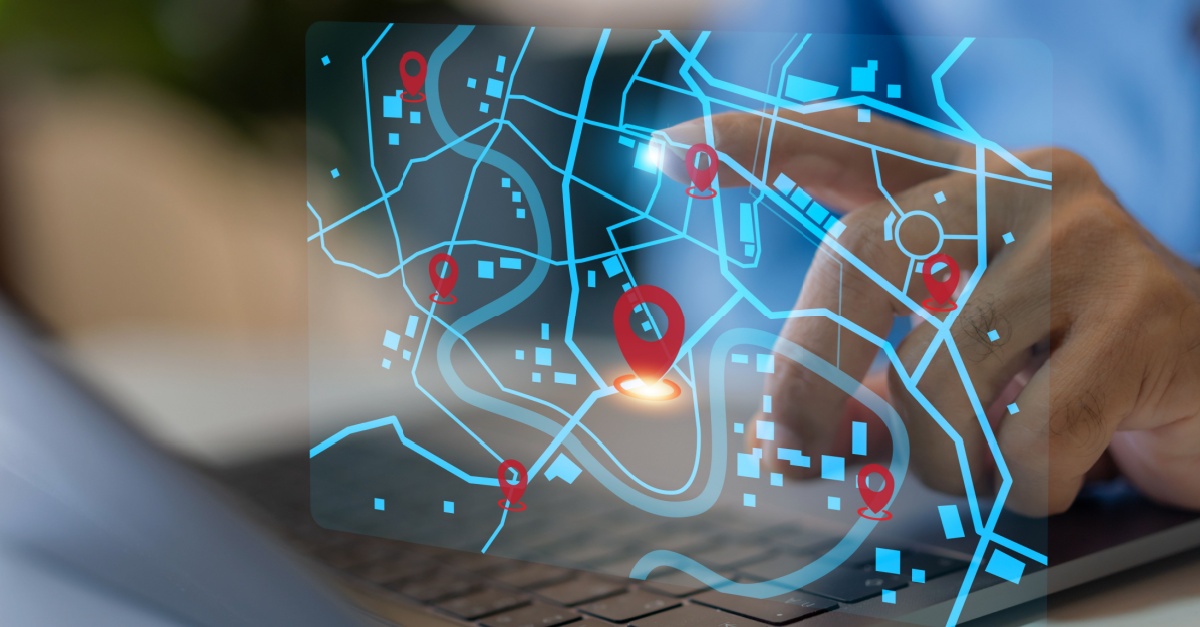
Every stop and delay in the inland transportation process has a cost. And when something goes wrong, most teams don’t know until it’s too late. Real-time tracking fixes this.
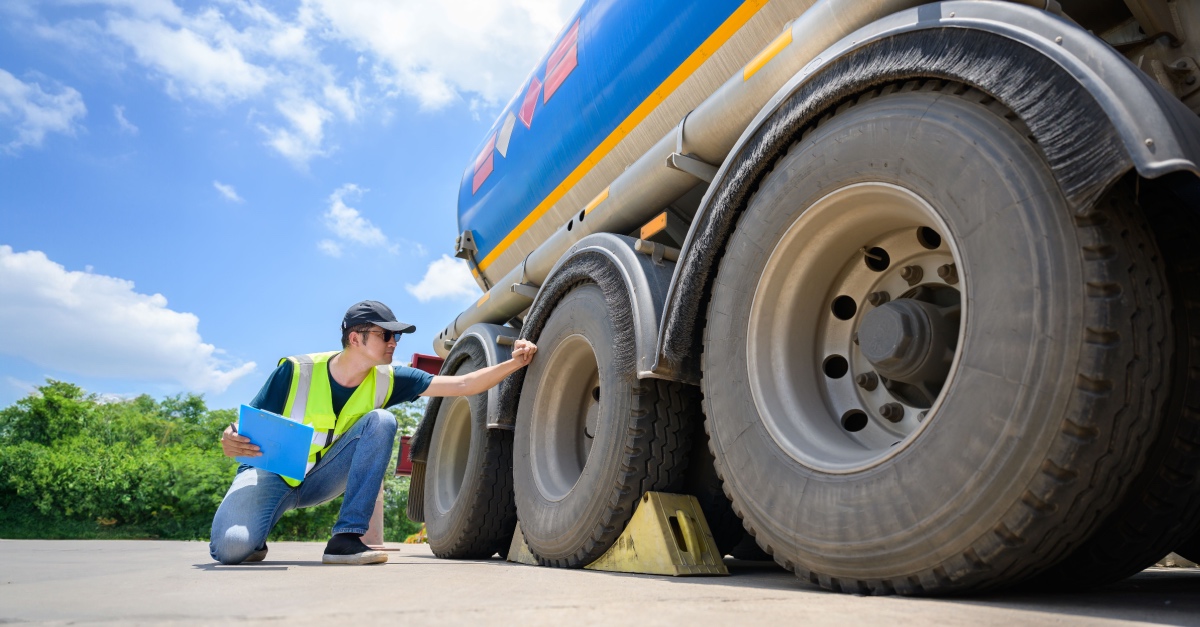
Moving goods across borders is just the first step in the logistics journey. What comes next is just as critical — ensuring those goods reach their final destinations within the country. This is where inland transportation becomes indispensable.
2999 East Pacific Commerce Drive Rancho Dominguez, California 90221
Oakland, CA


