
Transloading can open doors to better shipping efficiency and faster delivery times. But many shippers and operators worry that prioritizing sustainability in transloading will increase costs. If done well, going green in transloading operations is a clear path to better results.
What’s often overlooked is that the shift to greener transloading doesn’t have to happen all at once. Operators that start with small, strategic changes — like route optimization or switching to low-emission equipment — tend to see early wins that build momentum. These incremental steps ease the transition and help teams build confidence and refine best practices along the way.
Numbers don’t lie: Shippers that track their energy use carefully can drop utility bills by double digits, and those that adopt electric yard trucks report quieter, safer, and more efficient cargo handling. This article aims to show how embracing greener operations can offer clear returns in both efficiency and brand image.
Many shippers wrongly assume that eco-friendly changes in transloading require significant spending or will slow down shipment velocity. Again, that doesn’t have to be true. Here are some real benefits of sustainability in transloading:
Sustainability programs often focus on reducing wasted energy while ensuring seamless cargo transfer. That could be anything from upgrading lighting at the yards, modernizing loading equipment, or reorganizing how items move through a facility. If lights are replaced with LED models, electricity bills can drop right away. Lower energy use also reduces stress on equipment, leading to fewer breakdowns.
A well-organized layout can cut the time needed to transfer goods from one carrier to another. This improves worker efficiency, shortens truck queues, and minimizes delivery delays. For example, a busy transloading hub in Southern California can potentially see a drop in transfer times if it rethinks its yard layout. By pushing small tweaks, like rearranging cargo zones and shortening forklift routes, yard operations can free up time to handle more goods in a single day.
Running a greener transloading operation can save money in the long run. Energy-efficient equipment needs less electricity or fuel. Better packaging can lower material expenses, and reusing or recycling material can reduce disposal costs. Another tip is to maintain vehicles properly, which curbs the chance of fuel leaks and engine trouble. Fuel-efficient trucks or electric yard tractors can give a sizable boost in daily savings because they minimize diesel consumption. Even small changes in daily tasks can add up, leaving a facility with more funds to invest in other areas.
Many customers prefer suppliers that act responsibly toward the planet. Adopting green or environmental sustainability steps can impress not only private partners but also government agencies that set emissions targets. Public statements about lower carbon emissions and a drop in waste can attract new clients that value those improvements.
A large retailer saw a rise in contract requests after sharing data about its eco-friendly shipping practices. Surveys suggest that brand loyalty grows when businesses prove they care about environmental goals. For a transloading operator, building this trust can lead to repeat business and improved standing in the logistics community.
Sustainability and all-around greener operations across the supply chain might be the future, but many shippers still have misconceptions about it. Some of these include:
Some shippers and operators fear a greener system comes with a hefty price tag. They might expect expensive technology or a total overhaul of existing facilities. While certain improvements require upfront spending, others can be done with minimal cash. Simple steps like switching light bulbs or enforcing a strict schedule for truck maintenance don’t break the bank. Operating costs might actually go down after these moves.
Leaders sometimes assume that eco-friendly programs complicate daily tasks. They picture massive changes that stall normal operations. Yet most facilities can start small. Using route planning tools makes tracking emissions or energy simpler, so managers don’t have to guess. Labeling containers properly is easy and helps workers follow new rules. Over time, these steps become part of daily routines, reducing confusion. A streamlined approach to sustainability eases concerns about “too many moving parts.”
Another fear is that adopting green methods will slow down the transloading process. This might happen if new procedures aren’t planned well. Good planning, on the other hand, can preserve speed or even improve it. A local distribution center decided to stagger truck arrivals based on real-time data. That cut crowding at the docks by 25% and lowered idle time for drivers. Clear communication among dispatchers, carriers, and warehouse teams was the real reason for success.
The misconceptions about sustainability in transloading are unfounded. However, to enjoy all the benefits listed earlier, it is essential to get it right. The following strategies will help:
Installing energy-efficient infrastructure and tools is often the first step. LED lighting in warehouses can drop electricity costs by 50% or more. High-efficiency conveyor belts and forklifts reduce power draw and help keep the air cleaner. Some transloading centers run on solar panels, especially in sunny regions. Electric yard trucks are another option, cutting reliance on diesel and lowering carbon footprints.
Cardboard, plastic wrap, and other packaging materials can pile up quickly in a busy transloading environment. Sorting these items and then recycling them keeps them out of landfills. Baling machines can compress bulky scraps, making them easier to ship to recycling plants. Training workers to separate waste speeds up the sorting process. It also avoids contamination that could ruin large batches of recyclable material. Every small step adds to a cleaner facility and a healthier planet.
Once items leave the transloading facility, the trucks and trains that carry them still impact overall emissions. Leveraging route planning means each vehicle travels fewer miles, cutting fuel use and saving money. Route optimization solutions evaluate traffic patterns, road construction, and weather to find a better path. Reducing empty miles also contributes to less carbon in the air. Exploring cleaner fuel alternatives can make a lot of difference.
Technology has made sustainability in transloading so much more achievable and easier. However, shippers have to leverage the tech solutions right. The following will help:
Keeping track of emissions and power use can be tricky without good data. Telematics and IoT sensors collect information about temperature, humidity, or engine performance, letting managers act quickly if readings drift off target. This helps plan charging schedules and extends the life of each battery. Tracking real-time data allows better adjustments, like reducing unnecessary idling or setting time limits on motorized equipment.
Meeting regulatory standards is easier when automated tools are in place. If a transloading center must follow certain pollution limits, digital alerts let staff know when equipment is approaching those boundaries. That might happen if a generator produces too many emissions at once. Quick action can avoid penalties. Access to a clear dashboard also helps managers show regulators that they are following the rules. Maintaining records electronically is a safer method than piles of paper documents.
Many warehouses and distribution centers now rely on technology to track their progress toward lower energy use and emissions. Some facilities have started using GPS trackers on their trucks to collect data on travel times, idle hours, and routes. With this information, managers can identify inefficiencies — like excessive idling — and adjust policies accordingly. These changes often lead to lower fuel consumption and more accurate scheduling. Once implemented, staff usually find the new systems intuitive, especially when supported by clear communication and mobile alerts.
Any transloading operation can benefit from green initiatives. Step-by-step adjustments — ranging from LED lighting to careful route planning — make a difference. Costs often fall over time, and brand strength rises when customers see real change. Careful monitoring and reporting confirm that new procedures work and motivate employees to keep striving.
However, the journey toward more sustainable processes invites new levels of creativity and collaboration, which means there is a heightened need to leverage transloading experts that also care about sustainability.
Golden State Logistics emphasizes these efforts by providing advanced tracking systems, thorough compliance checks, and a culture that respects the environment. When shippers, workers, and partners cooperate, transloading becomes cleaner and more resourceful without big trade-offs. By partnering with GSL and choosing these practices, everyone gains: lower expenses, happier customers, and a brighter future for transport and trade.

Companies involved in international trade quickly discover the value that transloading offers because the process streamlines the movement of goods across diverse transportation modes.
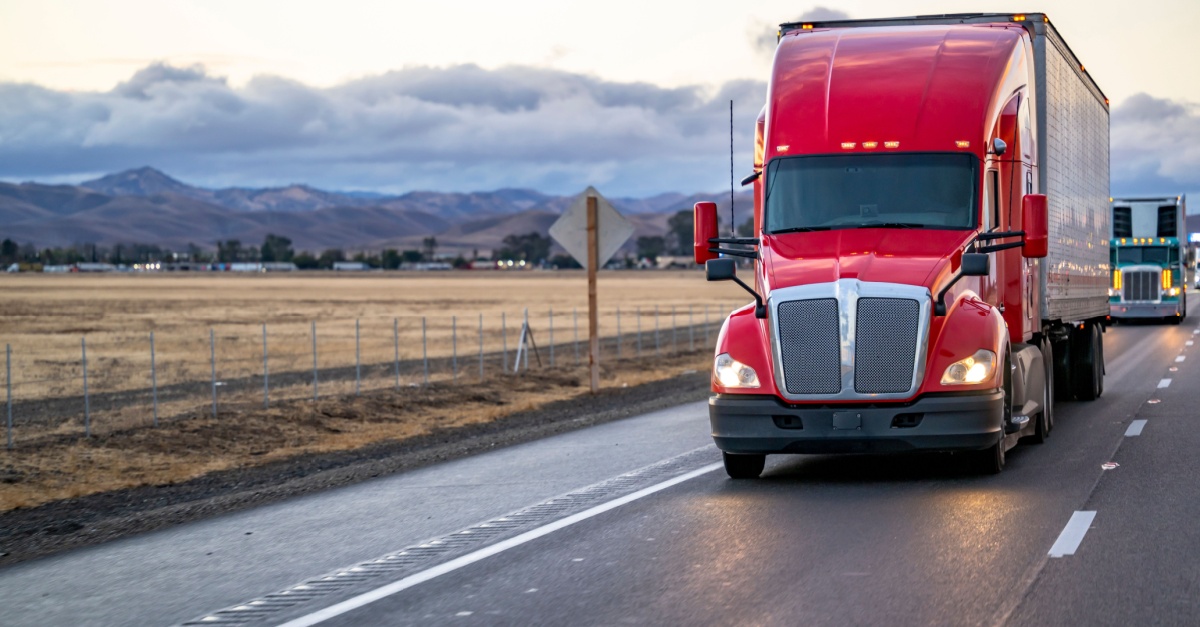
Despite the innovation in logistics and transportation processes, long-haul inland transportation is still a headache. Unfortunately, shippers are paying the price, constantly struggling with late deliveries, high costs, damaged goods, and unpredictable delays.
2999 East Pacific Commerce Drive Rancho Dominguez, California 90221
Oakland, CA


