
Consider this: Your container cleared customs two hours ago. It left the port’s terminal. But then, silence. No updates on location or estimated arrival time. It’s just your team, the drayage partner, and the warehouse all waiting on the other end of a long list of unanswered calls. Unfortunately, that is what many shippers that move goods through the ports of Long Beach and Los Angeles have to deal with.
The container is between the port gate and its final destination, but “somewhere” isn’t a place and doesn’t help the logistics process. Fortunately, real-time visibility fills in that gap. With GPS tracking, geofencing, rolling ETAs, and live status updates, shippers can really control what happens between port pickup and door delivery. These tools eliminate guesswork to plan appropriately for drayage, transloading, and inland transportation.
This article offers a practical breakdown of how GPS tracking, geofencing, rolling ETAs, and live status updates reduce uncertainty, improve planning, and prevent costly delays across drayage, transloading, and inland transportation.
GPS tracking on drayage chassis and containers changes the game by giving you constant, automated location data that doesn’t require a dispatcher picking up the phone. But raw GPS coordinates don’t tell the whole story. That is why geofencing is also necessary. It adds a layer of intelligence to the GPS data.
A geofence is a line that marks the boundary of a specific area, such as a port terminal, a transloading facility, or a warehouse yard. When a truck crosses that line, the system sends out an automatic alert. No one has to call or look at a screen. The notice just happens. That means, for example, that when a drayage truck enters the geofenced area of a receiving warehouse, the system can automatically record the truck’s arrival, assign dock doors, and notify the receiving crew.
Facilities that use automated geofence check-in say their average dwell time dropped 15 to 25 points. That means fewer trucks sitting around in the yard, fewer backups at the dock, and more loads moving each shift. For shippers that have to move several containers around the San Pedro Bay port complex, automation like that could significantly reduce coordination time.
A static ETA, which is generated when a driver picks up a container, starts to lose accuracy right away. And that is because situations change. For instance, the 710 may get filled up, the terminal appointment may be pushed back, or the driver may have to stop because they have reached the maximum number of hours they can work. Relying on that first ETA will often be a waste of time.
Rolling ETAs are different. They keep recalculating based on real-time traffic data, port congestion levels, driver availability, and route changes as they happen. That way, the shipper gets an arrival window that keeps changing until the truck actually shows up. And this is very important when it impacts downstream planning. For instance, a warehouse that knows a container will arrive at 2:15 p.m. instead of the original 11 a.m. can move workers around, change dock assignments, and reschedule outbound loads, rather than paying a crew to stand idle.
At handoff points, visibility goes away. For example, the drayage carrier knows when the container left the port, but the transloading facility might not find out until the truck gets there. The inland carrier may not know the transload is complete until they receive an email. Every gap lets problems slip through the cracks and increases the cost of the operation.
Live status updates fix this by sending alerts at every milestone, from port gate-out confirmation to arrival at the transload facility, transload completion, inland dispatch, or final delivery. Every stakeholder involved sees the same information at the same time because each update is processed independently through the system.
Companies that use geofence-based proactive notifications report up to a 60% reduction in status calls. This lets operations teams address real problems rather than answering routine check-in calls all day. When you have to move dozens of containers through ports in Southern California every week, that’s a lot of time saved.
Real-time visibility is about giving your team the information they need to make faster, better decisions. When you know exactly where a container is, when it will arrive, and what’s going on at every handoff, you stop reacting to problems and start stopping them.
That level of transparency at Golden State Logistics is what defines our drayage, transloading, and inland transport operations from the port to the door. Contact us today to see how we leverage real-time visibility to streamline your logistics operations.
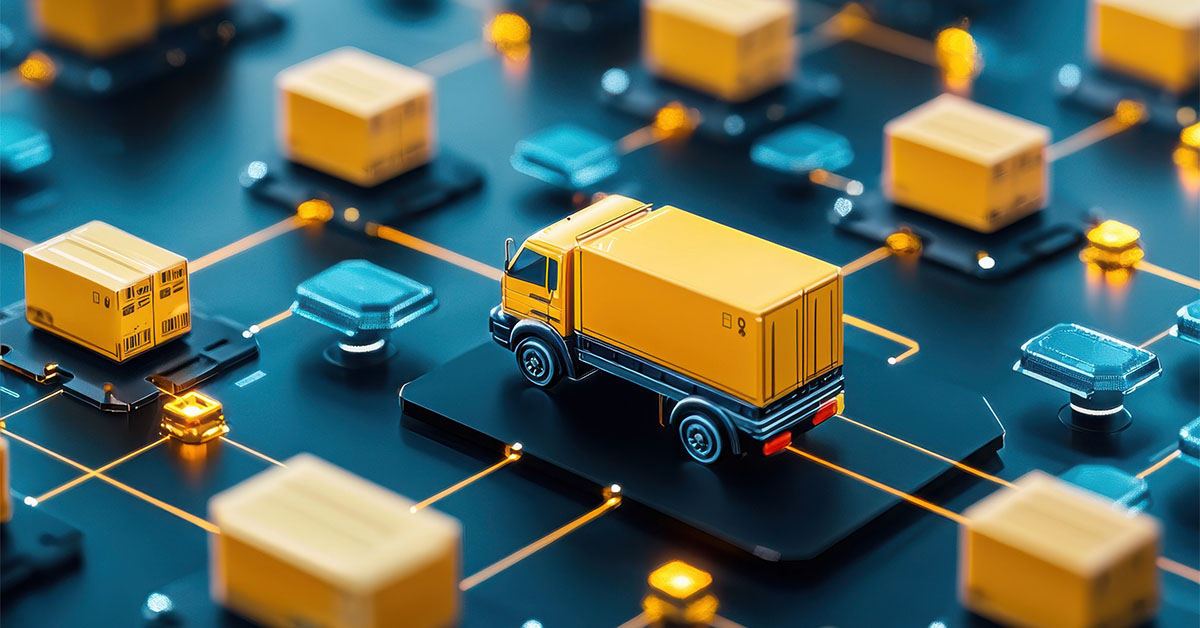
For shippers moving cargo through the Long Beach and Los Angeles port complex, the real question is which applications are making a meaningful difference at the operational level.

A partnership with the right drayage service provider can streamline the entire planning and fulfillment process, enhancing the flexibility and agility to manage challenging situations and get results even in crunch times.
2999 East Pacific Commerce Drive Rancho Dominguez, California 90221
Oakland, CA


