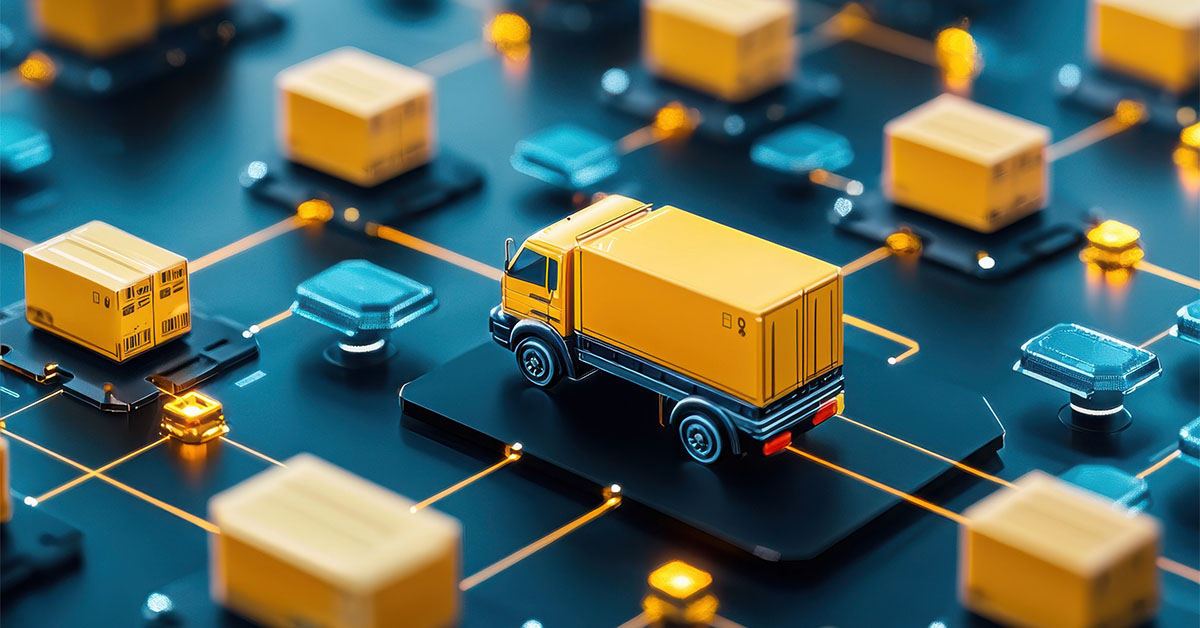
The AI conversation has gotten loud. And if you’re a shipper with your hands full moving containers through ports and DCs, you might be forgiven for tuning it out. But AI has crept into almost every corner of short-haul drayage logistics. Although some of it is genuinely useful, some of it is marketing language dressed up as technology.
For shippers moving cargo through the Long Beach and Los Angeles port complex, the real question is which applications are making a meaningful difference at the operational level. This article explores the real impact and limitations of AI in short-haul logistics across Southern California.
AI applications in short-haul logistics that are making an impact across Southern California are based on data that exists in most TMS and terminal systems today.
Here are four that are really moving the needle:
Consider a drayage dispatcher managing morning gate windows at the Long Beach and LA terminals. That person is juggling 30 or more moves at a time, with several questions lingering around: Which driver is closest to which terminal? Who’s most likely to be punctual? Which container has the tightest free time?
Before AI-assisted tools, this was a whiteboard job, or at best a spreadsheet with lots of conditional formatting. Today, dispatch optimization software pulls in real-time gate conditions, appointment availability, GPS positions, and container priority data to recommend the next best move for each tractor.
AI tools now track terminal-level appointment performance over time, marking windows more likely to lead to a smooth gate turn versus a turn-away. This is important because, on average, freight is stuck at the yard longer than ever. For instance, cargo destined for trucks at San Pedro Bay was sitting an average of 2.55 days at marine terminals in February 2026. So, every hour a drayage carrier can shave off that number through improved appointment timing is an hour not subject to per diem risk.
AI algorithms match inbound container pulls with outbound empty returns on the same circuit, eliminating empty miles without requiring a dispatcher to mentally map every available move. For a drayage company that moves more than 50 loads a day out of Southern California, the savings add up quickly: better fuel efficiency, fewer driver hours wasted driving empty, and fewer trucks clogging terminal entrances with nothing to show for it.
AI models trained on historical terminal data can now provide dispatchers with a reasonable forecast. It is not a guarantee, but it is enough to make a smarter call about when to send a truck. Getting that window right on 30 containers a day is the sort of problem that pattern recognition is actually good at.
There are real limits to AI in short-haul drayage logistics, and it’s more important to be honest about those than pretend the technology covers everything. Here are some examples:
AI is good at finding patterns. But it is not great at predicting human one-offs — a labor dispute no one saw coming the night before, or a crane that goes down at 9 a.m. and backs up the terminal even though it was working perfectly at 6 a.m.
Chassis availability fluctuates throughout the day in Southern California, and during high-volume periods, equipment imbalances worsen as chassis pile up inland and ports run short. That kind of disorder — driven by pool agreements, flip operations, and the unpredictable actions of hundreds of individual motor carriers — is too chaotic for AI to predict with useful accuracy much beyond a few hours out.
Much of the operational magic of short-haul drayage logistics exists outside any dataset. This could be about knowing which yard supervisor to call when you have a buried container or having enough credibility with a terminal operator to get a second chance on a missed appointment.
No AI in short-haul drayage logistics can predict when a fee will rise by 6% or when a new emissions rule will dictate which trucks are allowed into a terminal.
Golden State Logistics leverages AI at the operational level of its drayage and inland transport work. Dispatch optimization schedules the fleet’s daily movements through the Long Beach and LA port complex to match drivers with terminal appointments based on real-time conditions. Dispatchers can use appointment timing models to avoid times with high turn-away rates, and load-pairing algorithms reduce empty miles on drayage circuits and inland transport runs. That combination is why AI in short-haul drayage logistics is worth paying attention to. Contact us to see how we can help.
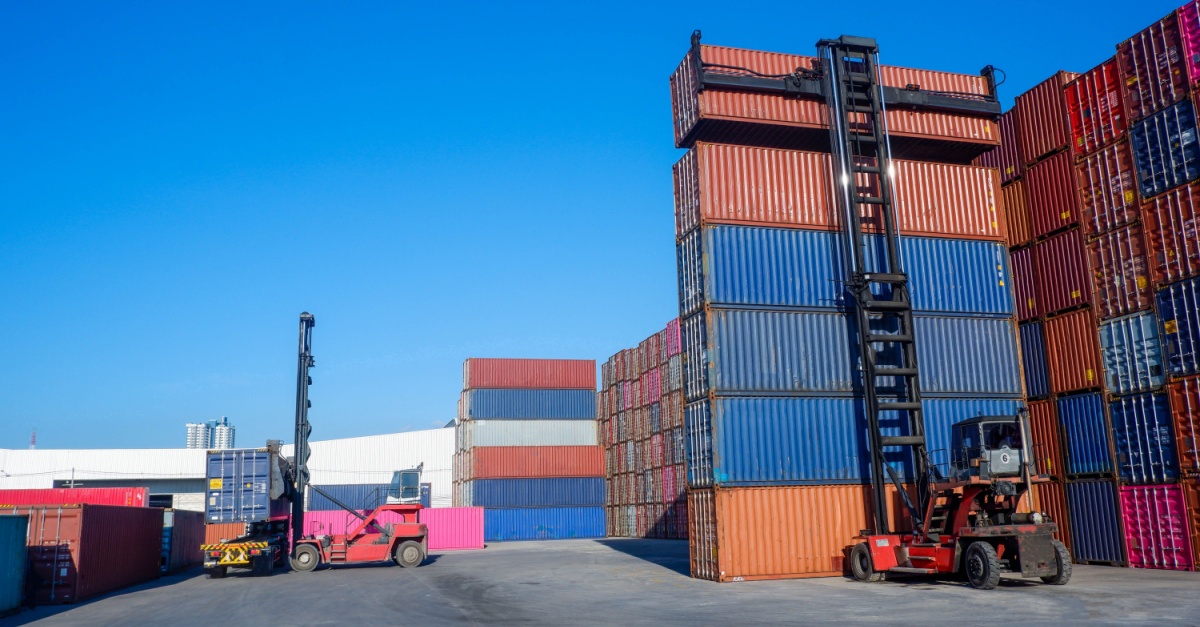
At Golden State Logistics, we know the challenges shippers face in Los Angeles and Long Beach. Our expert teams and resources allow you to design services matching your cargo needs.
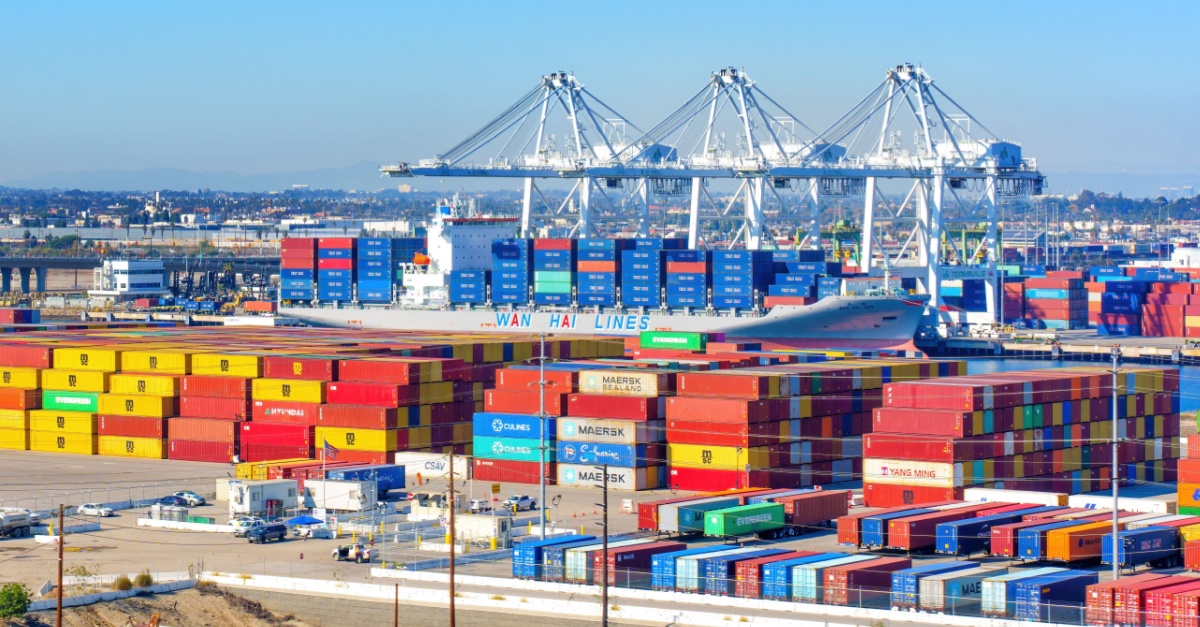
To ensure a seamless freight operation on SoCal roads, it’s essential to manage transloading and inland transportation as a unified process — and it’s preferable to do so with a single logistics provider.
2999 East Pacific Commerce Drive Rancho Dominguez, California 90221
Oakland, CA


