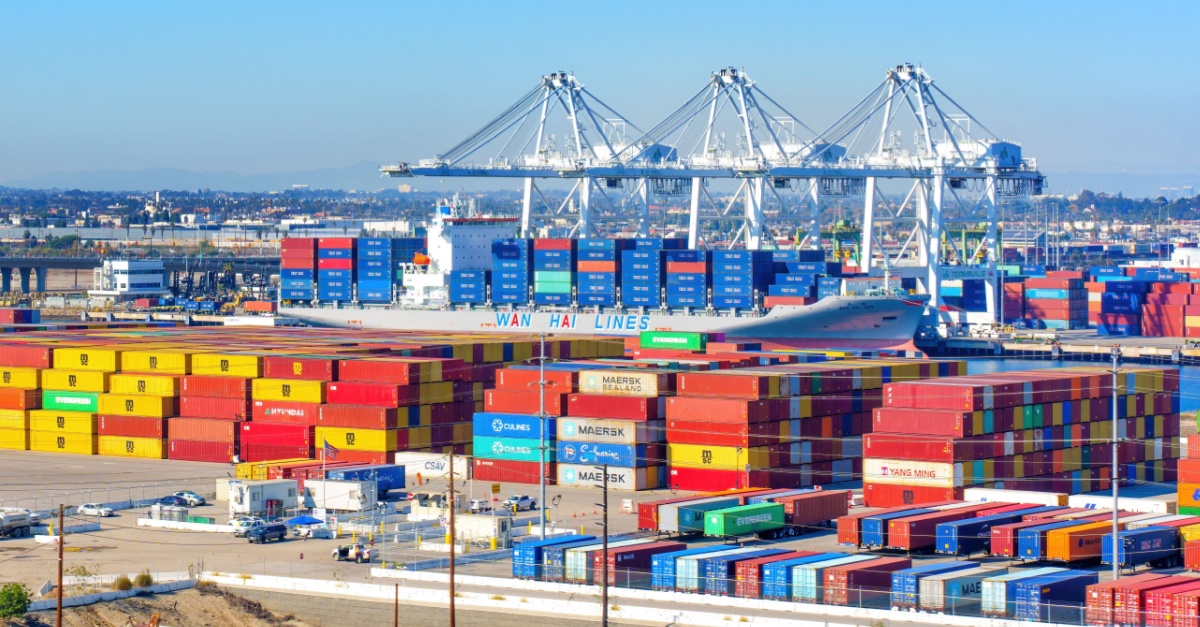
The ports of Los Angeles and Long Beach handle hundreds of thousands of containers every month, with both moving almost 15 million TEUs through the first three quarters of 2025. Unfortunately, handling such large volumes makes both ports prone to congestion, which can keep freight stalled for days.
To ensure a seamless freight operation on SoCal roads, it’s essential to manage transloading and inland transportation as a unified process — and it’s preferable to do so with a single logistics provider. That way there is no lack of visibility bogging down communication, handoff, and the freight. In this article, we examine the combination of transloading and inland transportation, discussing why it is essential for effective shipping operations.
In Southern California, the freight corridors are congested. Ships berth every day, containers get stacked every minute, and trucks line up in never-ending queues. If your operations treat each leg of the process, whether it is the port, yard, warehouse, or trucking, as separate silos, delays multiply and costs balloon. Cargo flows without disruptions when each leg supports the next.
Here are the key forces that make combining transloading and inland transportation so important:
Leveraging a single logistics provider to orchestrate both legs of the freight shipment gives you more control over the process. But that’s not all; you also gain speed and cost predictability. The points below illustrate how this integrated approach enhances freight flow across Southern California.
When containers arrive at the port and are quickly moved into a transload facility, you have much more control over the next leg of the process, whether it is by truck or rail. You can arrange for the shipment to depart almost immediately, ensuring there are no long waits, fewer idle hours, and faster turnaround.
Eliminating redundant moves saves you from unnecessary shipping costs, such as chassis rentals, yard storage, and double handling. When your inland dispatch is aligned with your transloading process, you are sure to eliminate fewer empty miles and wasted driver time.
A singular logistics stream that captures everything in real time, from transloading to the trucking process, provides a single line of sight, rather than multiple fragmented systems. Better data means better decision-making and less guesswork.
The more complex your freight, the greater the benefits of combining your transloading and inland transportation. For instance, through that combination, mixed-SKU containers can be sorted, relabeled, and split across multiple inland trailers inside the transloading facility, then loaded onto regional trucks bound for different hubs. During peak season, a retailer serving Phoenix, Las Vegas, and Inland Empire DCs can decide at the last minute how much stock to send to each site without rehandling cargo, which supports faster final-mile delivery throughout SoCal.
Each handoff in logistics carries the risk of delays, damages, or misrouting. So naturally, fewer handoffs from integrated transloading and inland transport will significantly reduce that risk, resulting in fewer breakdowns in the chain.
Some freight profiles gain more from a combined plan than others. The situations below show when a combined view of transload and inland movement benefits shippers operating out of the Long Beach and LA routes.
Shippers in Southern California no longer have the luxury of treating drayage, transloading, and inland transport as separate silos, especially since they can move from reacting to container queues and truck delays to staying ahead of them. Golden State Logistics brings this model together. We coordinate the transloading process, plan the truck dispatch, and manage the SoCal freight delivery from port to warehouse to final mile.
Our advantage isn’t just theory, it’s an operational reality. If you want faster flow, fewer disruptions, and more control, now is the time to act. Connect with us today.
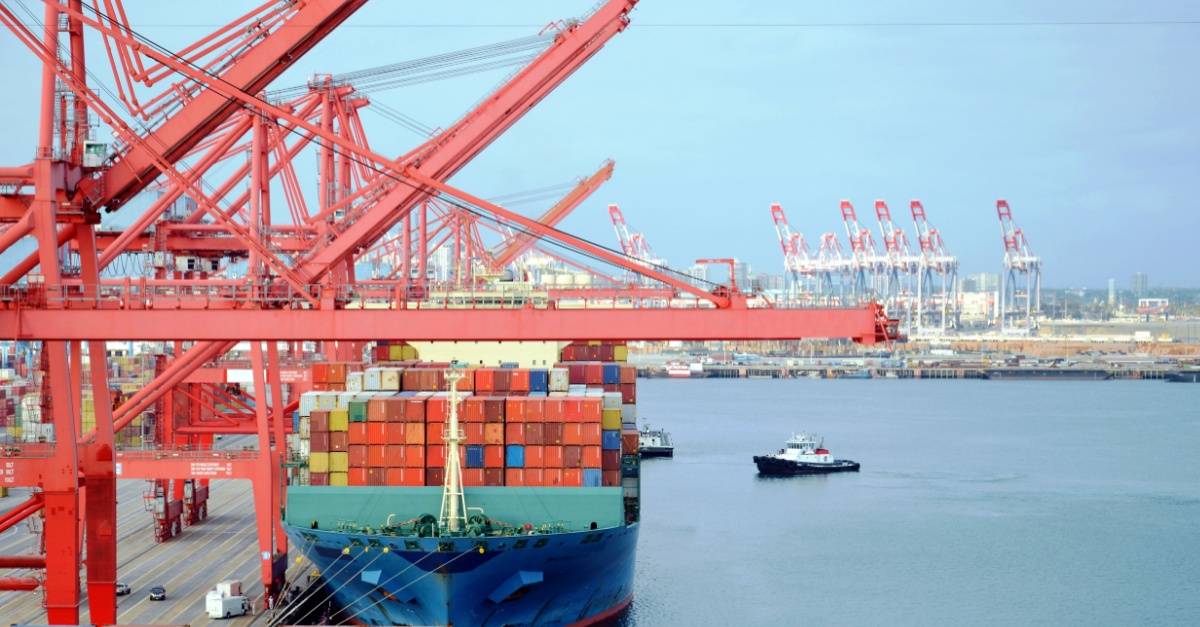
This article explains how shippers in Southern California can leverage cloud-based data management to streamline logistics, enhance visibility, and expedite cargo movement from port to warehouse.
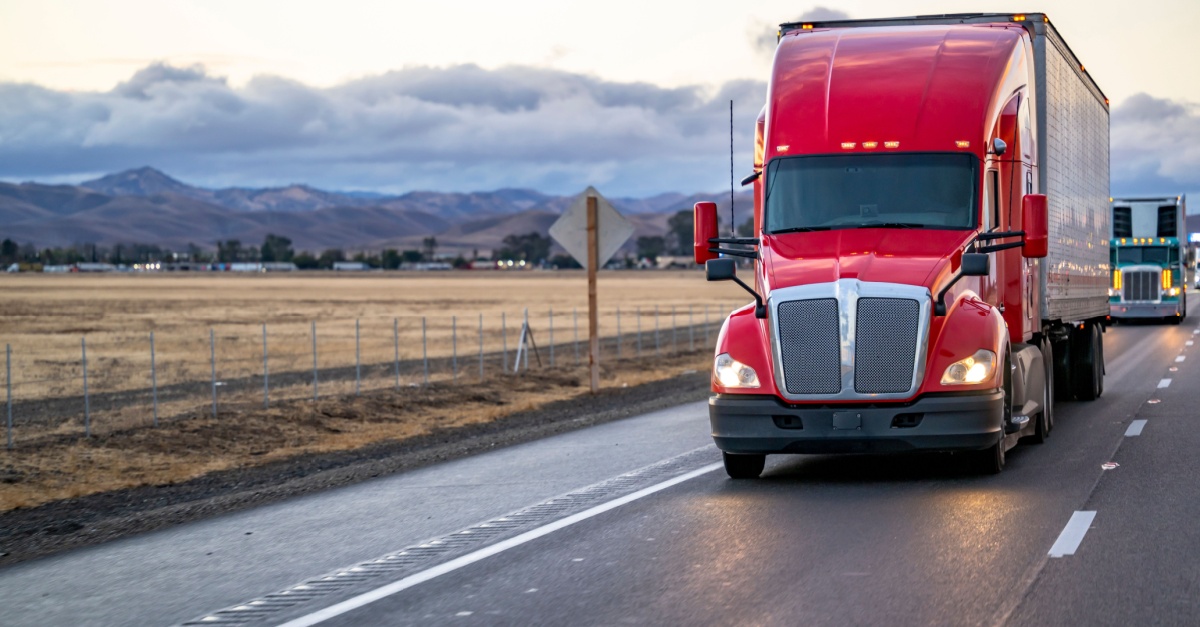
We combine drayage and inland shipping into a single system and operate transloading facilities near Long Beach and Los Angeles, which enables us to ensure fast turnarounds with ease.
2999 East Pacific Commerce Drive Rancho Dominguez, California 90221
Oakland, CA


