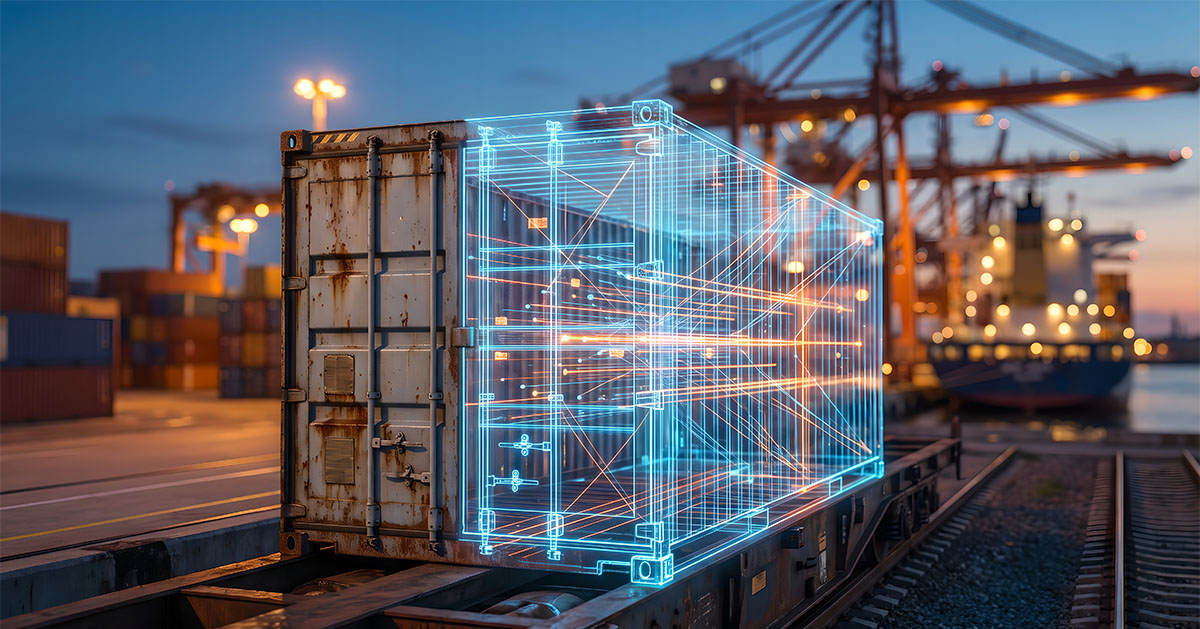
The cameras, sensors, and automated cranes being set up across San Pedro Bay may appear to simply be part of the terminal operators’ capital projects. But shippers are benefiting too, as the technology that is remaking port operations is changing how quickly a box clears the gate and how accurately it is located in the yard.
Terminals in Los Angeles and Long Beach have optical character recognition arrays that photograph and read container numbers, chassis IDs, and seal conditions as a truck passes through. No clipboard required. What used to be a manual check-in with the odd transposed digit now takes seconds, which is a bigger deal than it sounds.
Gate timestamps feed the clocks that dictate dwell time, demurrage, and detention. So a clean automated read means the paper trail behind a container is accurate from the get-go. Long Beach is also rolling out a Universal Trucking Appointment System across all six of its marine terminals, allowing carriers to schedule pickups and drop-offs at one location. Cleaner gate data is quietly emerging as the backbone of modern port operations.
Today, box position and chassis availability are tracked in near real time by IoT sensors, RFID tags, and camera systems. Locating a container in minutes, rather than sending a hostler three rows away to search, reduces wasted moves and deadhead trips within the yard. In today’s port operations, half the battle is knowing where each box is. The accuracy gains seem to be real.
However, it appears that this technology works best where a terminal already maintains clean records. If you bolt sensors onto a messy operation, you often get faster access to bad data rather than a solution. Although sensors count well, they cannot fix a broken process for you.
“Smart yard” is a vague term that helps to separate the marketing from the mechanics. At the serious end of the spectrum are automated stacking cranes, driverless carriers zipping boxes around the yard, and digital twins that simulate the whole operation in software. Much of this is now operated by the Long Beach Container Terminal, the nation’s first fully automated container terminal.
The history of automation at U.S. ports is actually mixed. It is capital intensive, and there are real questions about ILWU labor. The payoff is no sure thing either. So in practice, “smart” port operations often mean better data, not fewer people. The yards that get the most out of it use sensors and software as decision aids, rather than as substitutes for the crews and dispatchers who still make the calls. That difference is likely to be the deciding factor in which terminals really get ahead.
The Port of Long Beach moved 9.9 million TEUs in 2025, and the Port of Los Angeles finished with more than 10 million TEUs. Both broke records without the gridlock that choked San Pedro Bay during the pandemic. At that scale, small error rates are no longer rounding noise. A 1% misreading across millions of boxes amounts to tens of thousands of containers in the wrong place. Automation and IoT earn their keep here first as accuracy tools and then as labor savers. Handle that cargo volume cleanly, and port operations start to feel less like firefighting.
Golden State Logistics is an integrated carrier conducting drayage, transloading, and inland transport as one connected operation, so the data coming off the smarter gates and yards actually goes somewhere. When a terminal provides real-time appointment and chassis information, GSL’s dispatch can respond accordingly instead of guessing. We can match loads and pickup timing to what the yard is doing at that hour.
Transloading into domestic 53-foot trailers keeps inland moves full rather than carrying port-sized boxes half-empty across the country. And you do not have to build your own tech stack. As automation spreads across San Pedro Bay, that kind of integration is likely to separate the cargo that flows from the cargo that waits. Contact us today to get started.
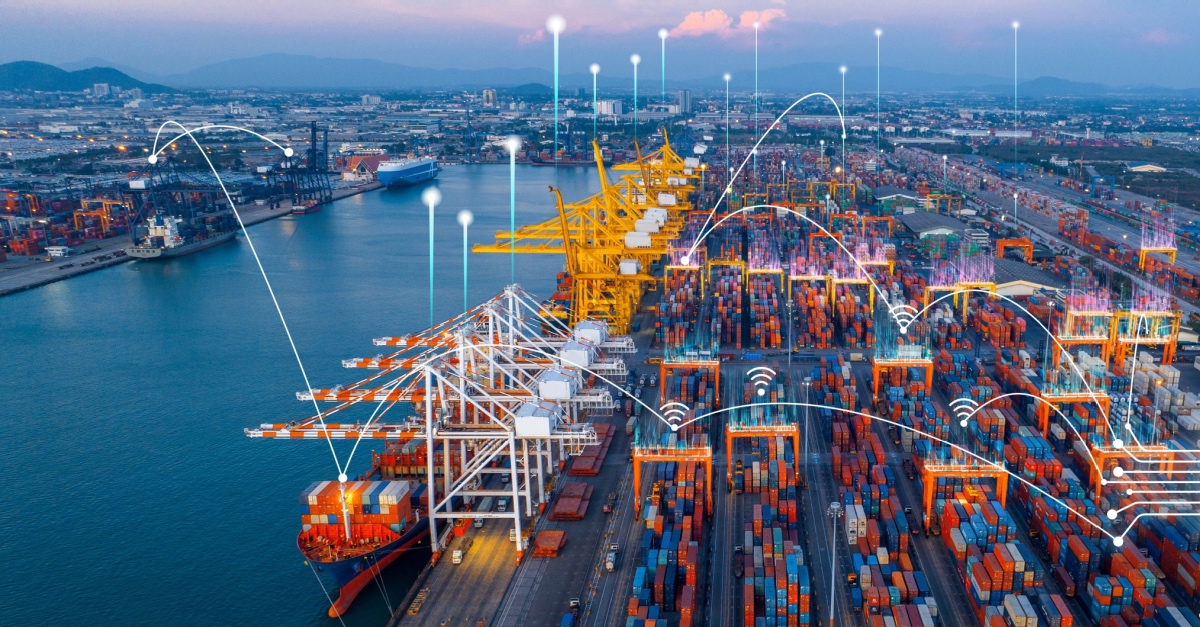
Poor control over the port drayage operations can lead to delays, disruptions, and downtimes in the supply chain. The financial implications alone can be devastating for any business. That is why technology has become so integral to port drayage logistics.
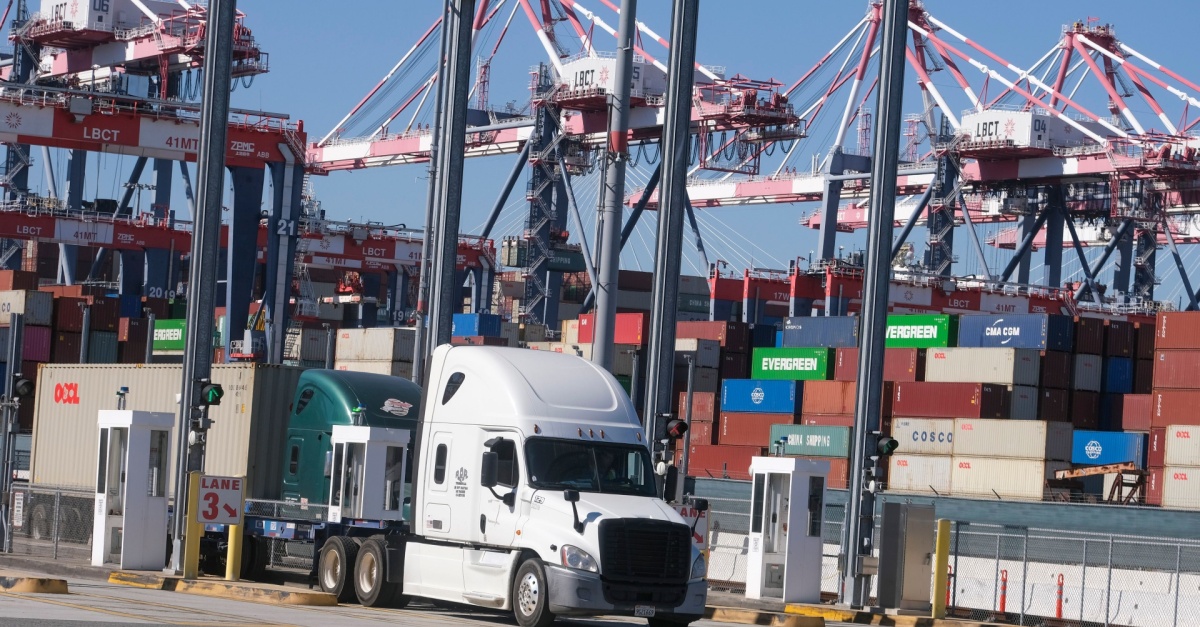
It is common to see cargo moving in and out of the ports of Los Angeles and Long Beach on roads that are never empty. The scale and tempo of the operations here are relentless.
2999 East Pacific Commerce Drive Rancho Dominguez, California 90221
Oakland, CA


