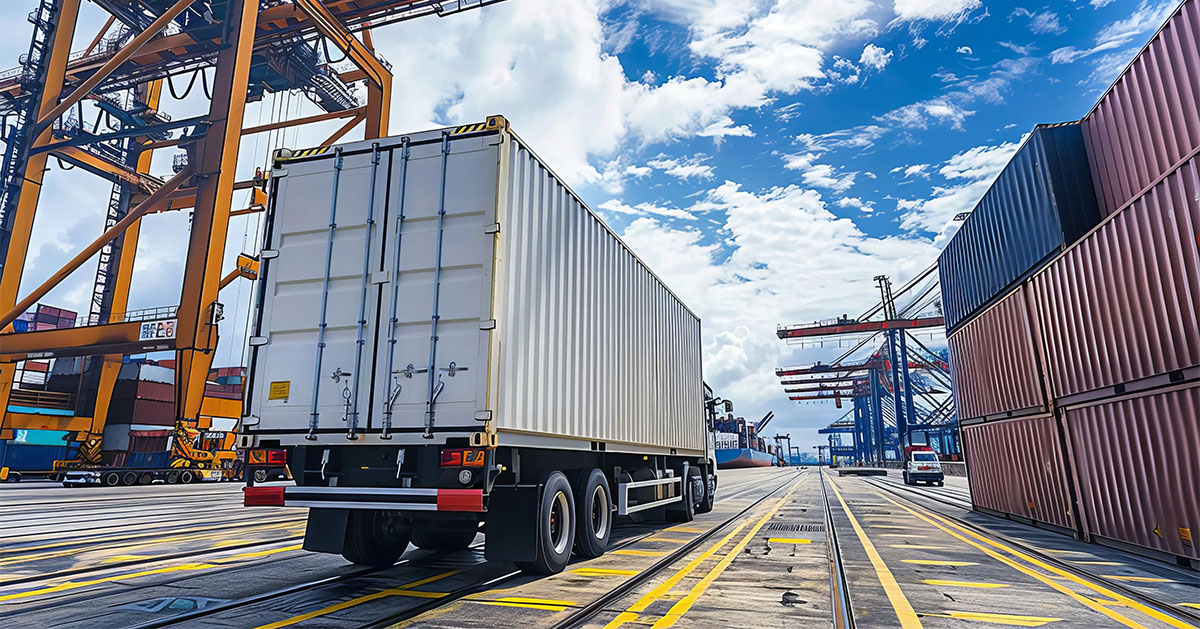
On paper, drayage looks easy enough. Pick up a container at the port and get it to a transloading facility or a warehouse. What could go wrong, right? But in Southern California, it is not so straightforward. The ports of Los Angeles and Long Beach handle about 31% of all U.S. ocean trade. If you partner with the wrong drayage partner in such an environment, it can lead to missed terminal appointments, high demurrage and detention fees, and unnecessary per diem fees due to poor planning.
But with the right drayage partner, your containers will keep moving, your costs will be low, and your operations will be on schedule. In this article, we explain the five operational traits that separate a high-performance drayage from one that just owns a few trucks near the port.
The first thing most shippers want to know is the size of the fleet. However, the better question is whether that fleet can handle your volume during the busiest time of year without having to hire subcarriers you don’t know. A high-performance drayage partner has a fleet that includes day cabs for short turns, yard tractors for container staging, and sufficient capacity to move both standard and overweight containers.
Managing the chassis is a big part of this. The supply of chassis in Southern California has been a recurring bottleneck for years. For instance, when there is an import surge, the average dwell time of a chassis can go as high as seven days, creating a compounding shortage across the port complex. But if you partner with a drayage provider like Golden State Logistics, which owns its own chassis pool, you won’t have to worry about chassis shortages or compete with other shippers for the same limited equipment.
In California, not every drayage fleet is permitted to move a container weighing more than 44,000 pounds. Those loads need tri-axle chassis, three-axle or four-axle tractors, and permits for the LA/Long Beach overweight corridor. If your partner can’t handle those moves in-house, you’re adding a second carrier, a second invoice, and a second point of failure.
Find out how well the fleet did during the last busy season. Could they scale capacity by 30-50% without service issues? The answer provides more information than the number of trucks listed on their website.
The location, size, and equipment of your drayage partner’s yard directly affect how quickly your freight moves through Southern California. Take, for example, a yard located 5 to 15 miles from the terminals. The shorter distance means shorter dray turns, faster chassis returns, and lower fuel costs per move. Meanwhile, for a yard 40 miles inland, you can expect at least an hour of drive time in both directions. That extra hour could mean the difference between getting a chassis back on time or paying for another day of per diem.
Container staging capability is another important factor. There may be days when your warehouse isn’t ready to receive shipments, or customs may place a hold on your cargo. Your drayage partner’s yard should be able to keep those containers safe until the next move is ready. This way, you are not stuck paying demurrage and per diem because your container is stuck on a chassis longer than anticipated.
Some shipments require grounded container handling. But that takes a lot of yard space and heavy equipment, such as top picks, side picks, or reach stackers. If the drayage yard cannot do this, you will be limited in your ability to handle holds and delays.
Pulling containers early from the terminal and staging them at the yard before the delivery appointment can help you avoid demurrage during congestion. But that only works if the yard has enough space and the right tools to handle the traffic. A drayage partner with a yard near the port, well-equipped and well-located, gives you options a partner without one can’t.
In Southern California, port drayage is not the same as driving a regional route or hauling dry freight on the highway. The person driving through a terminal gate, whether at Pier T, TraPac, or Fenix Marine, needs to know exactly how each terminal operates. Every terminal has different rules for gate procedures, chassis flips, trouble ticket processes, appointments, and so on. A driver who knows the routine can pick up a container 30 minutes to an hour faster than a driver learning on the job.
Drivers who do drayage in the LA/Long Beach area have very short windows. A driver might have to pick up a container at 7 a.m., drop it off at a transloading facility by 10 a.m., and then return the chassis before the clock runs out. Experienced drivers know how to plan their moves so they don’t have to wait too long and stay compliant without wasting hours sitting in a terminal line.
Good drayage drivers keep dispatch up to date without being asked. They call when there is a problem with the chassis, a delay at the terminal, or a receiver who isn’t ready. That real-time information feeds directly into your visibility system, which brings us to the next point.
For drayage operations in Southern California, good communication means sending automated updates on container status (picked up, in transit, delivered, empty returned), notifications of estimated arrival times to receivers, alerts for exceptions when something goes wrong, and proof-of-delivery paperwork the same day — all of which you can expect from a high-performance drayage partner.
The people using the technology also matter. For example, with a dashboard, you can tell your shipment is behind schedule. But a good dispatcher will call the receiver, change the appointment, work with the terminal, and keep the freight on track before your team even knows there is a problem. That human response layer, along with real-time data from GPS and ELD systems, is what makes a tech-equipped carrier different from one that really uses the technology.
Your supply chain will flow or stop depending on how well your drayage partner connects to the next step in the process. The ideal scenario is to have the drayage provider and the transloading facility be the same company or at least very close partners. That way, there is little to no gap between “container delivered” and “container unloaded” because control is maintained between pickup and transload.
There is also no confusion about the appointment times. So, when the container arrives, it is emptied, and the items are sorted onto domestic trailers the same day. That speed keeps the chassis moving and the free time from running out.
The same thing happens with the inland transportation handoff. After transloading, freight needs to move. A drayage partner that also handles inland transportation, or works with a dedicated inland carrier, can handle the entire process, from pickup at the port to delivery to the final destination. When you are dealing with one partner for all of these, there are fewer places for information to get lost.
And then there’s the step that most shippers forget about until they get the bill: returning empty containers. Your drayage partner should have a clear plan for returning empty containers during the carrier’s free time. That means you need to know which terminals take empty containers on which days, during which shifts, and with which steamship line rules.
Every time drayage, transloading, and inland transport are not connected, there is a risk of delay. And in Southern California, those delays cost real money in the form of demurrage fees, per diem charges, missed delivery windows, and extra warehouse hours. But the fewer gaps in the chain, the less you pay for things that should not have gone wrong in the first place.
Shippers that choose a drayage partner based solely on price often end up paying more in fees, delays, and missed appointments than they save on the rate. Golden State Logistics offers drayage, transloading, and inland transportation services near the San Pedro Bay port complex. We help shippers who move freight through the ports of LA and Long Beach every day. If you need a drayage partner who can handle the day-to-day stress of running Southern California ports, contact us today to get started.
%20Transportation.jpg)
A slight disruption in one process or a mistake from a stakeholder can have a massive ripple effect downstream of the supply chain. That is why building efficient inland transportation networks is vital for businesses and logistics operators alike.
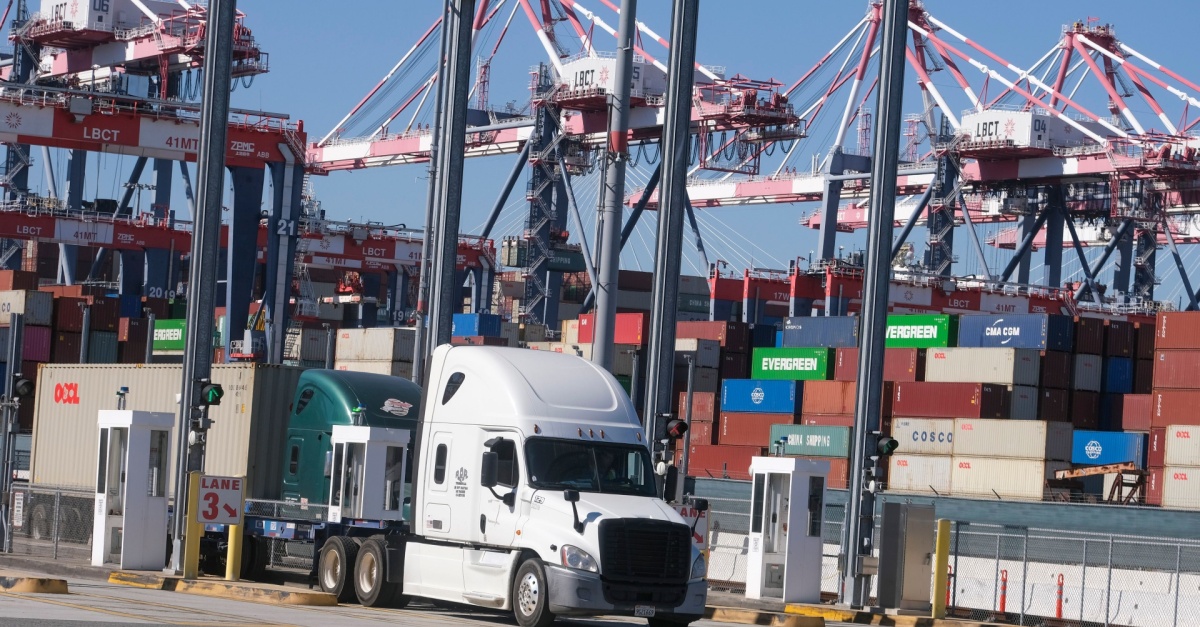
It is common to see cargo moving in and out of the ports of Los Angeles and Long Beach on roads that are never empty. The scale and tempo of the operations here are relentless.
2999 East Pacific Commerce Drive Rancho Dominguez, California 90221
Oakland, CA


